By the Rob Morrison Team
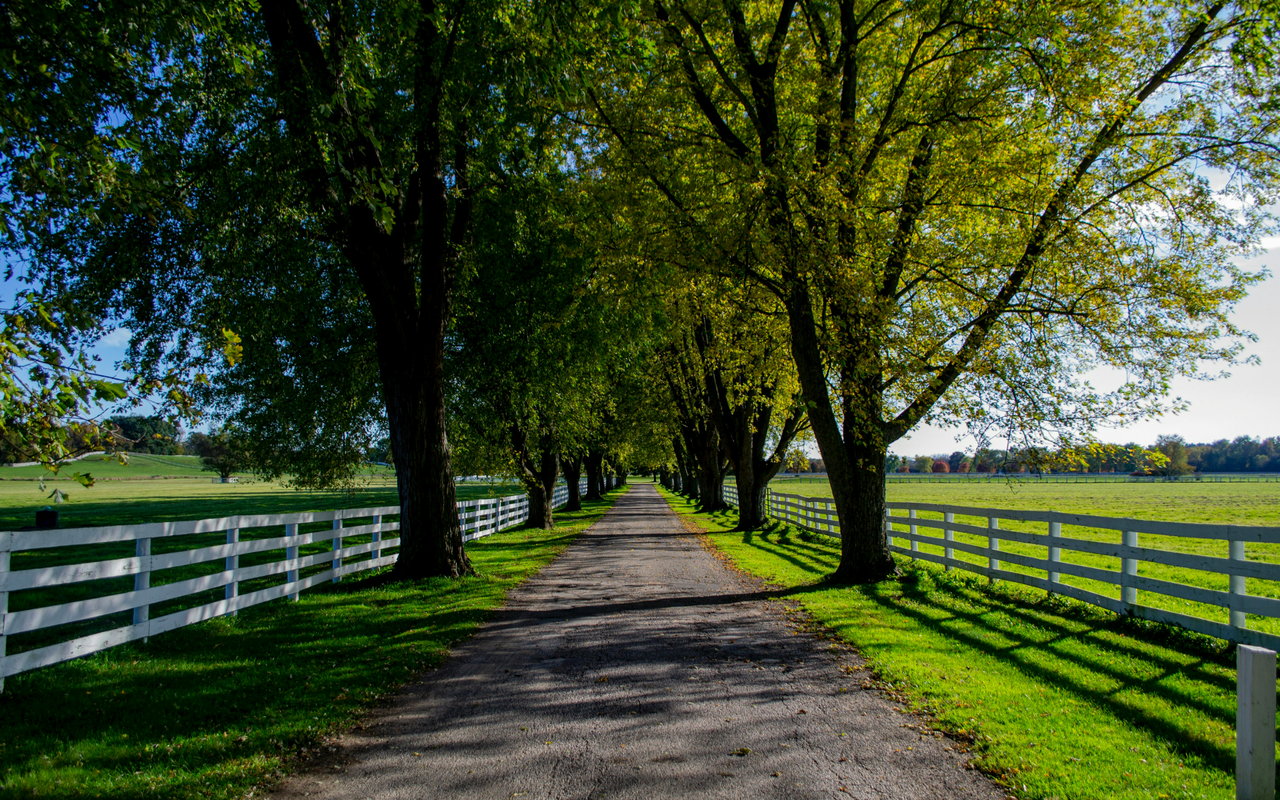
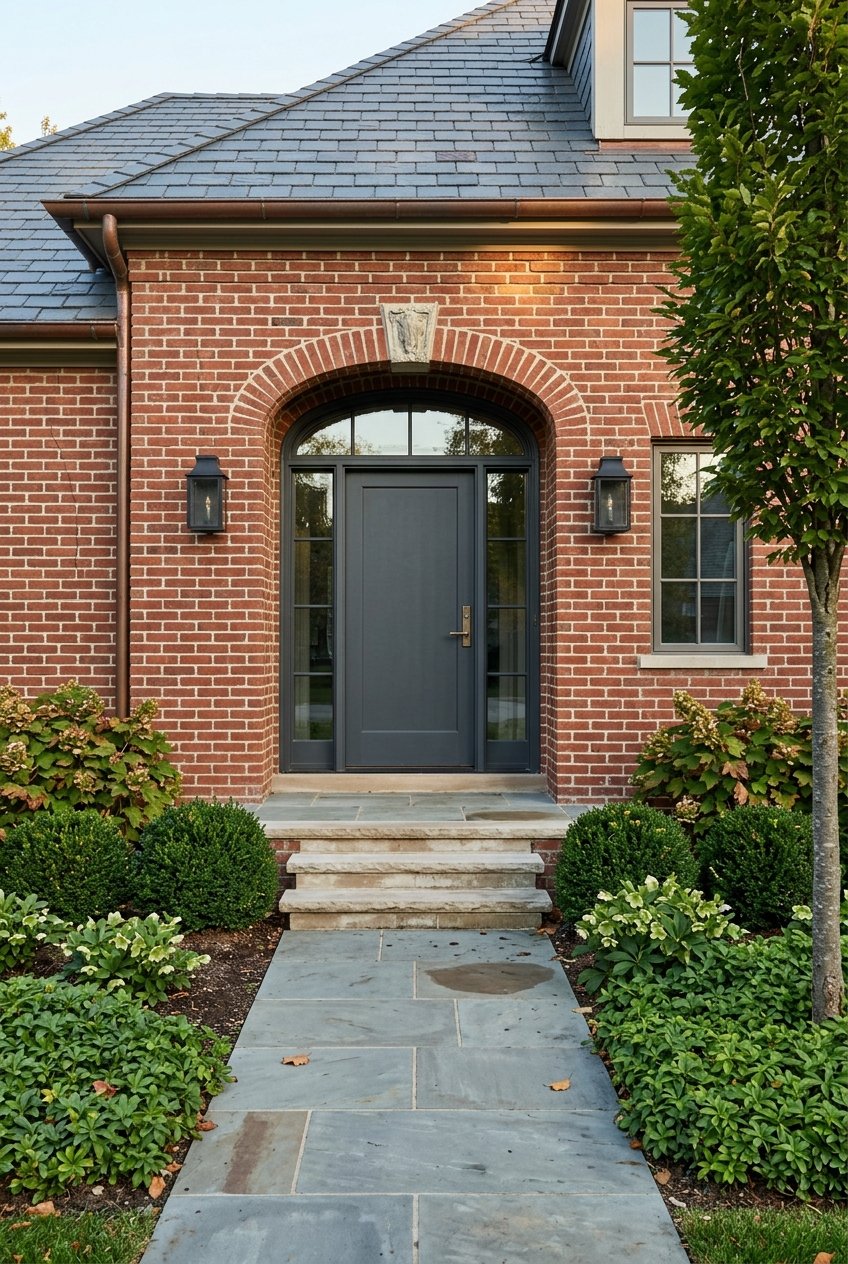
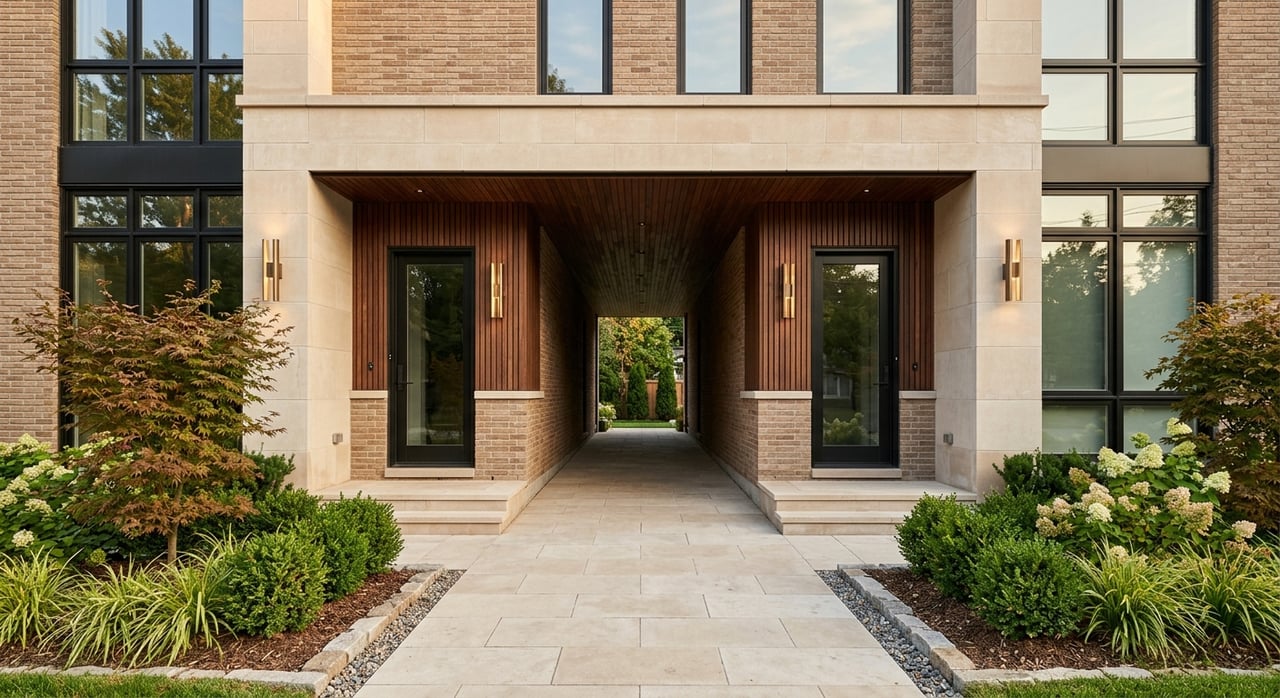
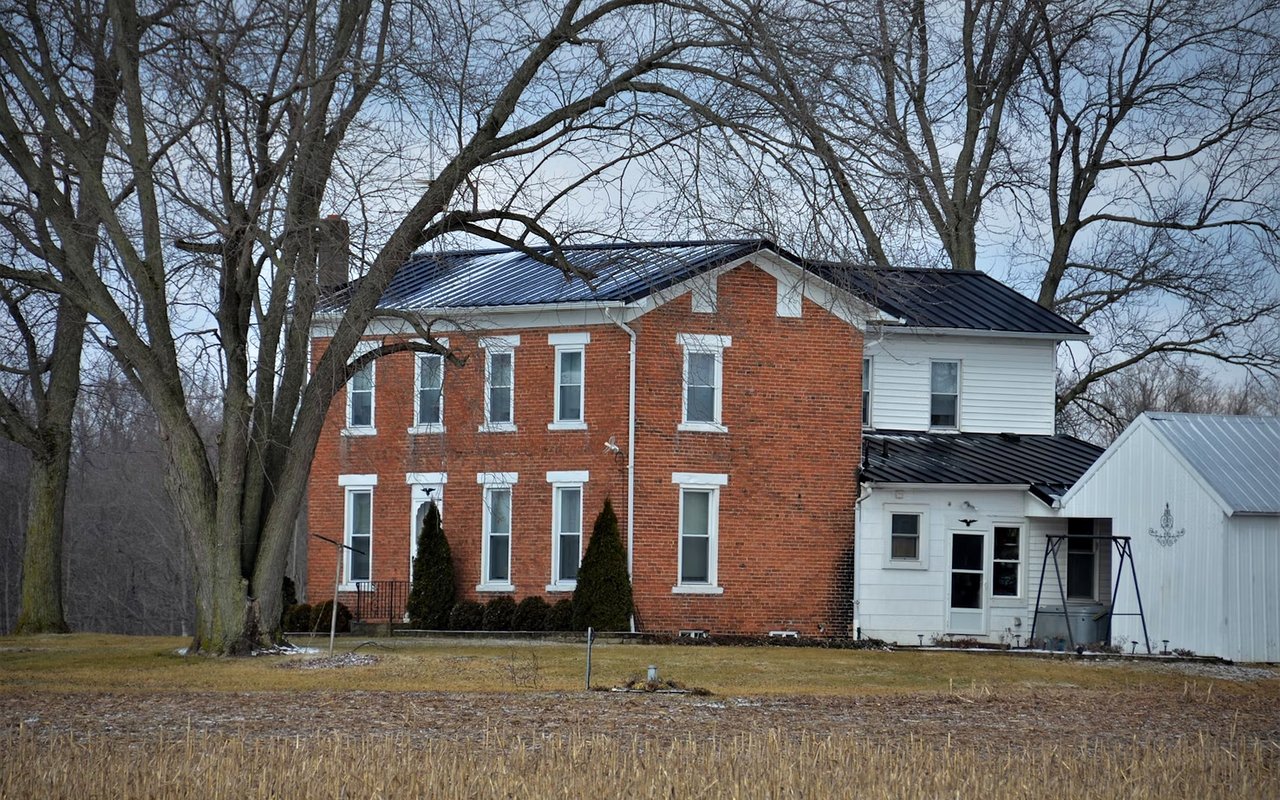
Barrington offers an alluring real estate landscape where the details matter. From the tree-lined streets to the architectural character of the residences themselves, the area has always drawn homeowners who appreciate prestige, proportion, and spaces that feel both polished and lived-in.
That same sensibility carries naturally into the interiors of these properties, where thoughtful design choices can transform a house from merely beautiful into something that genuinely reflects the stunning setting. Whether you've just purchased a home or you've lived here for years and are ready for a refresh, interior design ideas that honor the scale and character of these properties go a long way.
This guide will walk you through the interior design approaches that work best in Barrington’s luxury homes, from how to handle open great rooms to the finishing details that pull a space together.
Key Takeaways
- Barrington’s homes benefit from well-executed design choices that honor traditional architecture while allowing for updated finishes and materials.
- Large rooms require layered lighting, appropriately scaled furniture, and thoughtful traffic flow planning to feel intentional rather than empty.
- Transitional design, which mixes classic and contemporary elements, is one of the most successful approaches in homes with traditional bones.
- Natural materials like stone, hardwood, and linen age beautifully in Barrington's four-season climate and complement the area's wondrous landscape.
- Small but deliberate details, including hardware, trim profiles, and textile choices, have an outsized effect on how finished and refined a space feels.
Working With Traditional Architecture
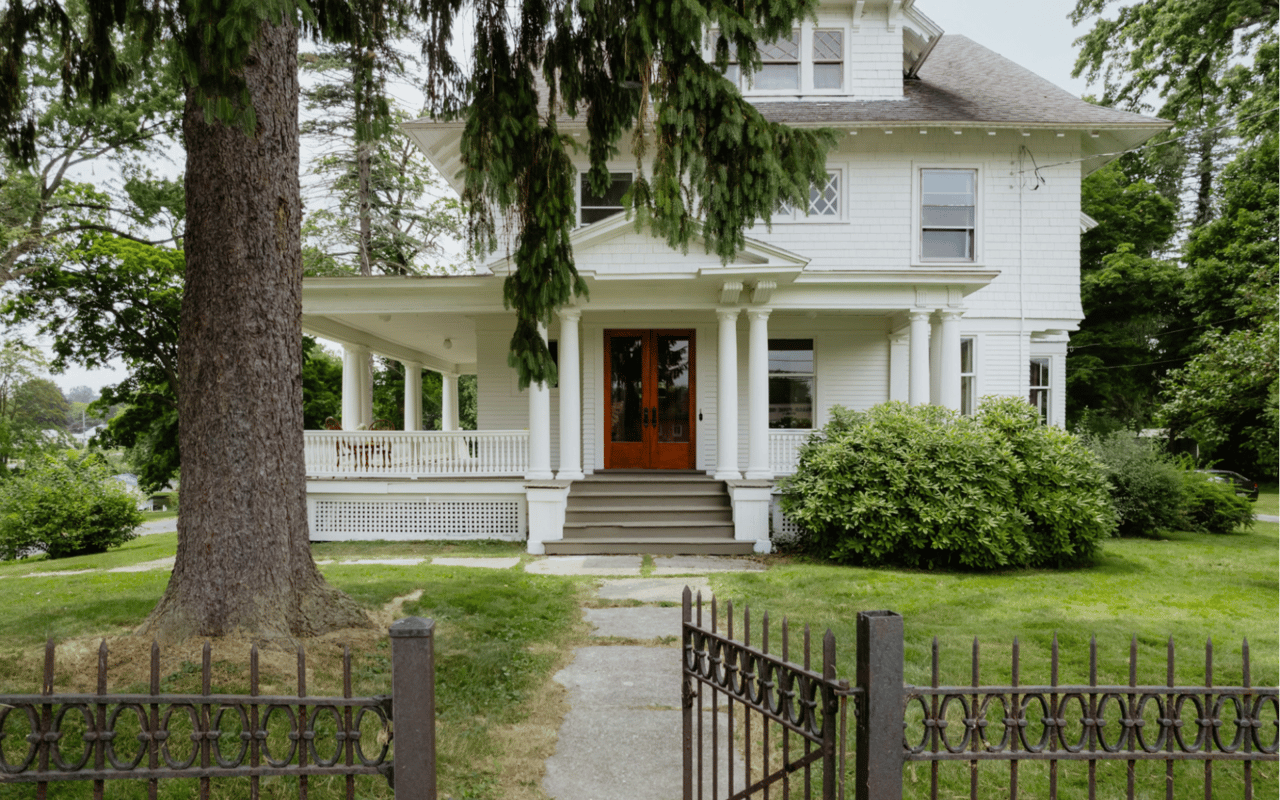
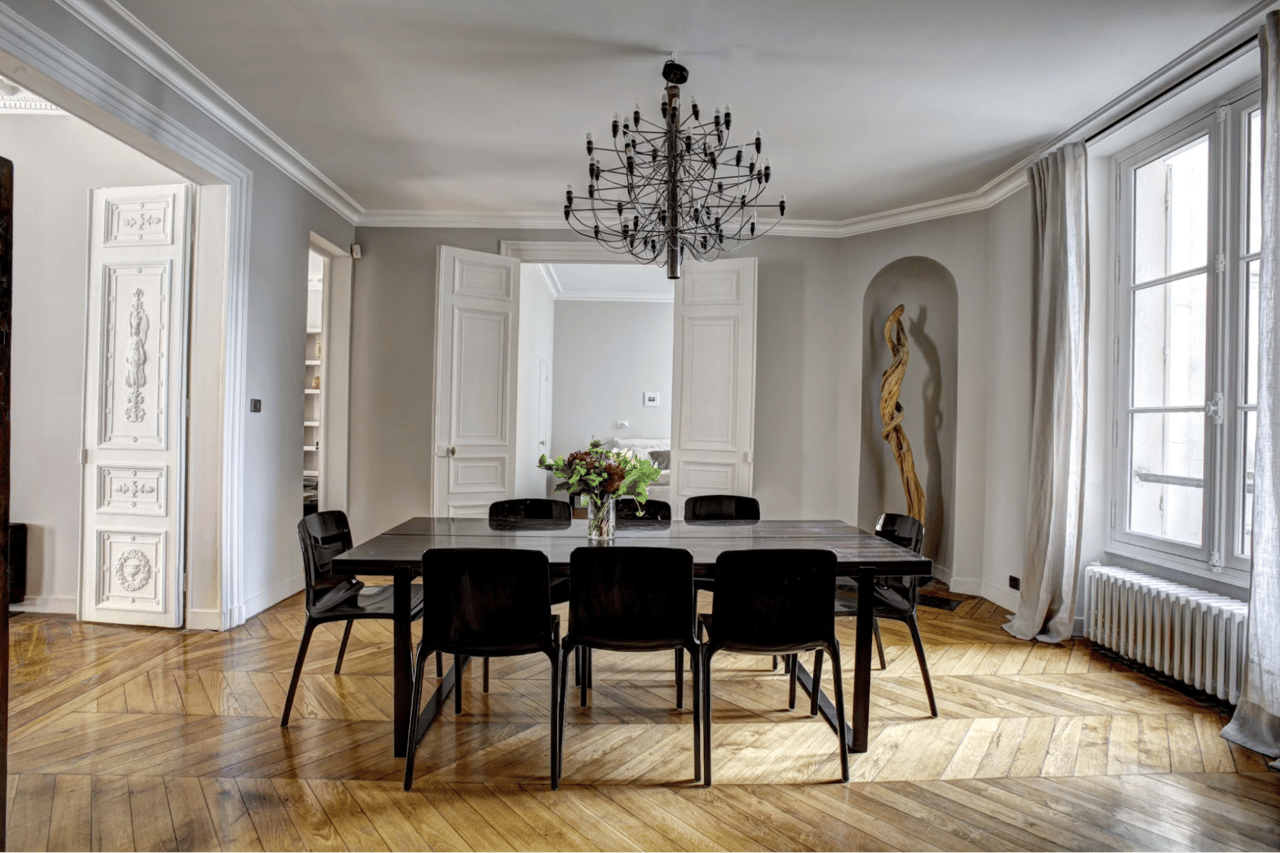
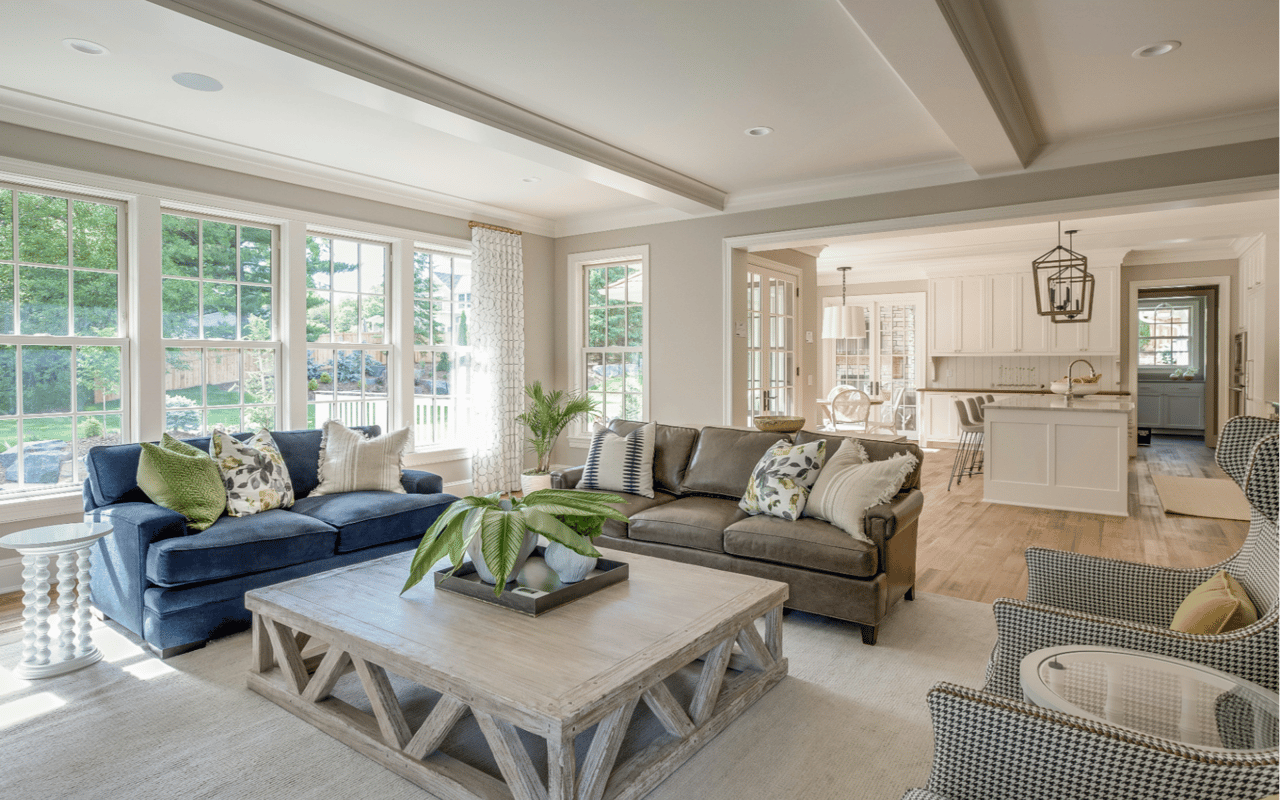
Most homes in Barrington were designed with architectural character already built in: crown molding, coffered ceilings, wainscoting, transom windows, and formal room layouts. These features are assets, and the best interior design decisions lean into them rather than fighting against them. That doesn't mean that every room needs to feel like a period piece, but it does mean that the design language you choose should be in conversation with what's already in place.
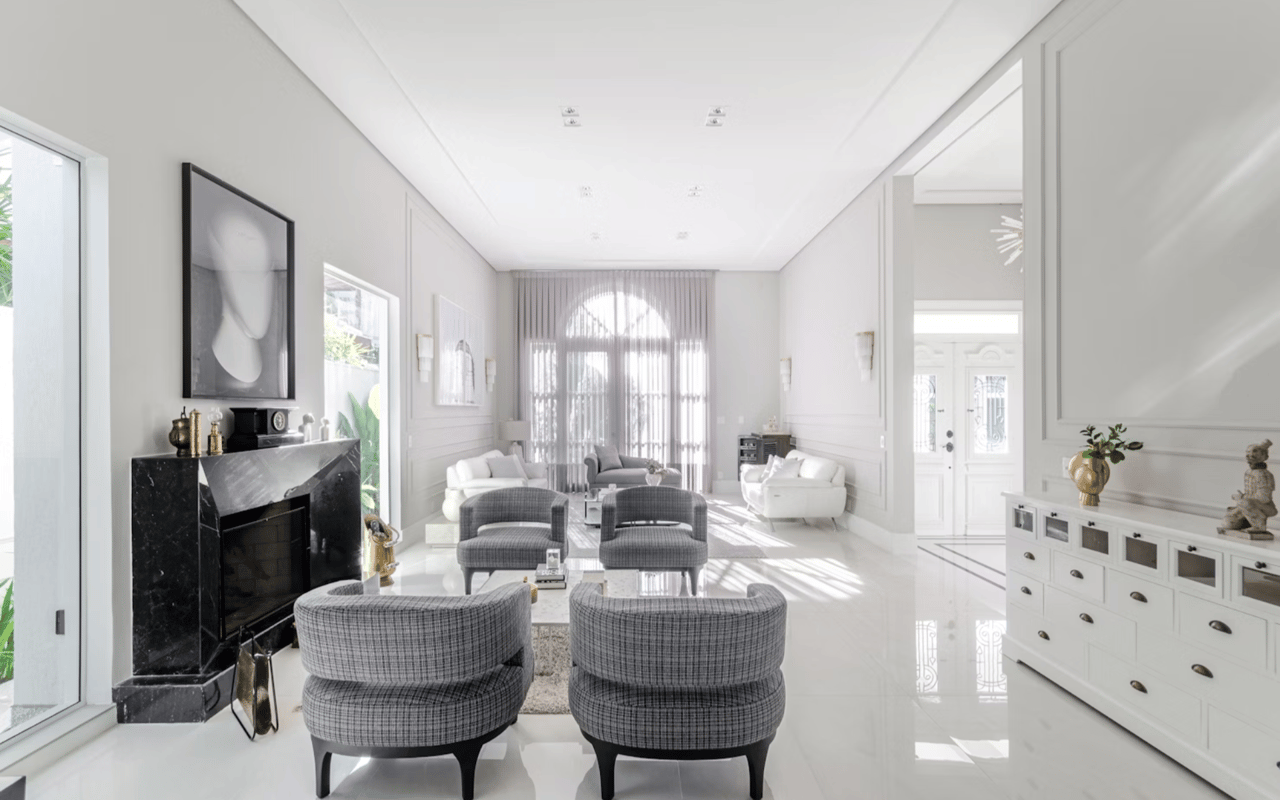
In formal living rooms with detailed trim work, a neutral palette of warm whites, greiges, and soft taupes lets the architecture read clearly without competing with it. Furniture in traditional silhouettes, like a rolled-arm sofa or a camelback settee, sits comfortably in these rooms because the proportions make sense together. Layering in a few more contemporary elements, like a streamlined coffee table, abstract art, or a modern floor lamp, keeps the space from feeling dated.
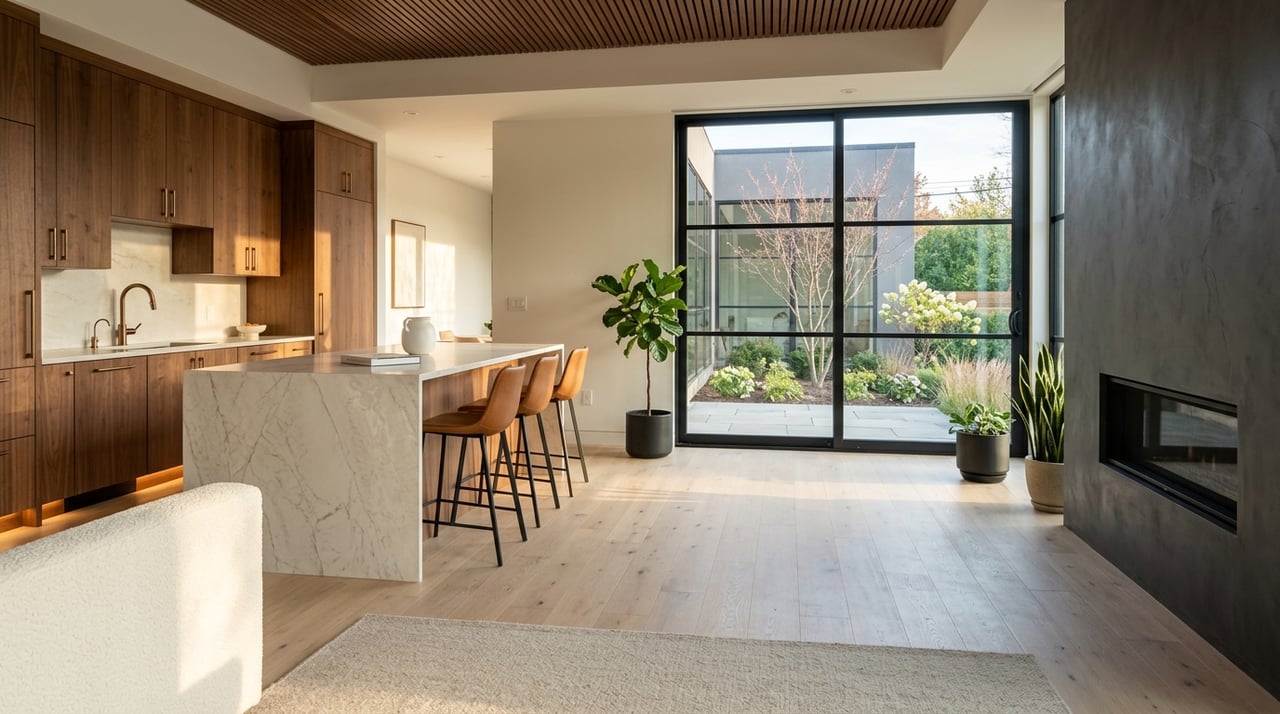
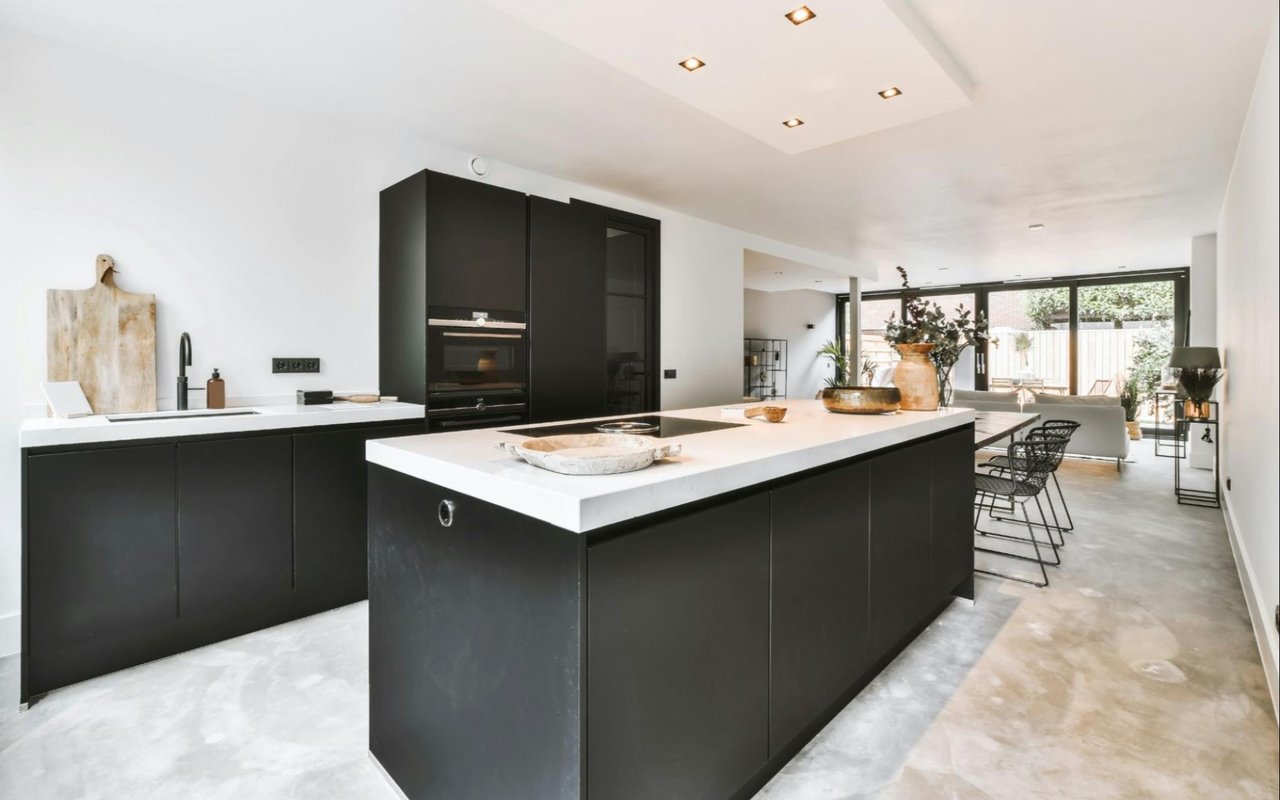
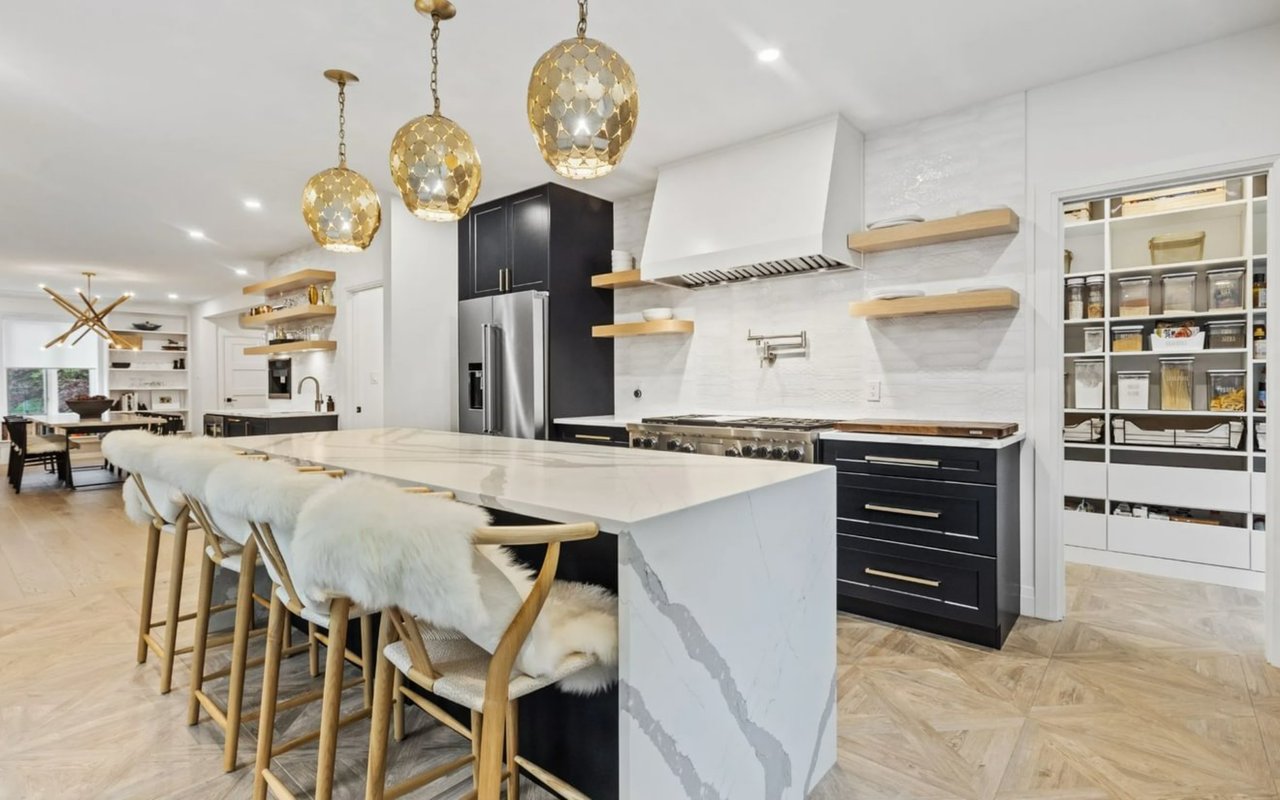
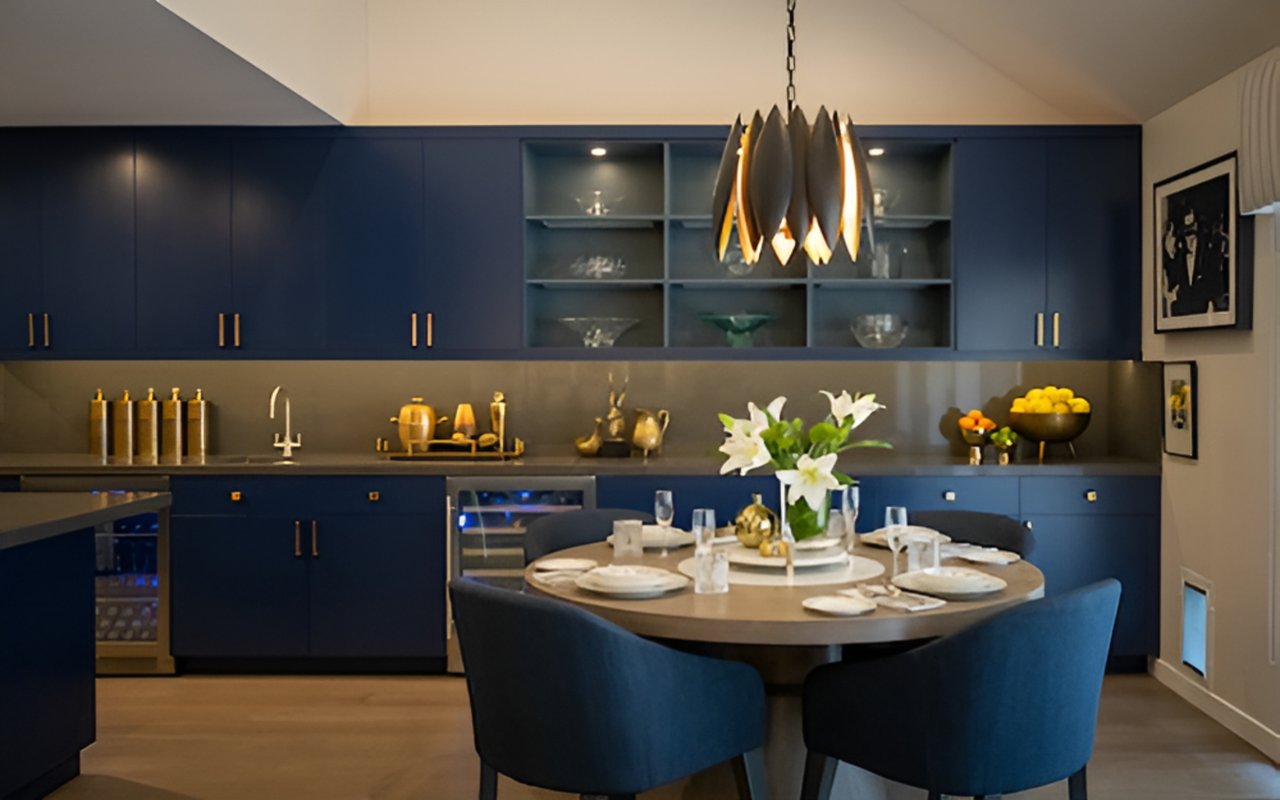
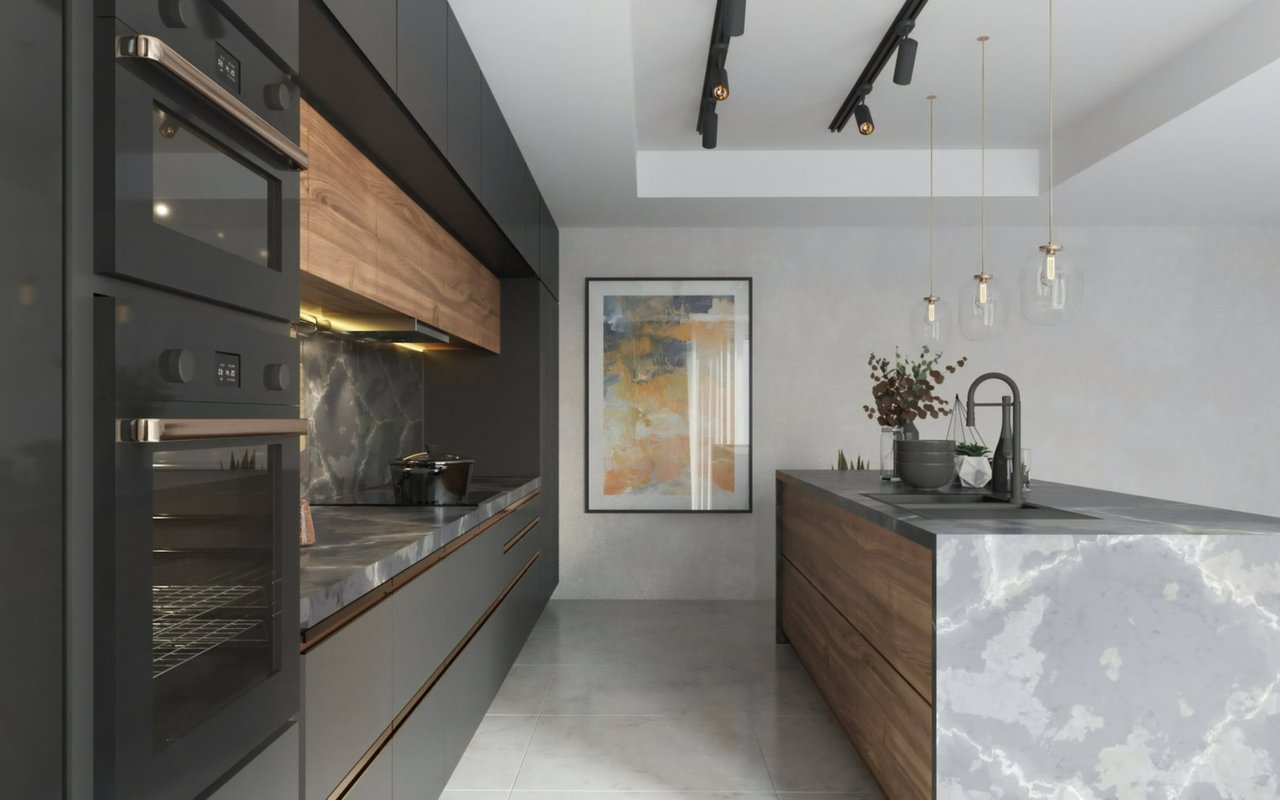
Kitchens in many Barrington homes have transitioned beautifully from builder-standard finishes to something more custom and considered. Painted cabinetry in soft sage, navy, or warm white, paired with unlacquered brass or aged bronze hardware, is a combination that photographs well and holds up over time. Quartzite and honed marble remain compelling choices for countertops here because they have the visual weight to complement larger kitchens.
Design Moves That Respect Traditional Architecture
- Use trim paint in the same color family as walls, just a shade or two lighter or darker, to create depth without high contrast.
- Choose furniture leg profiles that echo the architectural details of the room; turned legs work well in rooms with traditional millwork.
- Incorporate panel molding or picture rail molding to bring visual structure to flat walls.
- Ground formal rooms with an area rug large enough to anchor the full seating arrangement, ideally leaving 18 to 24 inches of hardwood visible on all sides.
- Preserve original hardwood floors wherever possible; refinishing rather than replacing them maintains authenticity and adds to resale value.
Scale in Larger Rooms
One of the most common design challenges in Barrington homes is scale. Great rooms, formal dining rooms, and open-plan living areas are generous by design, and filling them in a way that feels intentional requires deliberate planning. The misstep many homeowners make is purchasing furniture that fits their previous, smaller space and placing it in a larger room where it immediately looks undersized.
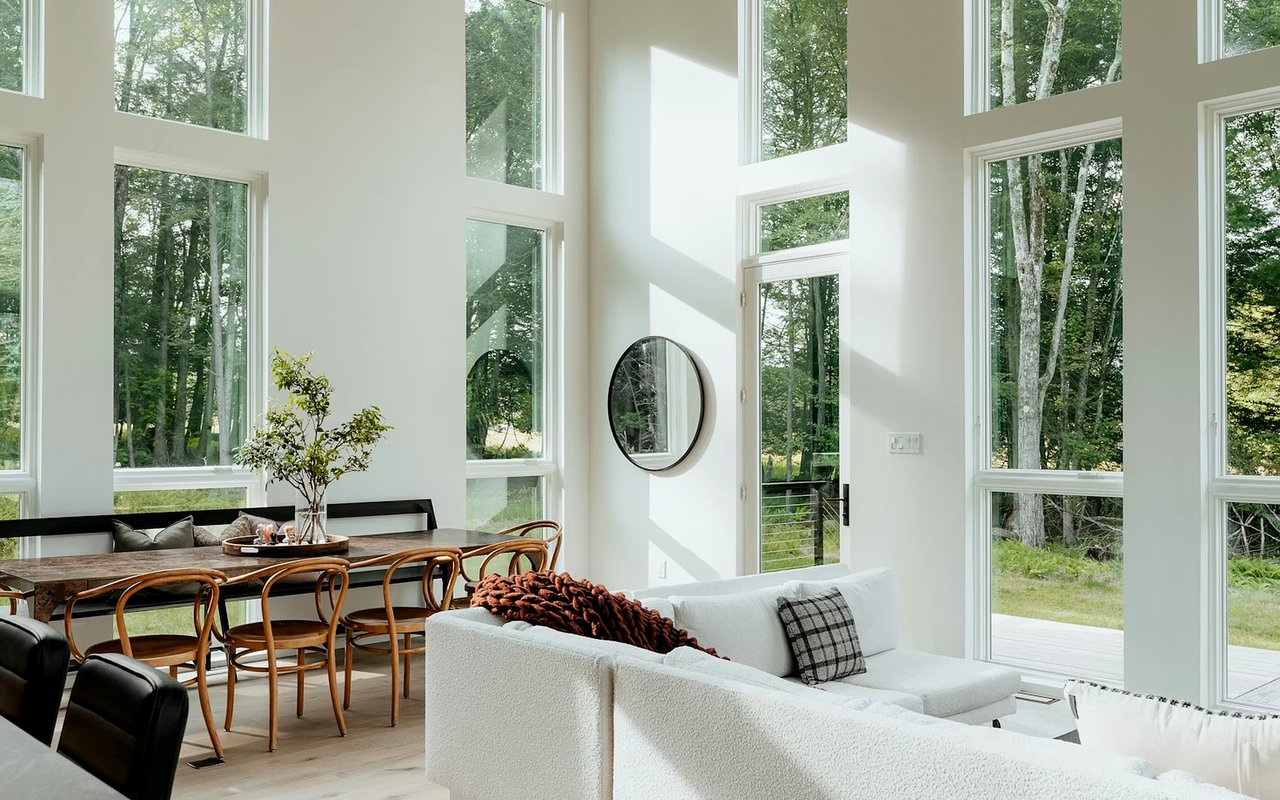
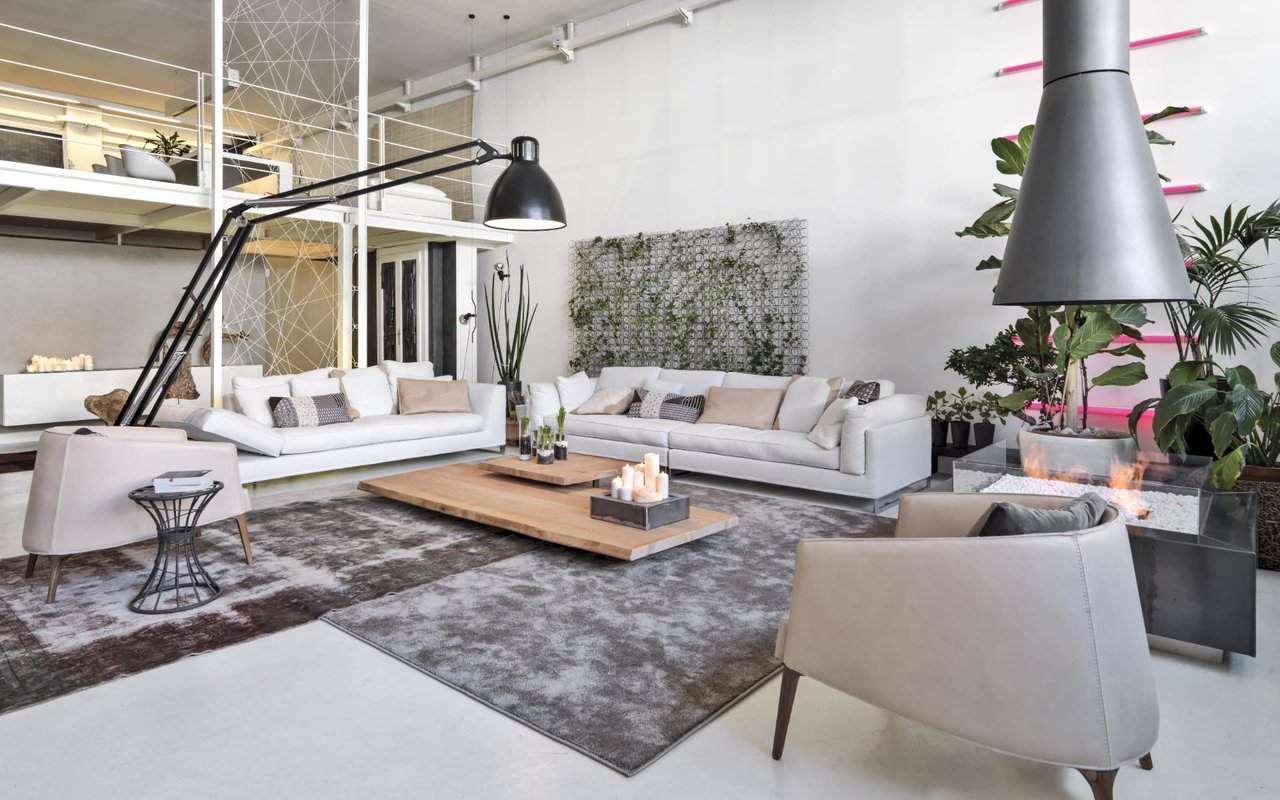
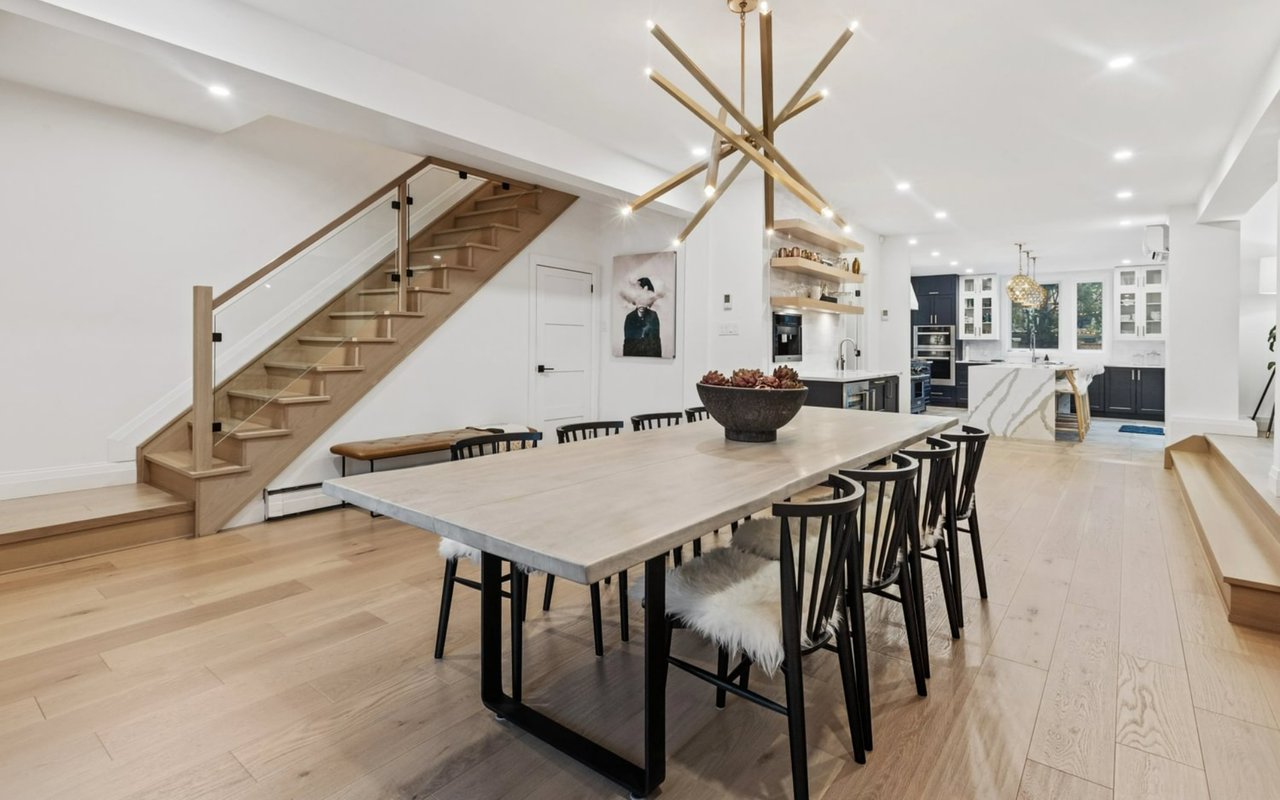
Furniture in larger rooms needs to earn its footprint. A sectional in a great room should be substantial enough to define the seating area as its own zone. Dining tables in formal rooms should seat eight to ten comfortably. Oversized artwork, whether a single large-scale piece or a properly spaced gallery wall, prevents walls from feeling bare and brings the eye upward in rooms with high ceilings.
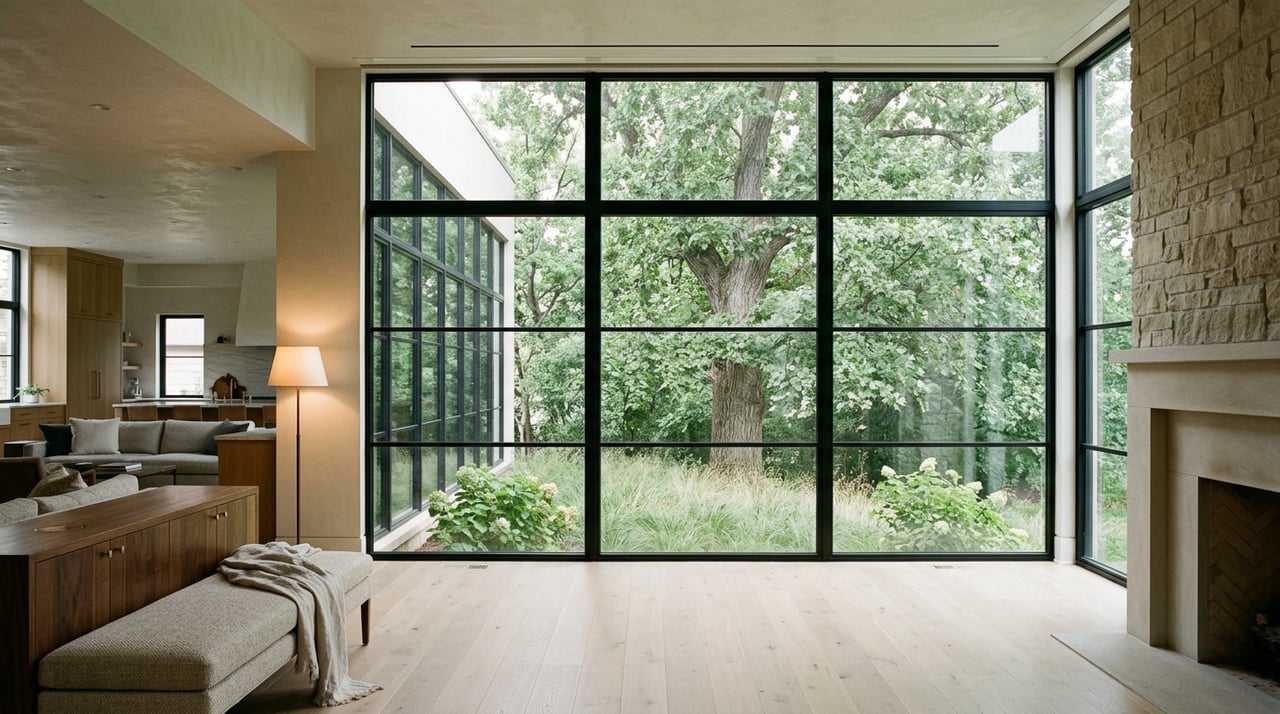
Lighting is the other major lever in expansive rooms. A single overhead fixture, no matter how beautiful, rarely provides enough warmth or dimension. The best-lit interiors layer recessed lighting with table lamps, floor lamps, sconces, and a statement chandelier or pendant. Each light source serves a different purpose: task, ambient, and accent. Getting this layering right changes how a room feels at every hour of the day.
Furniture and Layout Tips for Large Rooms
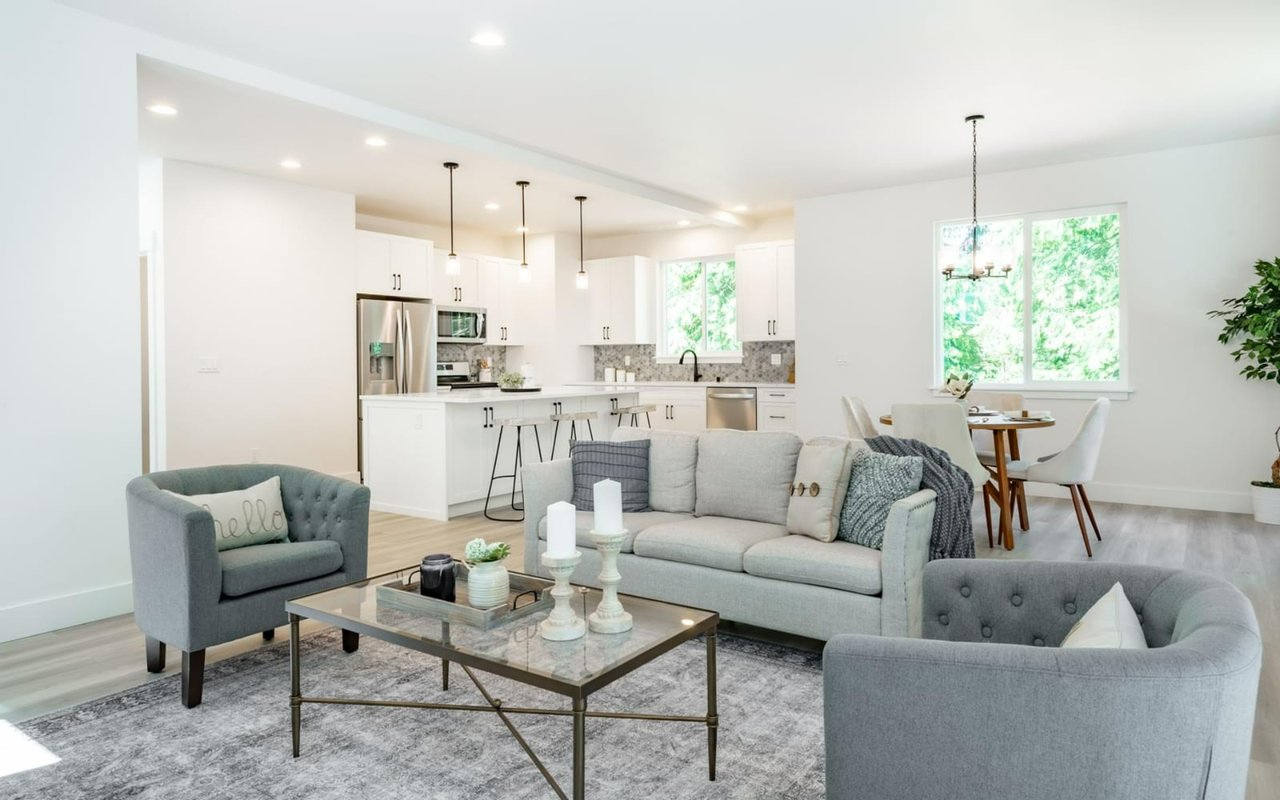
- Float furniture away from the walls; anchoring pieces to a central rug creates intentional conversation zones rather than a room that feels hollowed out.
- Use multiple light sources at varying heights to create warmth and eliminate the flat, institutional feeling of overhead-only lighting.
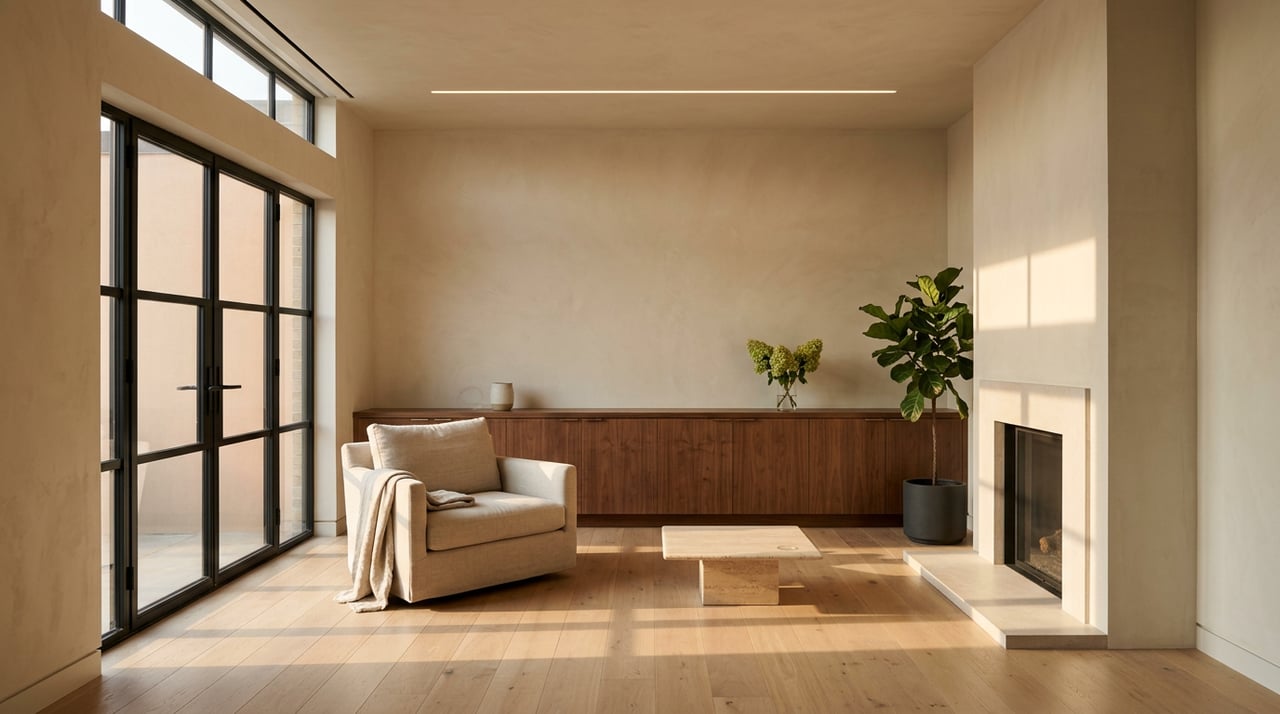
- Consider built-in shelving or cabinetry along long walls; it adds storage, creates visual interest, and makes large rooms feel purposefully designed.
- In open-plan spaces, use rugs, furniture groupings, and lighting to define distinct functional zones without physical walls.
The Case for Transitional Design
Transitional design, which takes the warmth and proportion of traditional style and pairs it with the cleaner lines and restraint of contemporary aesthetics, is particularly well-suited to Barrington homes. It avoids the rigidity of a fully period-specific interior while still honoring the details and scale of traditional architecture. The result is a home that feels timeless rather than trendy.
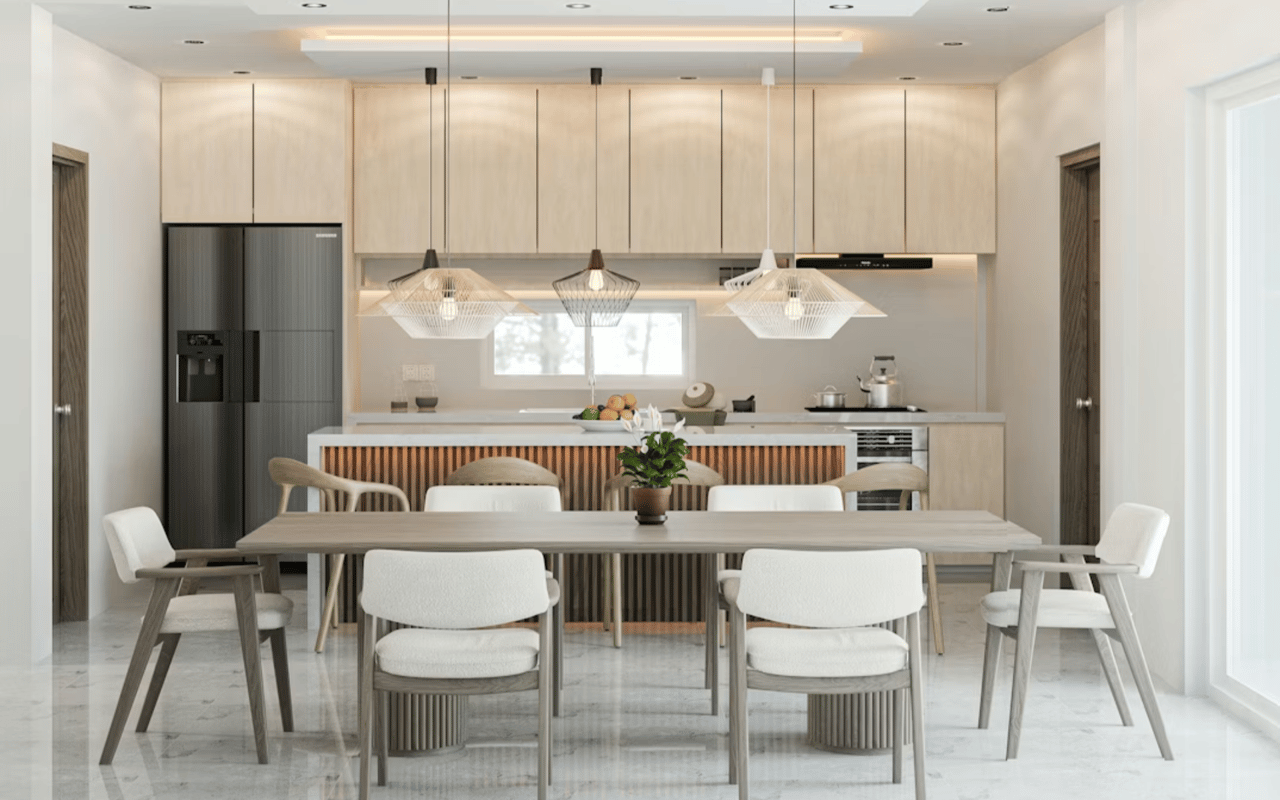
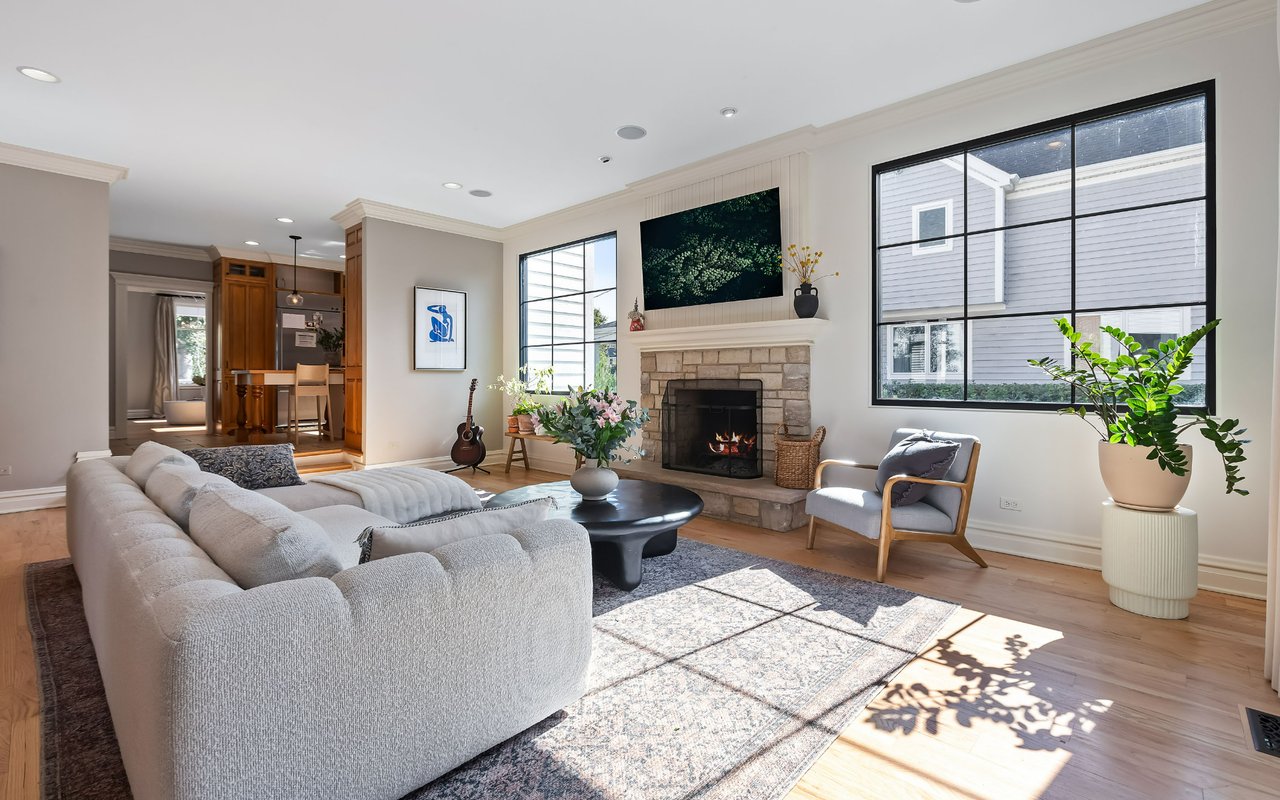
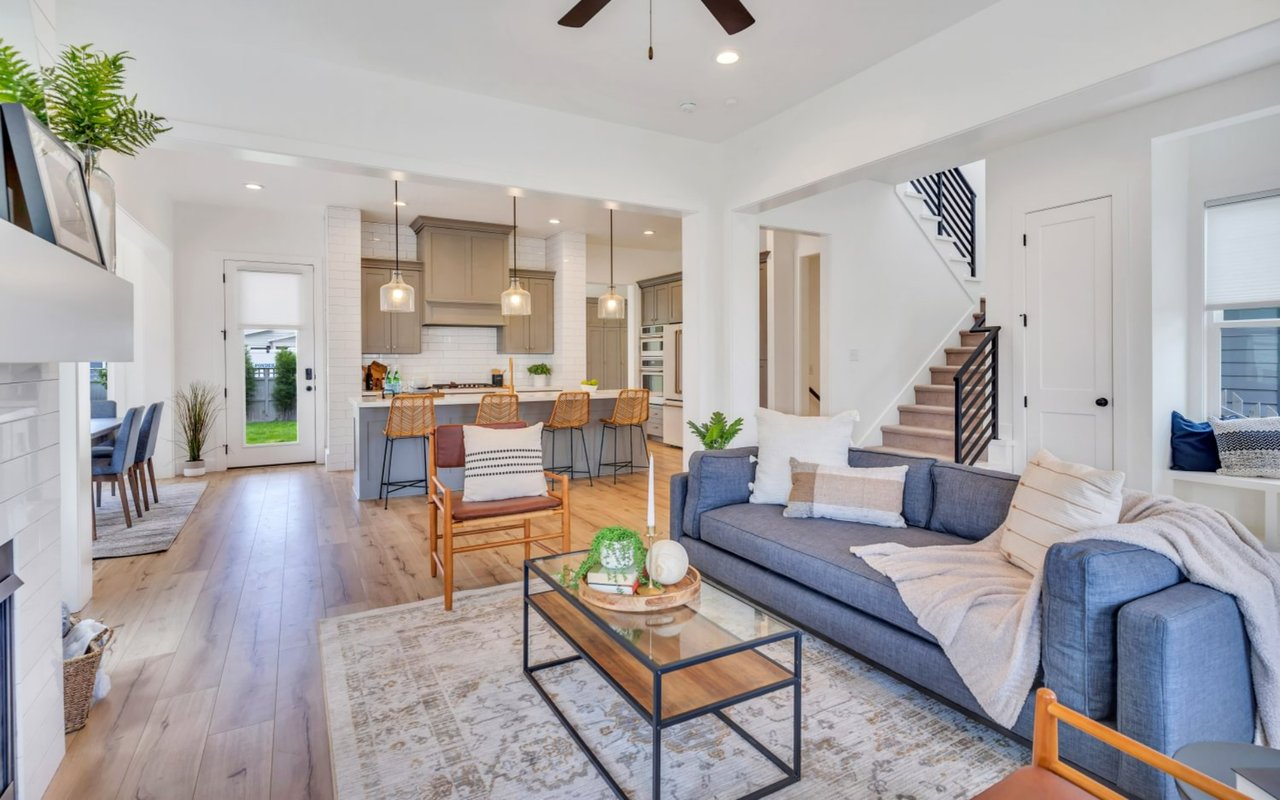
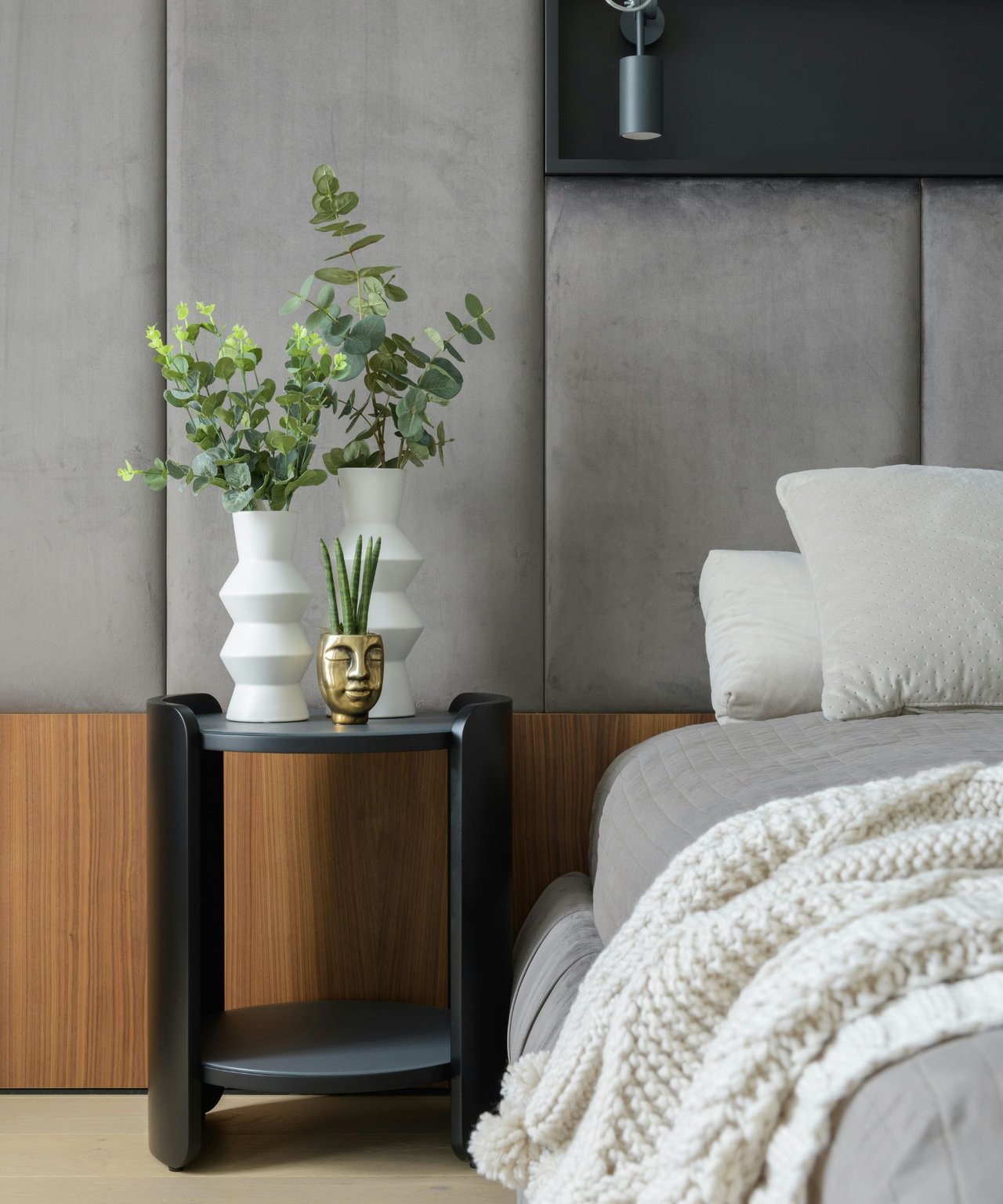
In practice, transitional design in a Barrington home might look like a kitchen with Shaker-style cabinetry, clean-lined bar stools, and a statement light fixture that leans more modern. It might be a living room where a traditional fireplace mantel is flanked by built-ins displaying a mix of antique objects and newer ceramics. It might be a bedroom with simple paneled headboard millwork on the walls, bedding in solid linen or textured cotton, and nightstands that are classic in proportion but minimal in detail.
The color palette in transitional spaces tends to be restrained: warm whites, warm grays, camel, navy, forest green, and natural wood tones are common anchors. What makes it work is that nothing competes too aggressively. Every piece has its place, and the overall effect is rooms that feel considered and calm.
Building a Transitional Interior
- Mix metals thoughtfully; warm finishes like brass and bronze work alongside matte black and brushed nickel when the distribution is intentional rather than random.
- Choose upholstery fabrics with texture rather than pattern in main seating pieces to keep the palette cohesive and allow for bolder accent choices elsewhere.
- Pair traditional architectural features with simplified furniture profiles; a coffered ceiling reads well above a clean-lined sectional.
- Use window treatments that fall to the floor, are installed ceiling-height, and frame the window rather than covering it.
- Transitional spaces rely on restraint, and well-chosen pieces with breathing room between them look more intentional than rooms that are overfilled.
FAQs
What Interior Design Style Works Best in Barrington Homes?
Transitional design tends to work exceptionally well in Barrington homes because it honors the traditional architecture and generous proportions of the spaces while allowing for updated finishes and a cleaner aesthetic. That said, fully traditional, modern farmhouse, and even more contemporary interiors can work beautifully when the choices are made with the architecture and scale of the specific home in mind.
How Do I Make a Large Room Feel Cozy Without Losing the Open Feel?
The key is layering. Layered lighting, a properly sized area rug that anchors the furniture grouping, and multiple seating arrangements within one expansive space all create warmth without closing off the room. Textiles like wool throws, linen pillows, and heavier drapery fabric add visual softness without taking up square footage.
Should I Update the Trim and Millwork When Renovating?
In most cases, preserving and restoring original trim and millwork is the better choice, particularly in older Barrington homes with detailed profiles. If the trim has been painted over many times or is damaged, replacing it with a profile that matches the original maintains the character of the home. Updating trim paint from a flat to an eggshell or satin finish is an easy, cost-effective way to freshen the look without replacing anything.
How Do I Choose the Right Lighting for a Large Open-Plan Space?
Start by identifying the functional zones within the open-plan area, and plan lighting for each zone independently. Each zone typically benefits from a statement overhead fixture, supplemented by recessed lighting and lower-level sources like table lamps or pendants. Dimmers are essential in open-plan spaces because they allow you to change the tone of the entire area.
Your Home Deserves a Design That Works as Hard as You Do
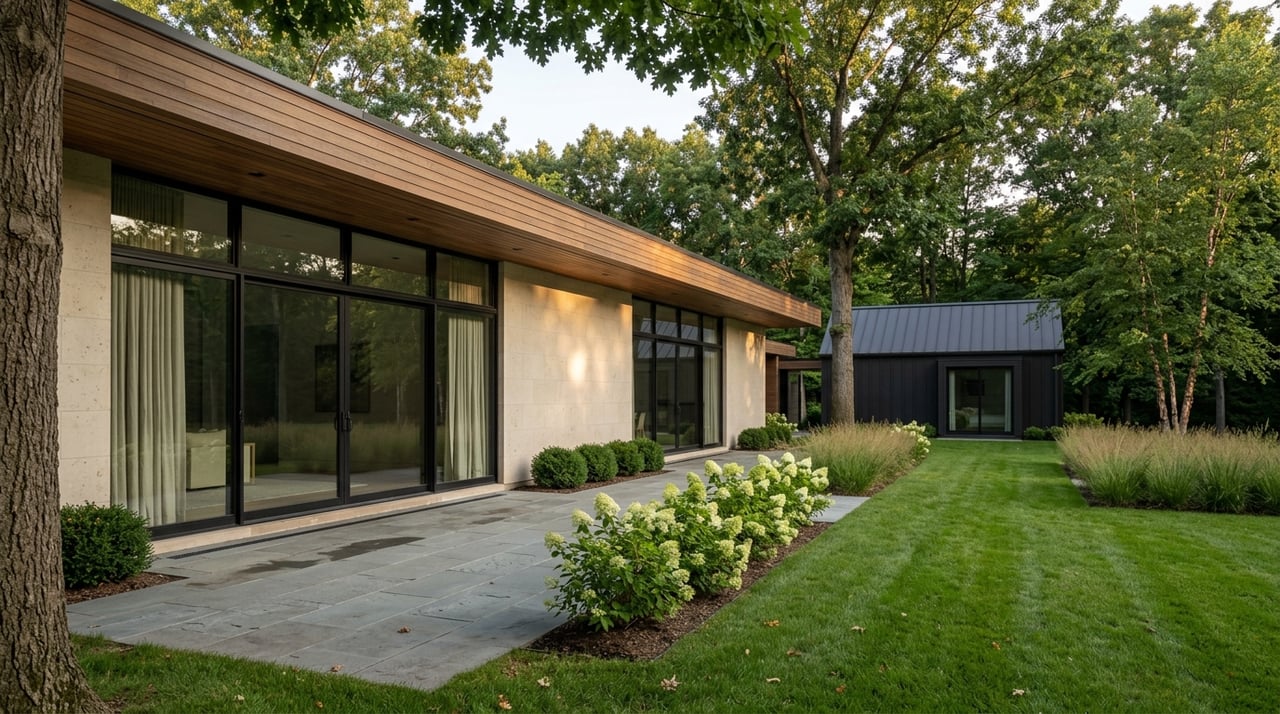
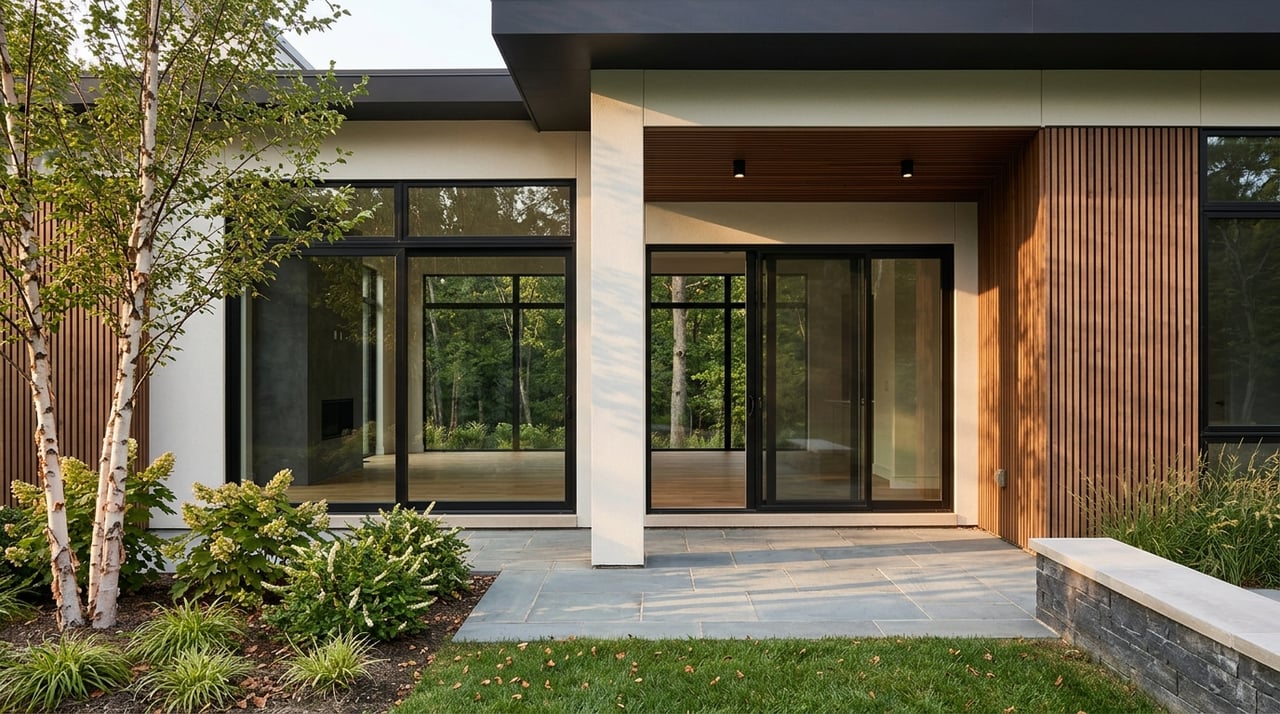
The beautiful homes in Barrington are among the most architecturally interesting in the Chicago suburbs. They have the proportions, the character, and the underlying quality to support genuinely stunning interiors, but getting there requires more than instincts. It requires an understanding of scale, light, proportion, and how each choice connects to the ones around it.
When you're ready to make a move, whether that means buying a home in Barrington that's already been carefully designed or finding one with the right bones and doing the work yourself, the Rob Morrison Team is here to help. We know this market inside and out, and we'd love to help you find the home that fits your vision. Reach out today.