Wondering whether Palatine is the right next step when your current home no longer fits your life? If you want more space, a manageable budget, and a commute that still works, Palatine deserves a serious look. For many condo owners and starter-home buyers, it offers a practical move-up path without the bigger jump in price and upkeep that often comes with larger-lot communities nearby. Let’s take a closer look.
Why Palatine stands out
Palatine sits in a useful middle ground for move-up buyers. It is not purely a condo market, and it is not built around estate-style living either. That mix is a big reason it often works well for buyers who want to trade up in size without stretching into a very different price tier.
DePaul housing data show Palatine’s housing stock is 52.2% single-family and 35.4% condominium. That matters because it reflects a market with both attached and detached options, which can make the transition from a condo or smaller first home feel more realistic. You are not jumping from one extreme to another.
The village also supports a range of housing types through ongoing single-family, multi-family, and commercial development. In simple terms, Palatine offers more variety than buyers often expect. That flexibility can help if your priorities include more bedrooms, a yard, or a different layout while still keeping your search broad enough to find options.
How Palatine compares on price
For many move-up buyers, the biggest question is simple: can you get more home without taking on too much more cost? Based on current market data, Palatine often answers that question better than South Barrington or Barrington Hills.
In March 2026, Palatine’s median sale price was $375,000. Homes sold in about 44 days and received four offers on average. That suggests healthy demand, but it also places Palatine below the much higher budget levels seen in nearby estate-oriented markets.
South Barrington posted a March 2026 median sale price of $915,000, while Barrington Hills came in at $1.2 million. Those higher-end markets can offer more land and larger homes, but they also usually bring a bigger monthly payment, higher carrying costs, and more maintenance. If your goal is to grow into your next home without overreaching, Palatine is often the more practical fit.
Barrington village is a little more nuanced. Its March 2026 median sale price was $340,000, but only 14 homes sold that month, so the median can shift more from month to month. It is also a more mixed market than many buyers assume, which means one monthly number does not tell the whole story.
What you can expect from Palatine housing
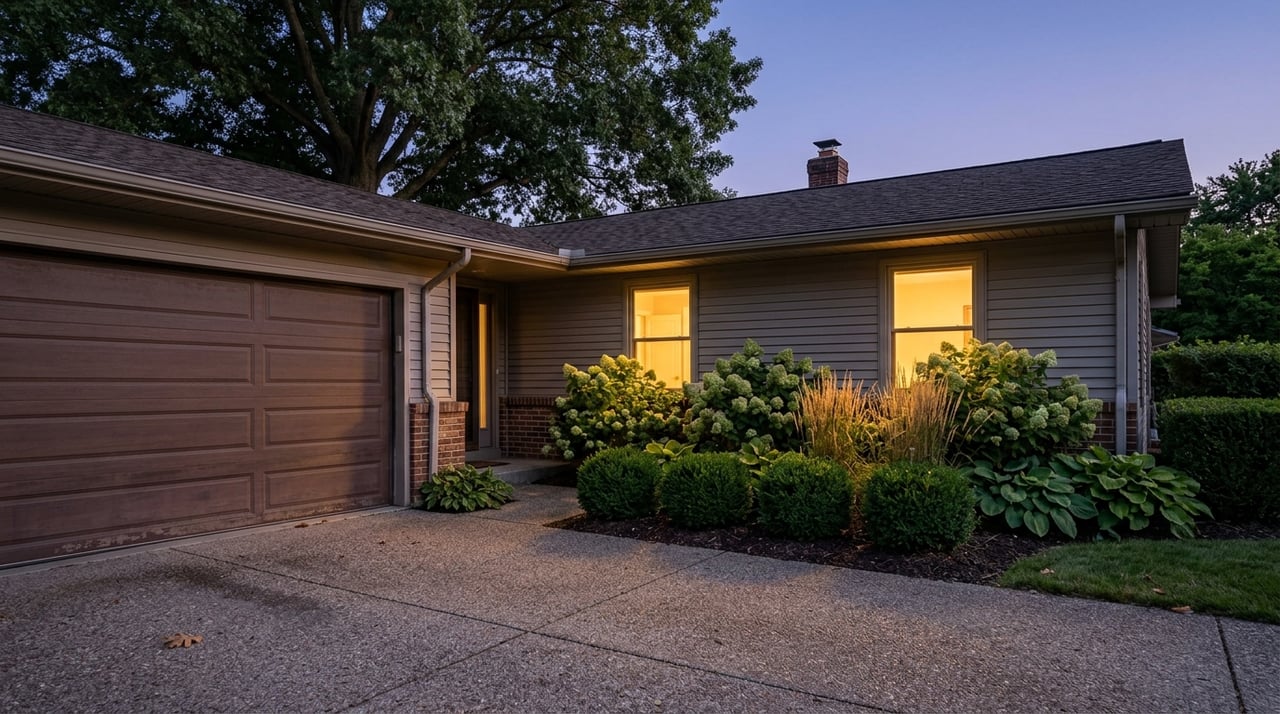
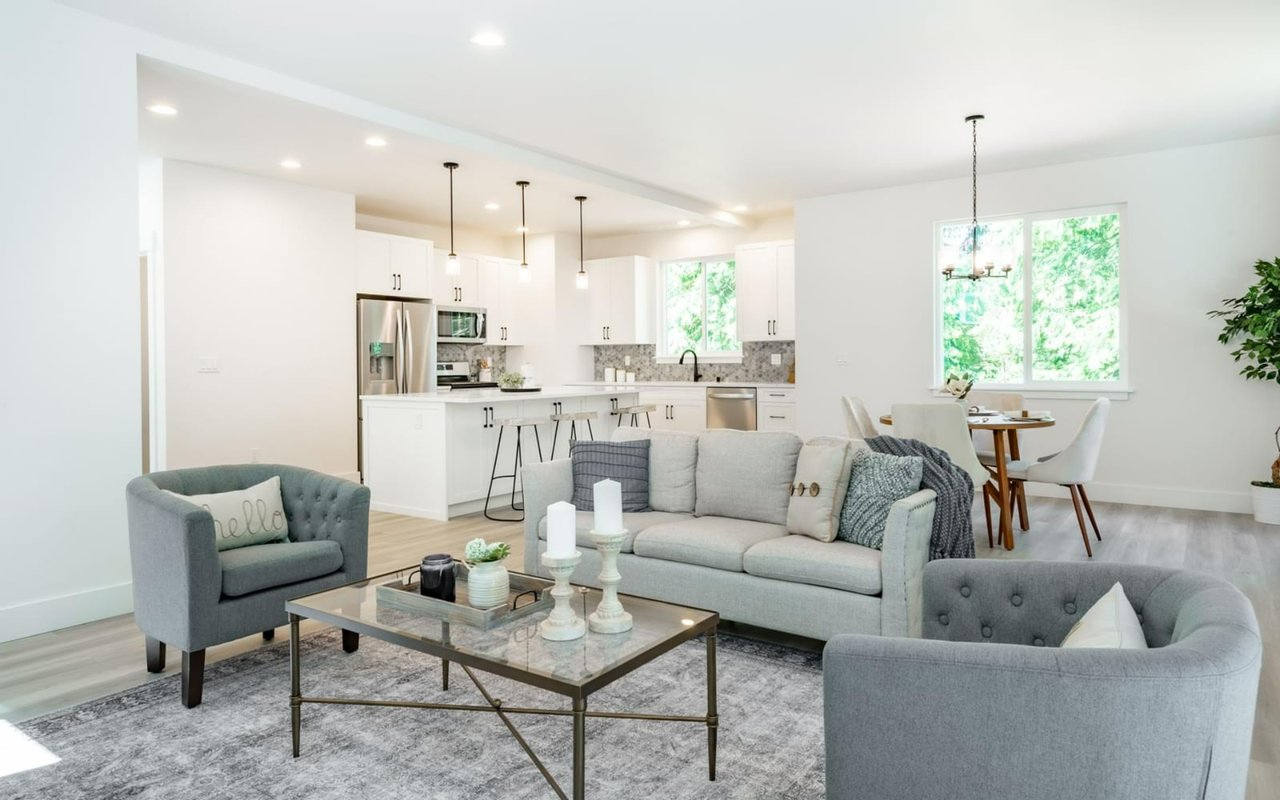
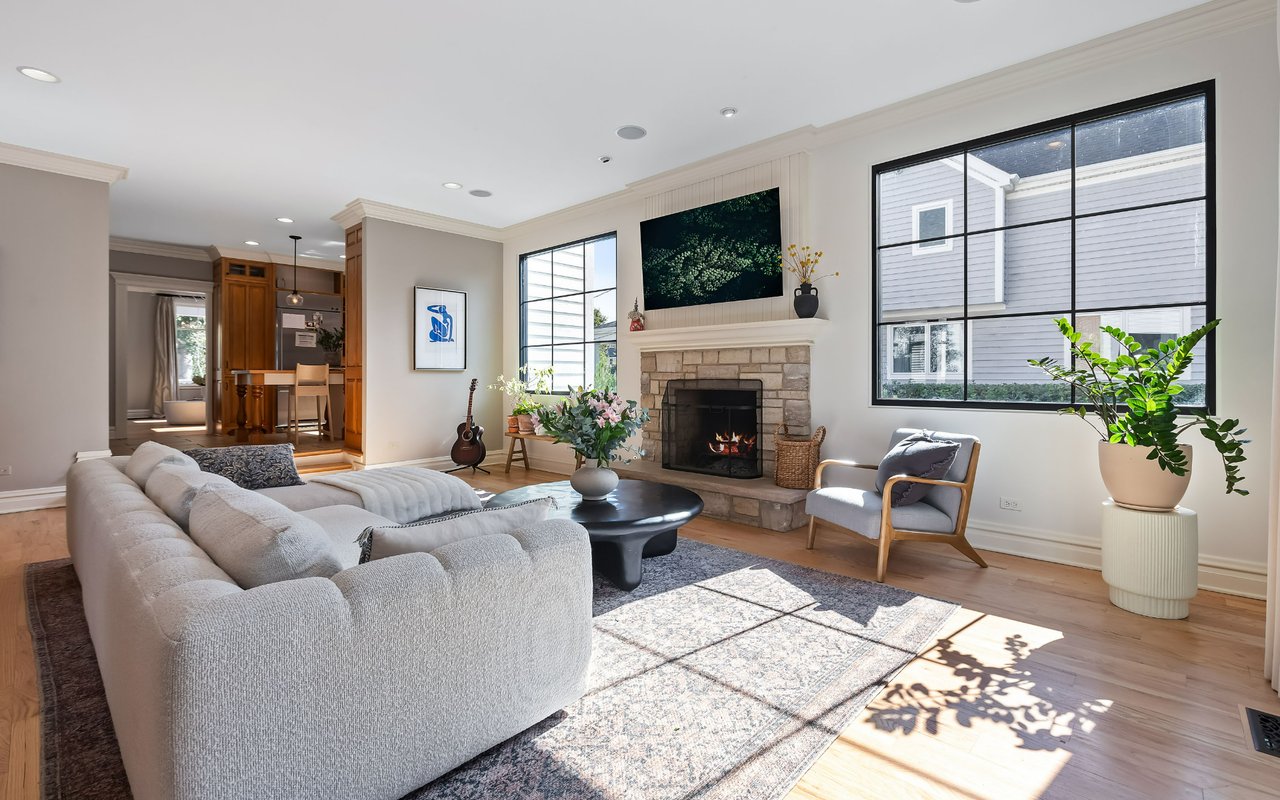
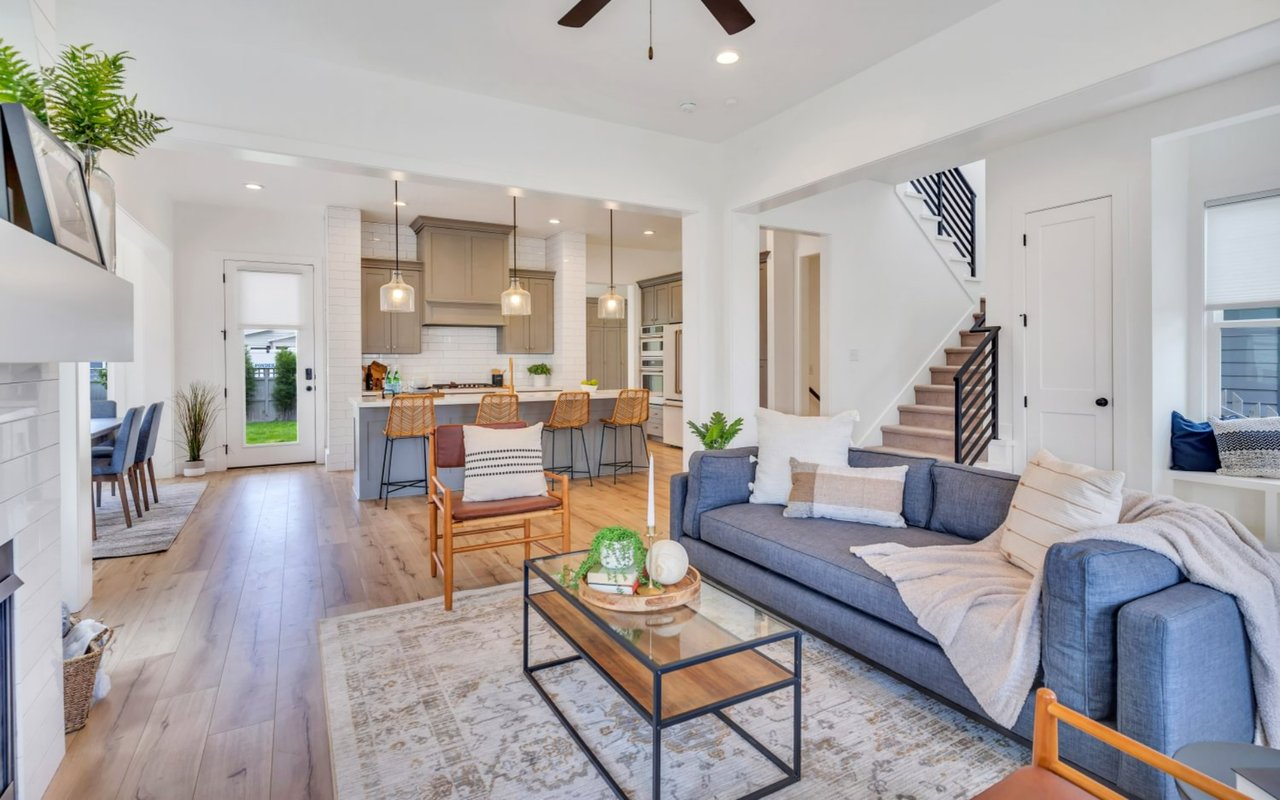
Palatine’s housing stock supports the idea of a true move-up market. You can find detached homes, condos, and a broader suburban mix rather than a one-note housing profile. That makes it easier to move from attached living into a single-family home without leaving the area for a much more expensive market.
Palatine’s subdivision standards for single-family detached development also point to a more accessible suburban pattern. The village calls for lots at least 75 feet wide, 110 feet deep, and 9,000 square feet minimum in many cases, with some zoning districts going down to 7,500 square feet. That tends to create a practical middle ground between dense attached housing and the very large-lot style found in estate communities.
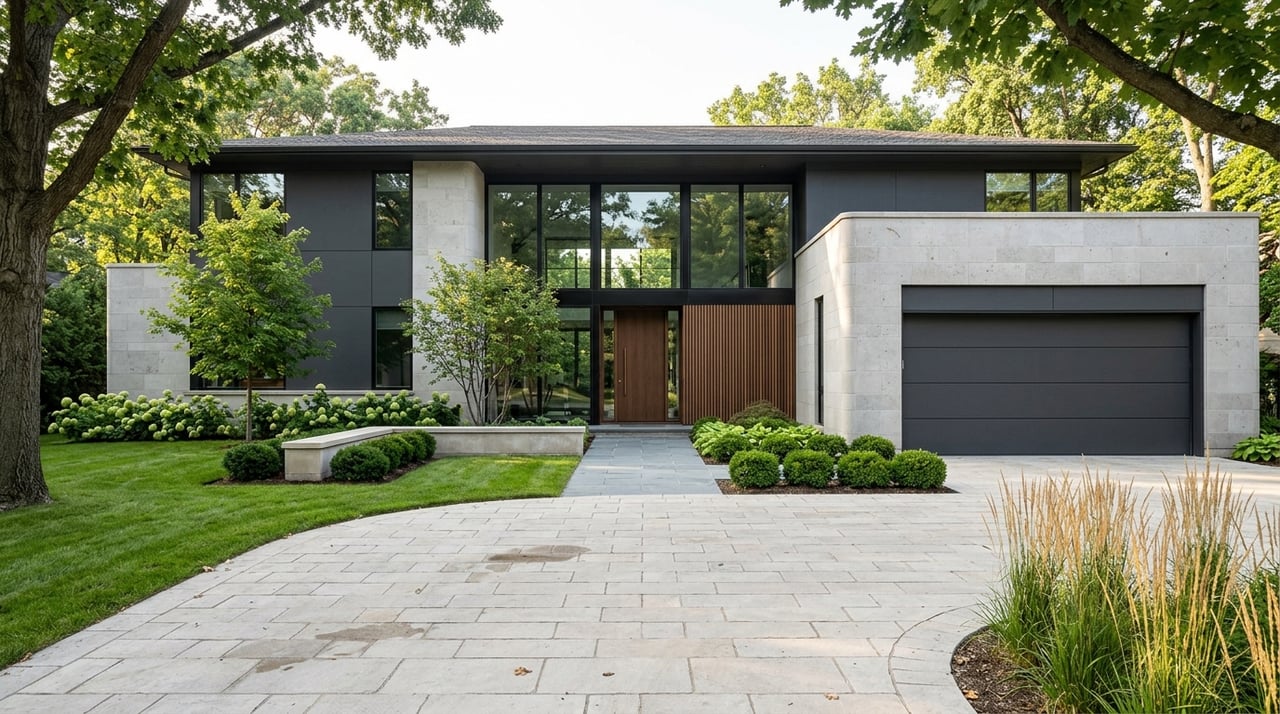
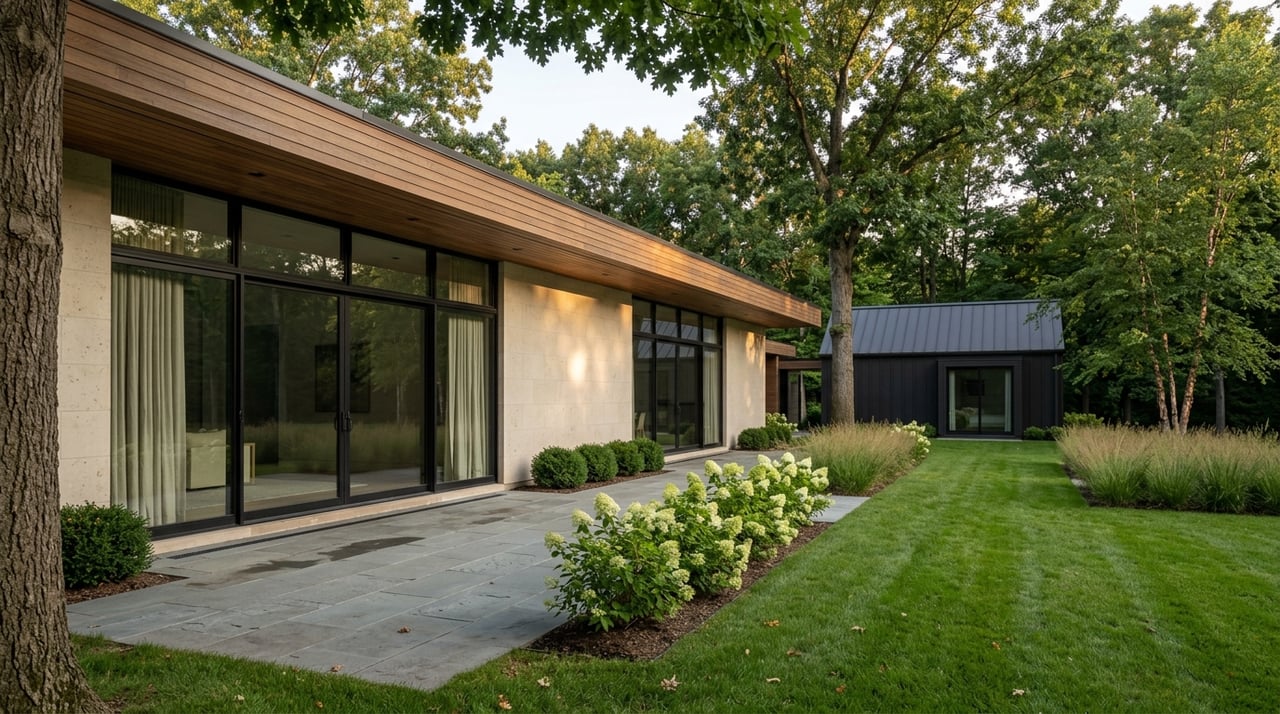
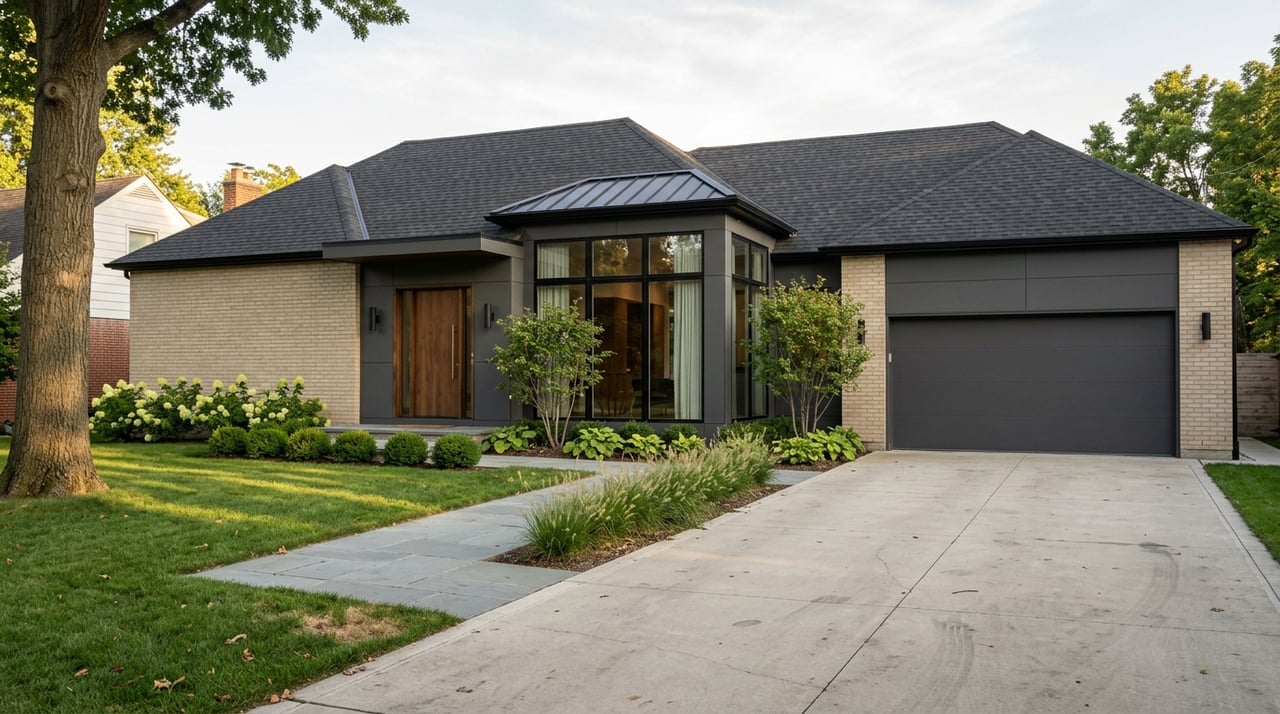
If your next-stage goals are a functional yard, more indoor space, and a neighborhood feel that still supports day-to-day convenience, Palatine checks many of those boxes. If your top priorities are several acres, a more secluded setting, or a custom-home profile, that is where South Barrington or Barrington Hills may align better.
Commute convenience is a major advantage
Space matters, but so does how your next home fits your routine. One of Palatine’s strongest advantages is that it combines a suburban housing mix with strong rail access.
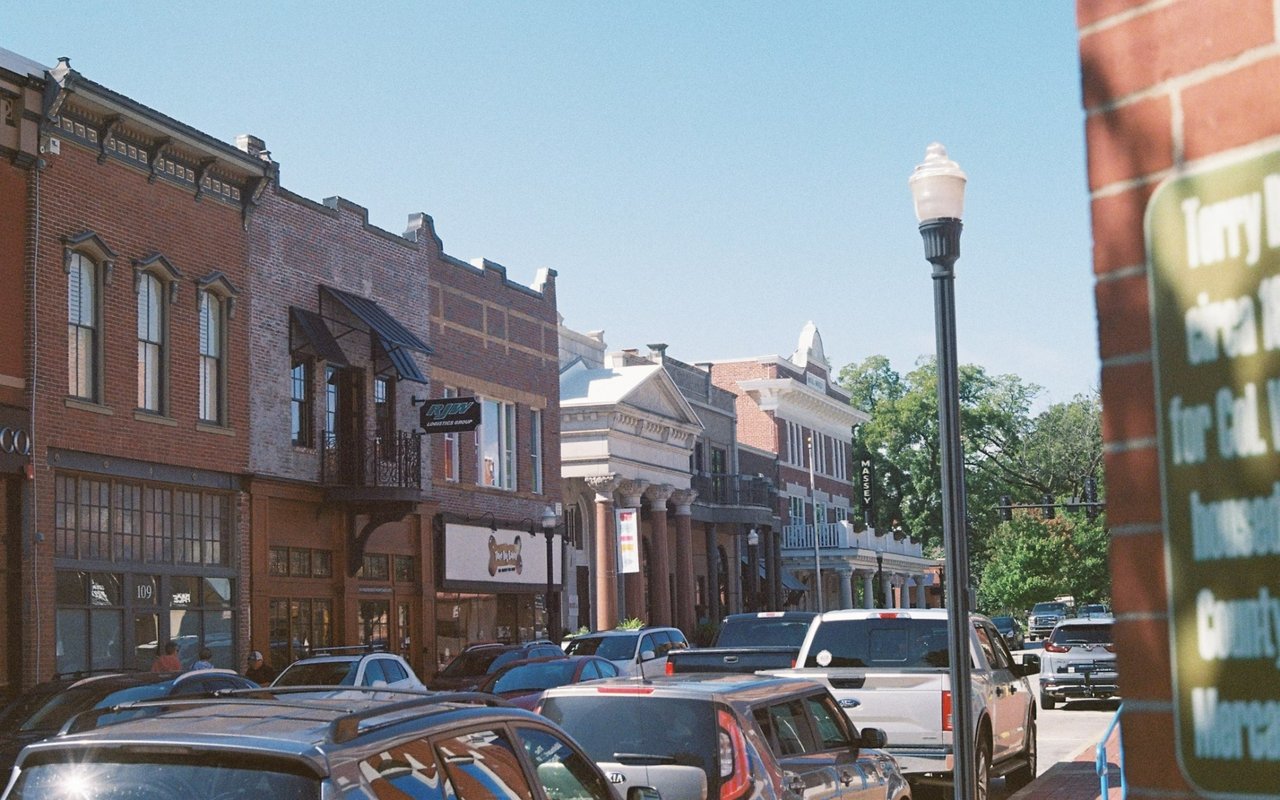
The village says Palatine is about 30 miles from Chicago’s Loop and 14 miles from O’Hare. The Palatine Metra station serves as the village’s primary transit hub, and the village maintains commuter parking downtown. Its 2025 comprehensive plan also notes that the station is one of Metra’s busiest non-downtown stops and highlights Pace Route 604 along Highway 53.
For move-up buyers, that can be a meaningful difference. You may be able to gain space without giving up a train-based commute. In nearby comparisons, South Barrington is more car-oriented, with village transportation information focused on I-90 access at Barrington Road and Route 59/Sutton Road.
Barrington also offers strong rail access, with its Metra station in the village center and commuter parking available. So if train access is high on your list, both Palatine and Barrington belong in the conversation. The key difference is that Palatine often gives you a more budget-conscious path into a larger home.
Palatine versus Barrington-area estate markets
It helps to compare Palatine with what it is not. If you are deciding between Palatine and the Barrington-area estate communities, the real issue is usually not which place is better. It is which place fits your next chapter.
Barrington Hills is the clearest land-and-luxury market in the group. DePaul data show 100% single-family housing there, and village materials say the majority of parcels are five acres or larger. The village also emphasizes open land, forest preserves, horse trails, and large estates.
South Barrington also leans toward larger homes and open space. Village materials describe a preserved rural heritage and semi-rustic feel, and recent sold homes ranged from 2,059 to 8,708 square feet. That profile is very different from a typical move-up search centered on affordability, flexibility, and commute convenience.
Palatine, by contrast, is usually the better match if you are moving up from a condo or starter home and want a next home that feels like a real upgrade without jumping into the budget and maintenance demands of a larger-lot property. It is less about prestige and more about fit.
When Palatine is likely the smart move
Palatine may be the right move-up market for you if your goals look like this:
- You want more square footage without moving into luxury pricing
- You are selling a condo, townhome, or starter home and want a practical next step
- You value train access or a commute that still feels manageable
- You want detached-home options but still appreciate a mixed housing market
- You care about balancing lifestyle improvement with monthly affordability
That combination is what makes Palatine stand out. It gives you room to move forward without forcing you into a much steeper cost tier right away.
When another market may fit better
Palatine is not the perfect answer for every buyer. In some cases, another nearby market may line up better with your goals.
You may want to look more closely at Barrington, South Barrington, or Barrington Hills if you are prioritizing:
- More land and greater privacy
- A stronger custom-home or estate-home feel
- Larger homes as the main goal, even with a higher budget
- A setting centered more on open space than on mixed housing choices
Barrington can be appealing if you like village-center character and train access. South Barrington and Barrington Hills make more sense when your next move is truly about land, scale, and a higher-end property profile.
The real question to ask
Instead of asking whether Palatine is a smart move-up market in general, it helps to ask whether it is smart for your budget, commute, and lifestyle. For many buyers in the northwest suburbs, the answer is yes because Palatine offers a balanced step up. You can often gain space, stay connected to key transportation routes, and avoid the much higher costs tied to estate-style communities.
That is why Palatine continues to stand out as a practical move-up option. It gives you a chance to build on the equity from your current home while keeping your next purchase grounded in day-to-day livability.
If you are weighing Palatine against Barrington, South Barrington, or Barrington Hills, the best next step is a side-by-side review of price, property type, and commute fit. The Rob Morrison Team can help you compare your options with clear local guidance and a plan that fits your next move.
FAQs
Is Palatine a good place to move up from a condo?
- Yes. Palatine’s housing stock includes both a significant condo share and a large single-family segment, which makes it a practical market for buyers who want to move from attached living into a larger home.
How does Palatine compare with South Barrington on price?
- In March 2026, Palatine’s median sale price was $375,000 compared with $915,000 in South Barrington, making Palatine the more budget-friendly move-up option in current sale-price data.
Does Palatine offer good commuter access for buyers?
- Yes. Palatine has a Metra station, commuter parking downtown, Pace Route 604 along Highway 53, and village-reported proximity of about 30 miles to Chicago’s Loop and 14 miles to O’Hare.
Is Barrington or Palatine better for train access and village convenience?
- Both offer strong rail access and commuter parking. Palatine is often the more practical budget choice for move-up buyers, while Barrington may appeal if you want village-center character in a mixed market.
Who should consider Barrington Hills instead of Palatine?
- Buyers who want several acres, a fully single-family housing profile, and a more land-focused estate setting are more likely to find Barrington Hills a better fit than Palatine.