If you are thinking about buying an estate home in Barrington Hills, you are not just shopping for a bigger house. You are choosing a property with land, infrastructure, and long-term lifestyle implications that can be very different from a typical suburban purchase. The good news is that with the right questions and careful due diligence, you can buy with much more confidence. Let’s dive in.
What an estate home means in Barrington Hills
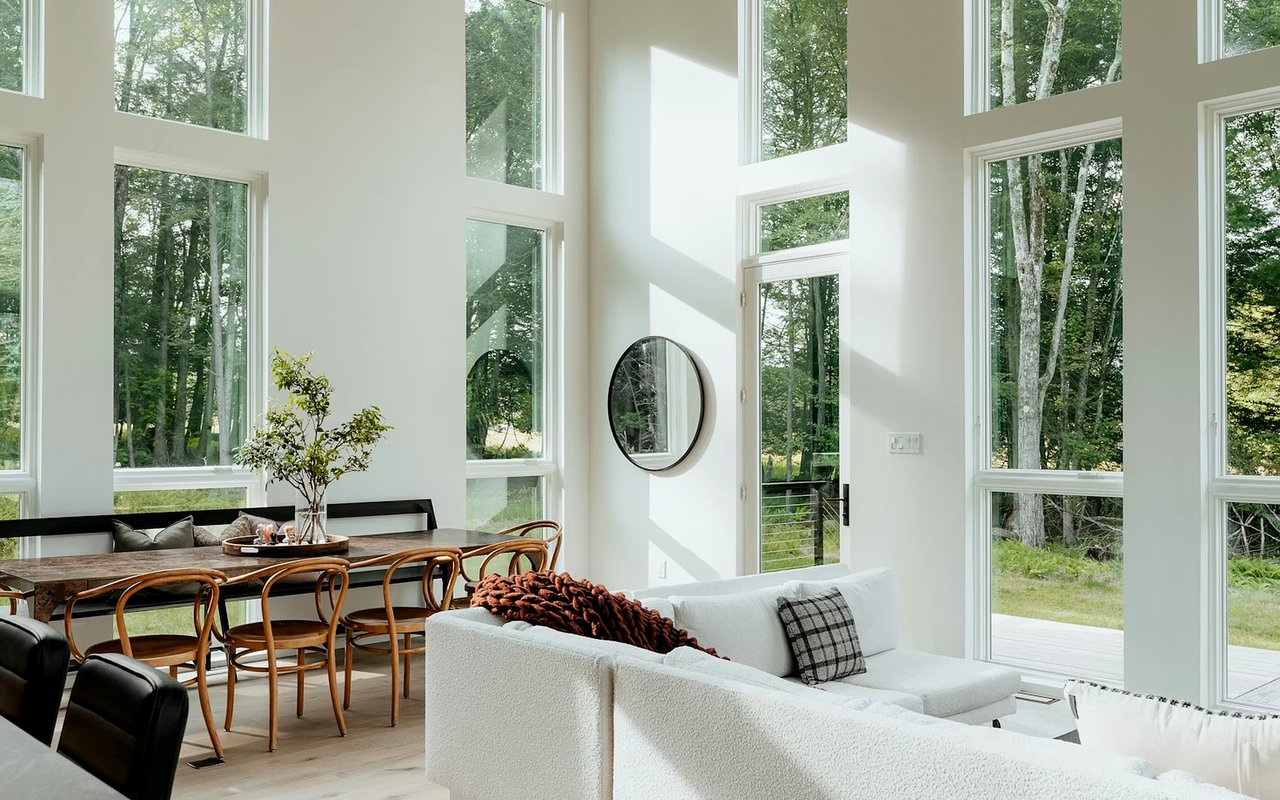
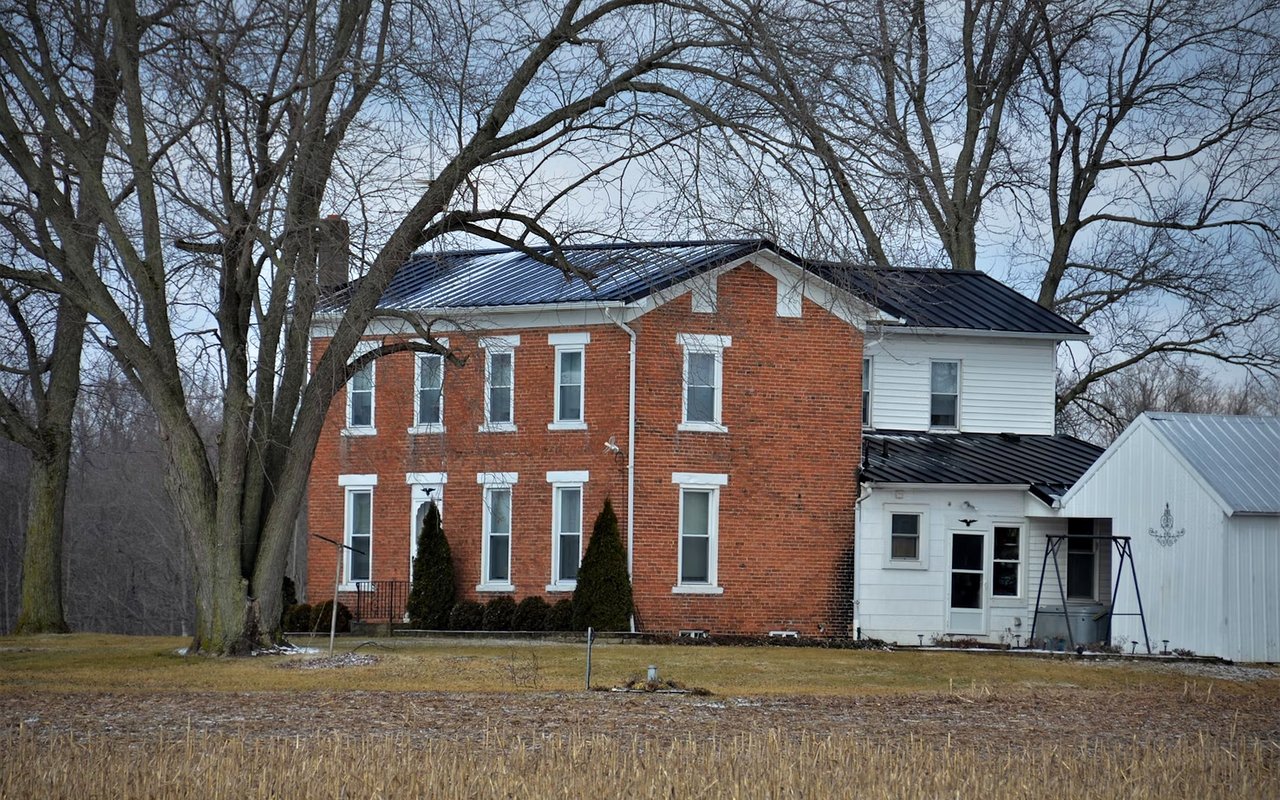
In Barrington Hills, “estate home” is more of a local shorthand than a formal property type. In practice, it usually means a single-family home on a large parcel, often with acreage and accessory features that support a more private, land-oriented lifestyle.
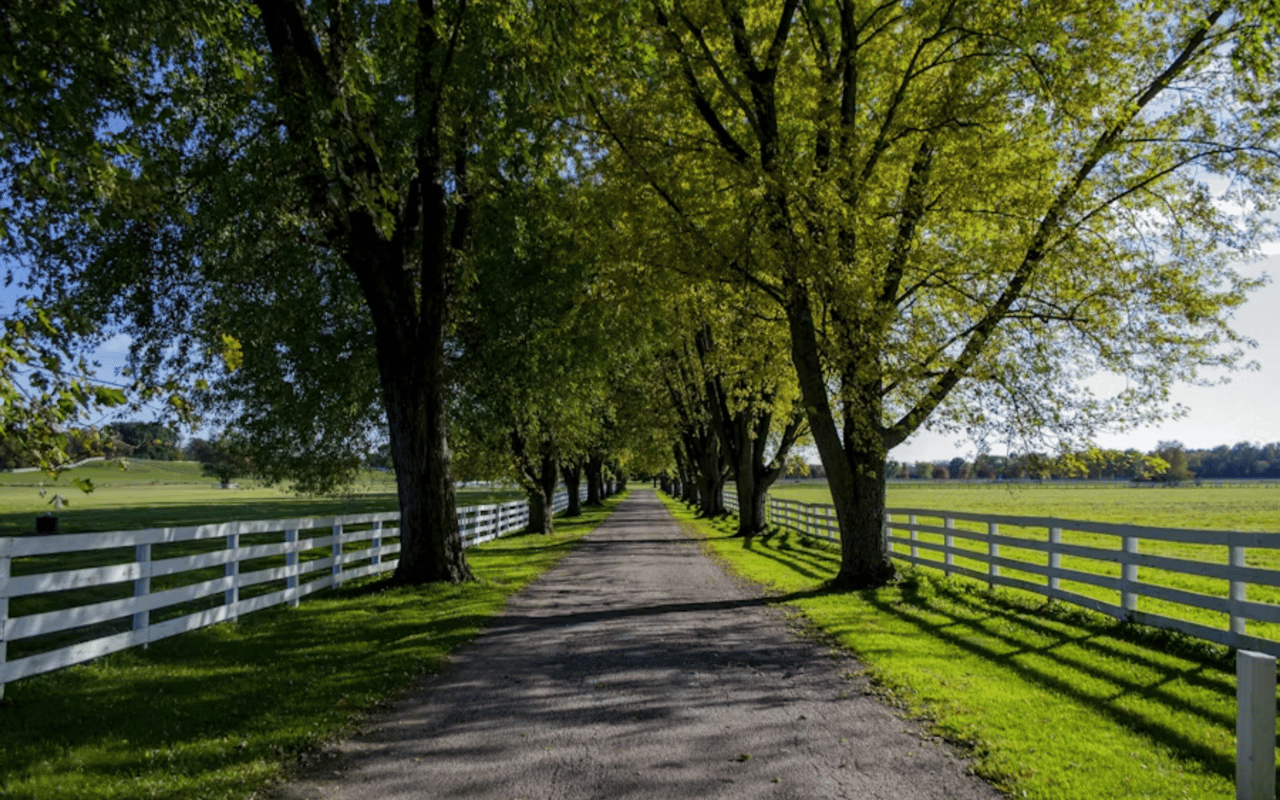
That local context matters. The village notes that most parcels are 5 acres or larger, and its residential code allows accessory uses such as agricultural buildings, garages, guesthouses, stables, swimming pools, tennis courts, and individual sewage and water systems. That gives many properties a broader use profile than homes in more conventional subdivisions.
Why land matters as much as the house
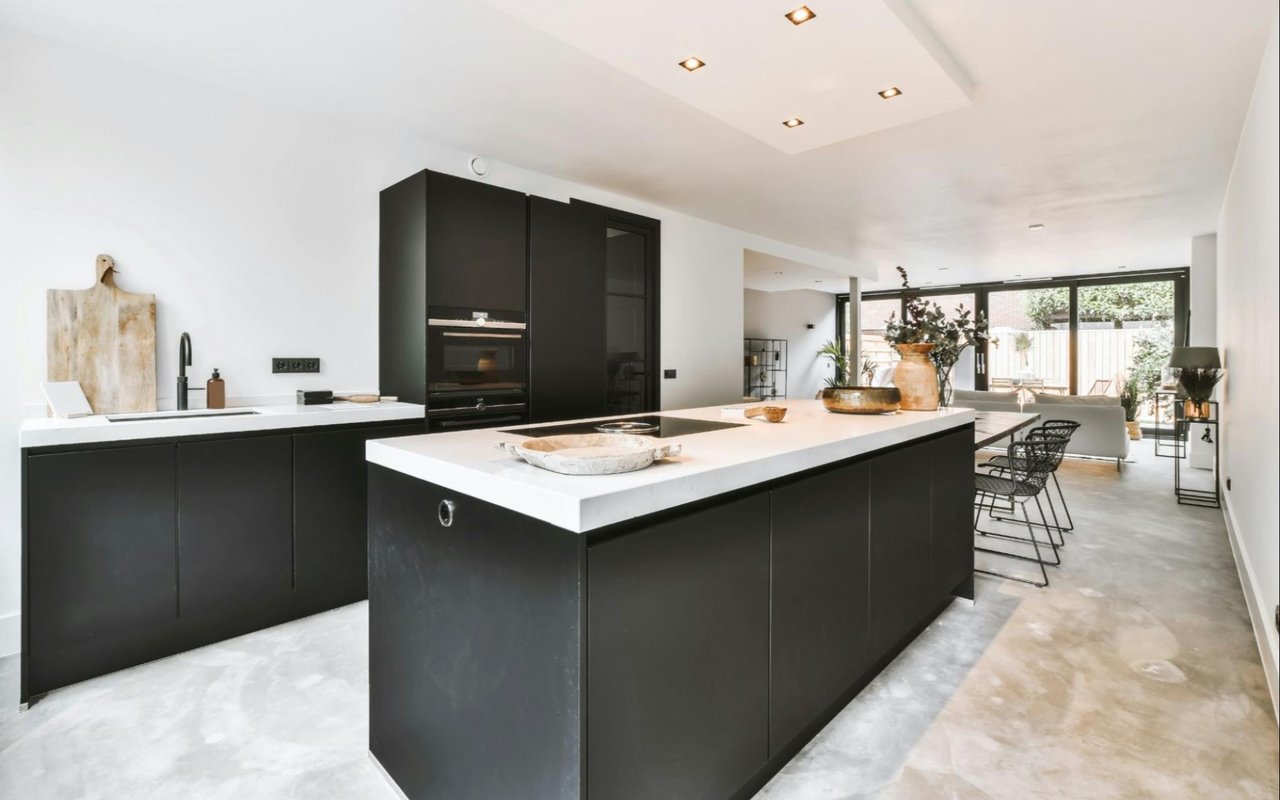
When you tour estate homes in Barrington Hills, it helps to think of the property as two assets in one: the home itself and the site around it. Square footage and finishes still matter, but acreage, layout, privacy, and the condition of the land often have just as much impact on value and usability.
A beautiful home on poorly usable land may not fit your goals. On the other hand, a property with strong acreage, mature trees, good frontage, and well-planned accessory structures may offer more flexibility and long-term appeal, even if the interior needs updates.
Key site features to review
As you compare properties, focus on how the land functions day to day.
- Usable acreage versus land that is restricted or hard to maintain
- Frontage and lot width
- Privacy from roads and neighboring parcels
- Mature trees and overall landscape condition
- Existing barns, detached garages, or guesthouse structures
- Access for larger vehicles, trailers, or service equipment
- Drainage patterns and low-lying areas
Accessory structures and amenities need verification
Many estate properties include features that go beyond the main residence. Pools, sport courts, barns, generators, detached garages, and other improvements can add real value, but only if they were properly approved and fit your plans.
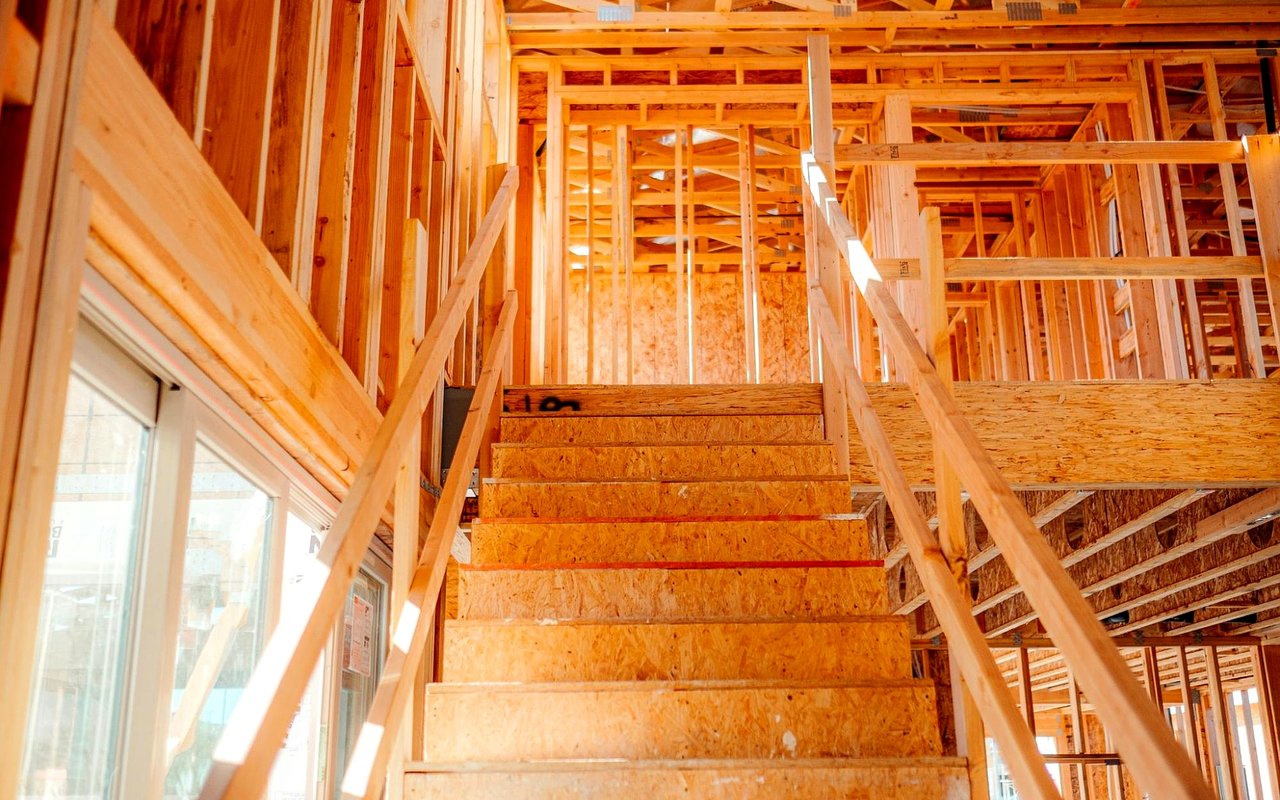
Barrington Hills requires permits for many outdoor and accessory projects, including accessory buildings, pools and spas, sport courts, generators, septic and plumbing work, and zoning certificates. The village also states that construction should not begin until applicable permits and fees are in place, and even smaller structures may still need to meet setback requirements.
Questions to ask before you buy
Before moving forward, make sure you understand what is already on the property and whether it aligns with village requirements.
- Were the existing improvements properly permitted?
- Do current structures meet setback and zoning rules?
- Are there open permits or unresolved issues?
- If you want to add features later, what approvals would be required?
- Does the current survey reflect all major improvements?
Equestrian use is a major local consideration
Barrington Hills is well known for its equestrian character, and the village openly welcomes private horse ownership and private riding trails on residential properties. If horses are part of your vision, that can make this market especially attractive.
Still, you should not assume every large property will support the same equestrian use. The village code permits stables in the R-1 district, and the accessory-use table requires 5 acres for stables in the R1 through R4 districts along with a 300-foot minimum average lot width.
What equestrian buyers should evaluate
If you are considering horse facilities, look beyond whether a barn simply exists. You will want to understand whether the overall setup works in practice and under current rules.
- Barn layout and condition
- Paddock function and drainage
- Trailer access and turning space
- Fence placement and maintenance needs
- Lot width and acreage requirements
- Whether the property supports your intended level of horse use
The village also points property owners to a Horse Facilities Handbook, which is a strong sign that layout and function deserve serious review before you finalize an offer.
Conservation easements can shape what you can do
One of the biggest value drivers in Barrington Hills is open land. Views, preserved surroundings, woods, waterways, and trail access can make a property feel truly special. The village also notes an extensive riding and walking trail network of about 116 miles.
At the same time, preserved land can come with limits. Barrington Hills highlights land preservation and conservation easements as tools that protect open space, habitat, trails, woods, and waterways. BACT also notes that conservation easements run with the land, even when ownership changes.
Why this matters to buyers
A conservation easement is not automatically a negative. In many cases, it helps preserve the landscape qualities that drew you to the property in the first place. But it can affect future plans for additions, outbuildings, land changes, or other site improvements.
That is why you should review any recorded easements early, not after inspections are complete. If your vision includes expanding a barn, adding a court, clearing trees, or changing parts of the site, those restrictions may matter just as much as the house itself.
Water, septic, and private systems deserve early attention
Estate-home due diligence in Barrington Hills should include infrastructure from the start. The village does not provide water or sewer service, and most homes use private wells and septic systems.
That means the condition and maintenance history of those systems can directly affect your ownership experience. The village handles septic plan approvals and installation inspections, and it recommends routine septic pumping and annual well-water testing. The Illinois EPA also recommends that private well owners test at least once a year for bacteria and nitrate.
Infrastructure checklist for buyers
Ask for as much detail as possible before closing.
- Age and service records for the septic system
- Last septic pumping date
- Well location and available test records
- Any history of repairs or replacement work
- Condition of related plumbing or site systems
- Waste and recycling arrangements, which are handled privately
These items may not be as visually exciting as kitchens or primary suites, but they are central to the true cost and ease of ownership.
Permits, surveys, and setbacks matter more here
Because estate properties often include more land and more structures, paperwork becomes especially important. A missing permit, outdated survey, or setback issue can create delays, added costs, or limits on future use.
The village building department requires a plat of survey with permit applications and provides separate applications for items such as watershed development, tree removal, culverts, zoning certificates, generators, EV chargers, solar, and overweight permits for heavy construction traffic. The village also directs property owners to call JULIE 72 hours before excavation work begins.
Review these items before closing
Your pre-closing review should be broad and practical.
- Current survey
- Title review and recorded easements
- Property setbacks
- Permit history for additions and site improvements
- Planned future changes to the home or land
- Any watershed or tree-related restrictions
The village’s tree-preservation guidance also states that a permit is required for Heritage Trees in woodlands, with arborist documentation and a replacement plan. If mature trees are a major part of the property’s appeal, this is worth understanding up front.
Watershed and site restrictions can affect future plans
Not all acreage is equally flexible. In Barrington Hills, watershed conditions can influence what you can build or change on a property.
The village’s watershed ordinance requires permits for development in regulatory floodplains, wetland-impact areas, and certain larger impervious-surface projects. So if you are thinking ahead to a larger driveway, expanded patio areas, new accessory buildings, or other site work, those rules may affect timing, approvals, and total cost.
This is one reason estate-home buyers should avoid making assumptions based on lot size alone. Five acres may sound expansive, but what you can actually do with those five acres depends on the property’s specific conditions and restrictions.
Pricing can vary for reasons beyond size
Barrington Hills pricing can look confusing at first glance, especially if you compare online estimates with asking prices and recent sales. Public snapshots from May 2026 showed an average Barrington Hills home value of about $1,047,917 on Zillow, a median sale price of $1.35 million on Redfin, and a median listing price of $2.0 million on Realtor.com.
Those numbers tell an important story. This is a market with a wide range of property types, conditions, and land characteristics, so price is often driven by far more than interior square footage.
What tends to influence value
In this market, buyers often place strong value on features tied to the site and intended use.
- Acreage and usable land
- Privacy and setting
- Quality and condition of accessory improvements
- Trail access or adjacency to preserved land
- Flexibility for horses or other permitted uses
- Whether the property supports your plans without major new approvals
Market snapshots also showed mixed signals. Redfin reported median days on market of 40 and homes averaging about 1% above list, while Realtor.com labeled the market as a buyer’s market and noted homes selling about 4% below asking. That makes property-by-property analysis especially important.
Build the right specialist team
Estate-home purchases usually require more specialized review than a standard home search. In Barrington Hills, that is especially true because land use, private infrastructure, permitting, and accessory structures can all shape the decision.
A practical team often includes:
- A real estate attorney
- A surveyor
- A septic contractor
- A well contractor or water-testing professional
- An arborist
- An equestrian-facility consultant or barn specialist when relevant
The goal is simple: understand the property you are buying in real-world terms, not just marketing terms. That kind of clarity can protect your budget, your timeline, and your long-term plans.
A smart estate-home strategy starts with the right questions
Buying an estate home in Barrington Hills can be incredibly rewarding if the property fits how you want to live. The privacy, acreage, accessory-use flexibility, and preserved landscape are a big part of what makes this village so distinctive.
The key is to look beyond curb appeal. When you evaluate land, infrastructure, permits, easements, and future-use options with care, you put yourself in a much stronger position to buy well.
If you are considering an estate property in Barrington Hills and want clear guidance from a local team that values communication, education, and hands-on service, the Rob Morrison Team is here to help.
FAQs
What counts as an estate home in Barrington Hills?
- In Barrington Hills, an estate home usually refers to a large-lot single-family property with acreage and features such as accessory buildings, guesthouses, stables, pools, or other land-oriented improvements.
What should buyers check on land in Barrington Hills?
- You should review usable acreage, frontage, privacy, mature trees, drainage, access, accessory structures, and any easements or restrictions that could affect how you use the property.
What should equestrian buyers know about Barrington Hills properties?
- Barrington Hills permits stables in the R-1 district, and the code requires 5 acres and a 300-foot minimum average lot width for stables in the R1 through R4 districts, so horse buyers should verify that a property supports their intended use.
What utilities do Barrington Hills estate homes typically use?
- Most homes rely on private wells and septic systems because the village does not provide water or sewer service.
Why are permits important when buying in Barrington Hills?
- Permit history matters because many improvements, including accessory buildings, pools, sport courts, generators, septic work, and some tree removal or watershed-related work, may require village approval.
How is pricing different for estate homes in Barrington Hills?
- Pricing is often influenced by acreage, privacy, usable land, accessory improvements, and future-use flexibility, not just interior size or finishes.