Wondering how to sell a historic home in Barrington without losing time, value, or peace of mind? You are not just selling square footage. You are selling architecture, craftsmanship, and a home with a story, while also navigating local historic rules that can affect timing, updates, and buyer expectations. In this guide, you will learn how to position your home, prepare the right documentation, and market its character with confidence. Let’s dive in.
Understand Barrington’s Historic Context
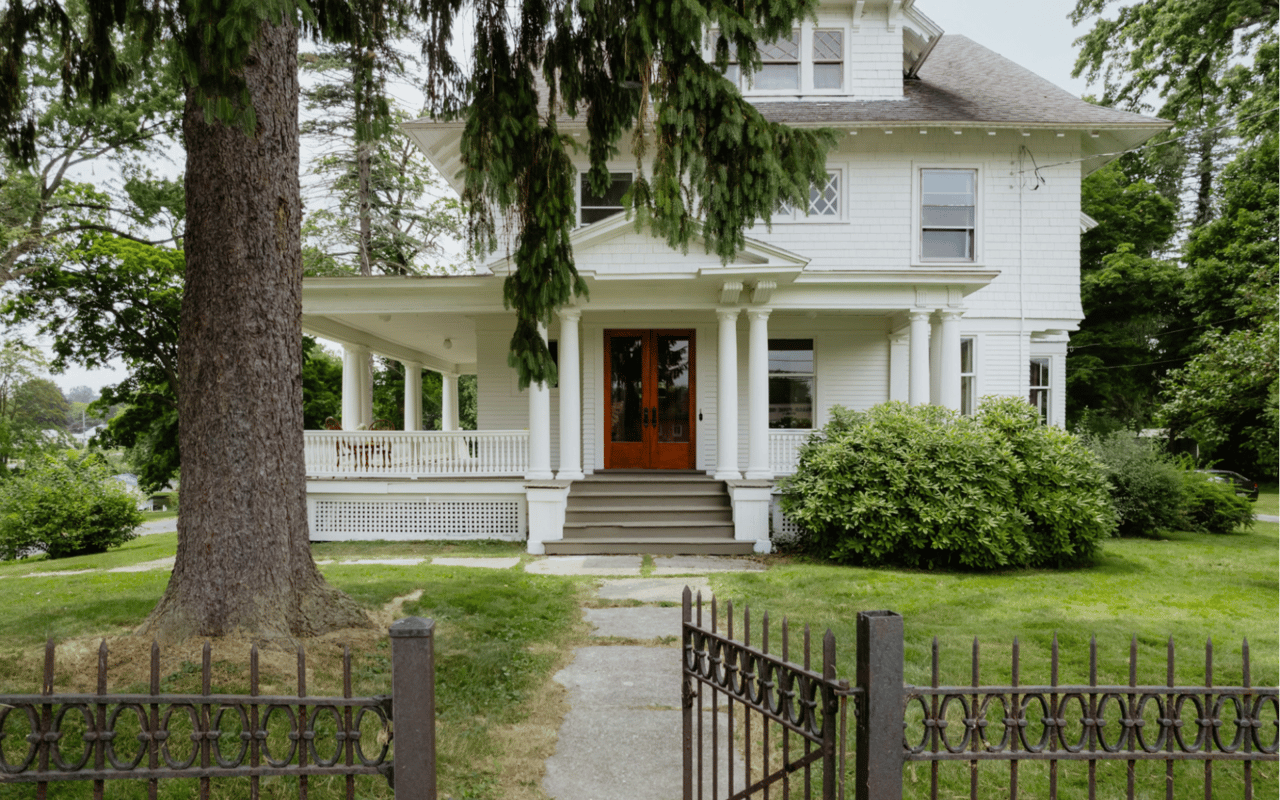
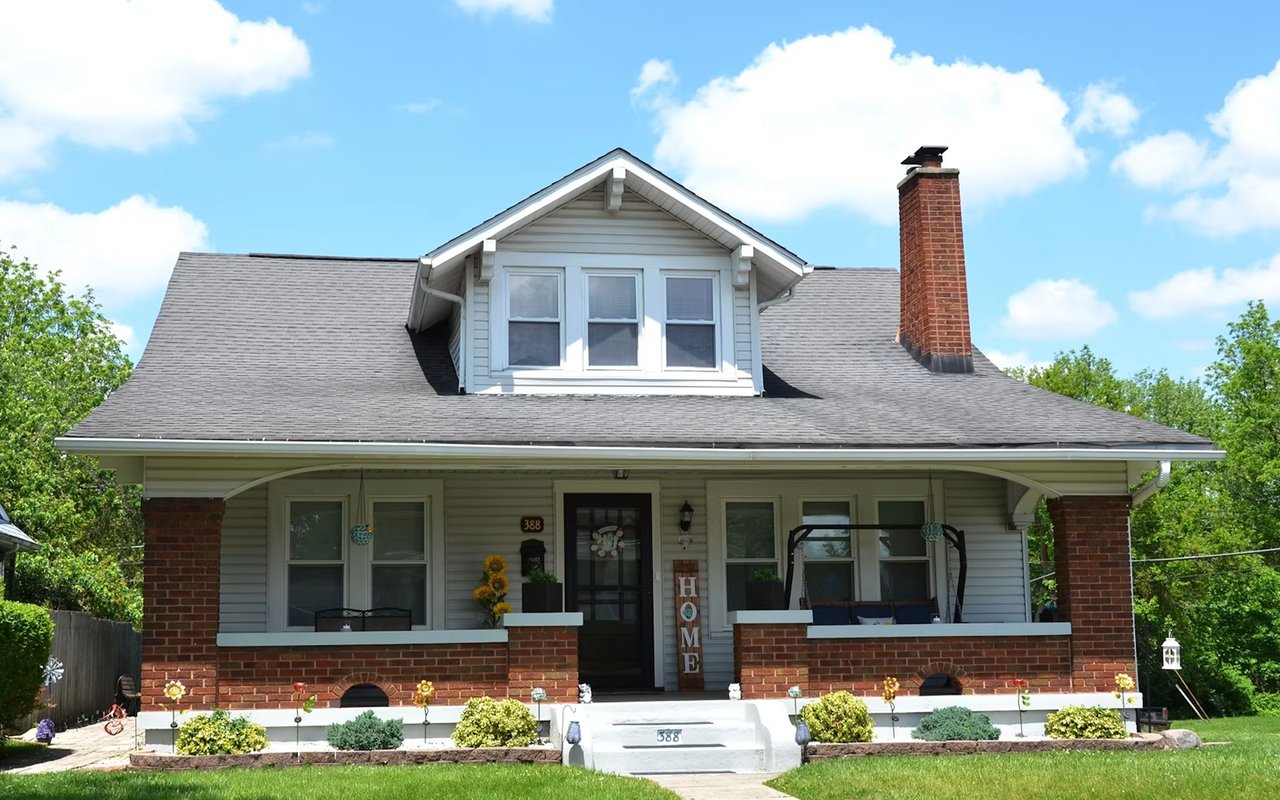
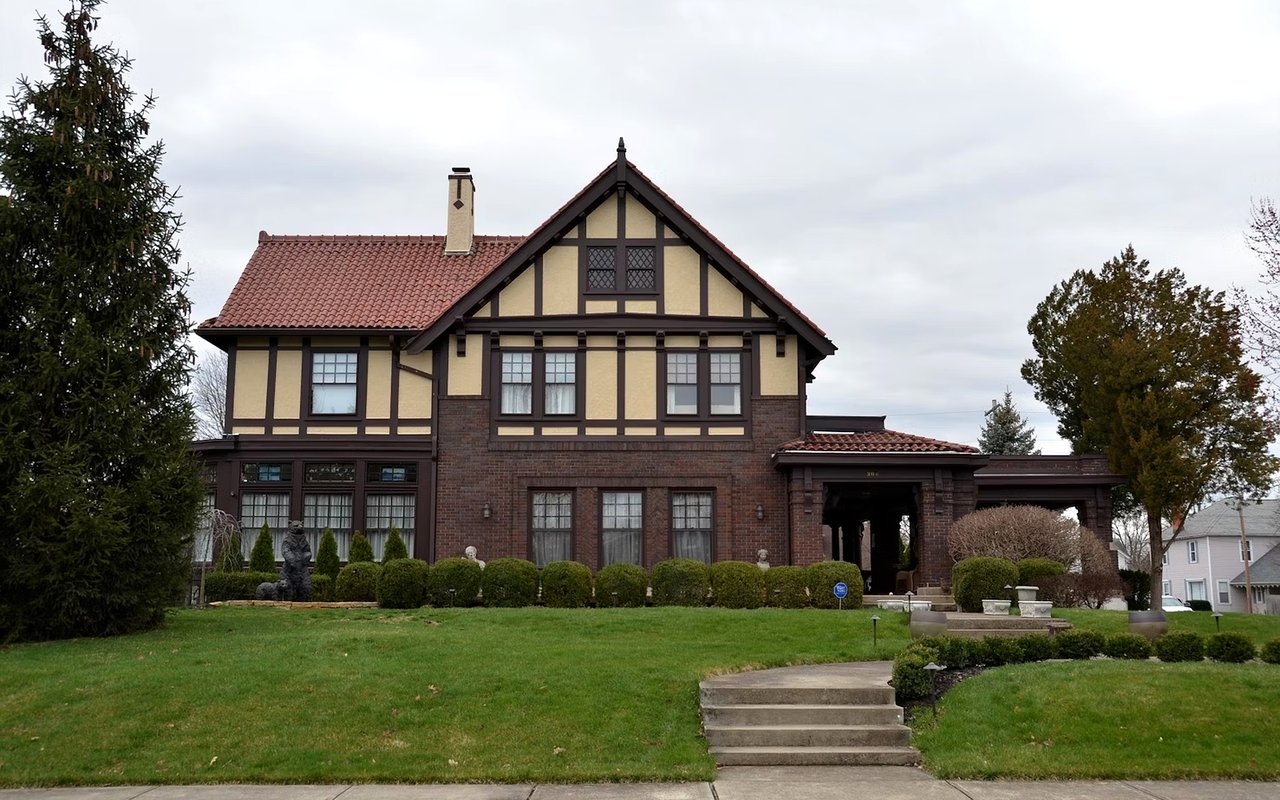
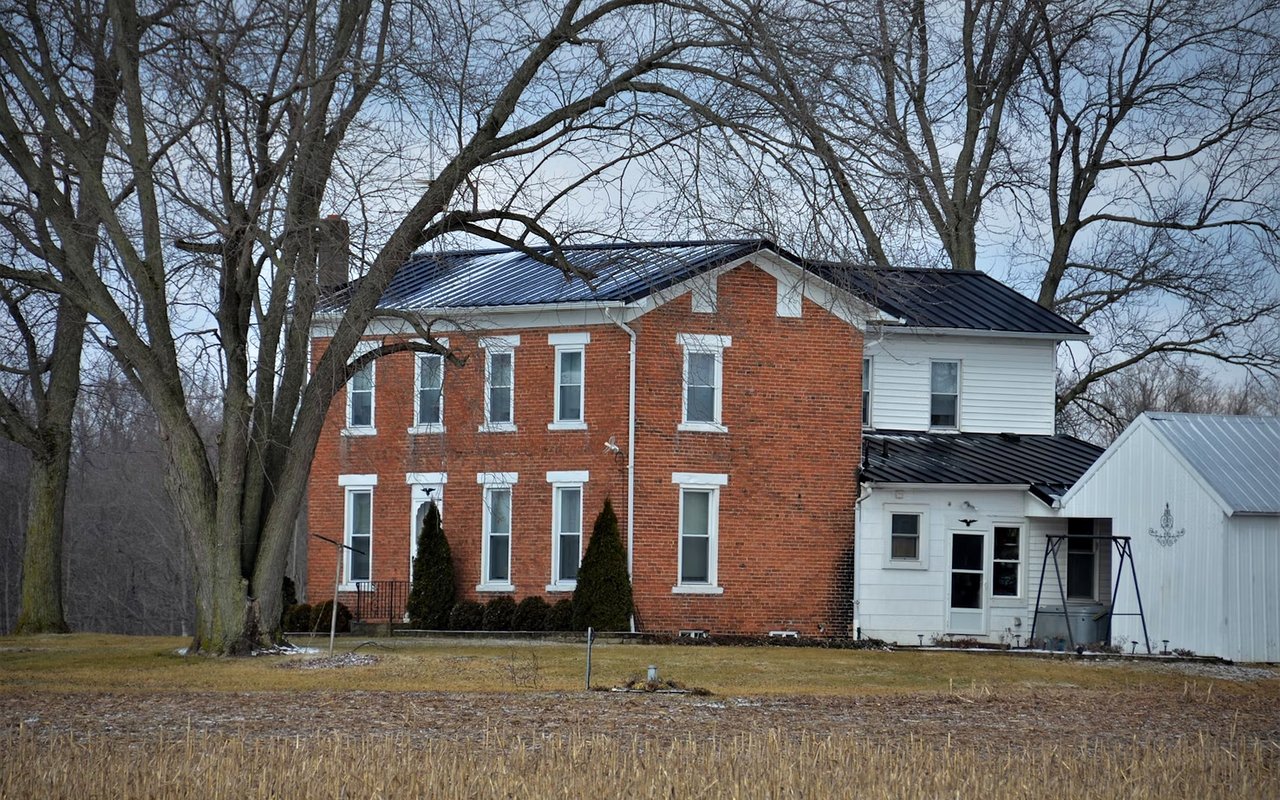
If your home is in Barrington’s Historic Overlay District, you are part of a well-defined and recognized local district with more than 350 properties. Most contributing structures were built between 1880 and 1939, and the area includes styles such as Folk, Craftsman, Victorian, Queen Anne, Tudor Revival, Colonial Revival, and Italianate. The district is also listed on the National Register of Historic Places.
That matters when you sell because buyers often care about both the home itself and the protections that help preserve the area’s architectural character. The Village created the overlay to protect historic, architectural, and cultural significance, while also enhancing the district’s appeal and property values. For a seller, that creates both an opportunity and a responsibility.
Know what the Village reviews
In Barrington’s Historic Overlay District, exterior modifications generally require Architectural Review Commission approval and a Certificate of Appropriateness before a building permit can be issued. The Village says ARC review generally takes 60 to 90 days. If you are thinking about exterior work before listing, this timeline should be part of your plan.
Not every project falls under the same rules. Interior work is not under ARC jurisdiction, exterior paint colors are not regulated, and some minor repairs may not need ARC approval, though permits can still be required. The Village encourages owners to contact historic-district staff early in the design process, which can help you avoid spending money on work that may need adjustment later.
Price for Character and Condition
Historic homes often attract buyers for reasons that newer homes do not. National buyer data shows many people are drawn to older homes because of charm, character, and perceived value. In fact, 47 percent of antique-home buyers said charm and character were the reason they chose their home.
At the same time, buyers usually look closely at condition. Redfin reported that the typical U.S. home bought in 2024 was 36 years old, and homes more than 30 years old sold for 15 percent less than the median home price, in part because buyers weigh aging systems, energy efficiency, and maintenance costs. That is why pricing a historic Barrington home needs balance.
What buyers may pay for
When your home has preserved original details and documented upkeep, those strengths can support its value. Buyers may respond well to features like:
- Original millwork
- Fireplaces
- Staircases with period detail
- Distinctive windows
- Covered porches
- Recognizable architectural style
- Thoughtful updates that respect the home’s design
What may affect pricing
Historic appeal does not erase practical concerns. Buyers may price in risk if they see:
- Deferred maintenance
- Older roofing, HVAC, plumbing, or electrical systems
- Unclear permit history
- Exterior changes without documented approvals
- Updates that do not match the home’s original design
The strongest pricing strategy usually reflects both preserved character and documented condition. In Barrington, that combination often matters more than age alone.
Anticipate Likely Buyer Profiles
Today’s buyer pool for a historic home is often more selective, but also more motivated. National data suggests the market has tilted toward buyers with stronger finances. First-time buyers made up 21 percent of the market, all-cash purchases averaged 26 percent, and more than half of repeat buyers used proceeds from a prior sale.
For a Barrington historic listing, that can translate into a few likely audiences. You may attract repeat buyers with equity, cash-capable households, and buyers in Older Millennial or Gen X age groups who want a distinctive home with architectural personality. These buyers are often willing to pay for the right property, but they usually expect clear information and a realistic price.
Build a Strong Pre-Listing Packet
One of the best ways to reduce friction during showings, inspections, and negotiation is to prepare your paperwork before your home goes live. Historic-home buyers tend to ask detailed questions, and Barrington’s local review structure makes documentation especially valuable. If you can answer questions early, you help buyers feel more comfortable moving forward.
A strong pre-listing packet can also show that your home has been carefully maintained over time. That helps support the story you are telling in the marketing.
Documents to gather before listing
Try to organize:
- Building permits
- Certificates of Appropriateness
- Invoices for repairs and improvements
- Warranties for major systems or appliances
- Prior inspection reports
- A simple timeline of repairs, replacements, and updates
Because exterior alterations in the district are reviewed and documented through the Village process, these records can carry extra weight. They can help buyers understand what was changed, when it was done, and whether the work followed local requirements.
Use Barrington’s survey data to your advantage
Barrington’s historic survey database includes helpful property-level details such as approximate construction date, architectural style, contributing or noncontributing classification, and distinctive features. Those details can help shape your listing description and support your disclosure package.
This is important because not every older house is treated the same way. Contributing status, noncontributing status, and prior approvals all matter. The more clearly you can show what was original, what was repaired, and what was approved, the stronger your position may be during buyer due diligence.
Prepare the Home Without Overdoing It
When you sell a historic home, presentation should clarify the architecture, not compete with it. National staging data shows that 83 percent of buyers’ agents said staging made it easier for buyers to envision a property as their future home. The same report found that listing photos were highly important to 73 percent of buyers’ agents, with videos and virtual tours also playing an important role.
That means visual presentation is not optional. It is part of how buyers understand the home’s value before they ever walk through the door.
Focus on the rooms buyers notice most
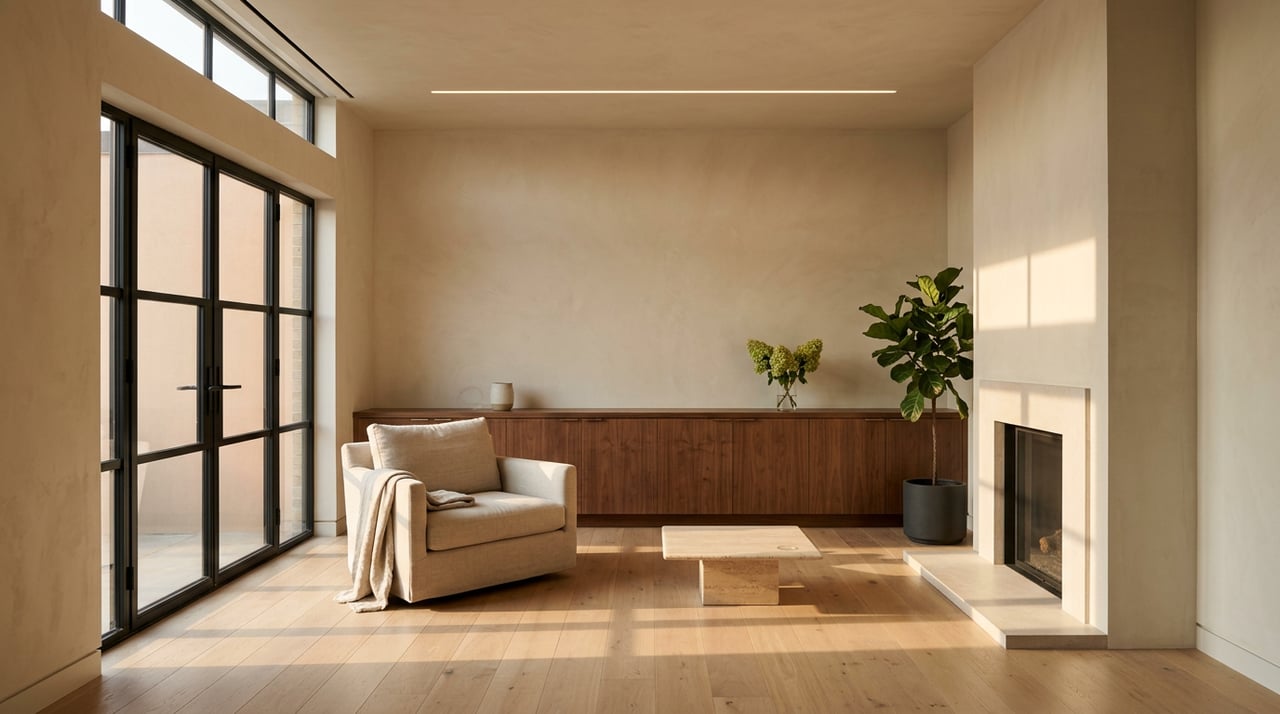
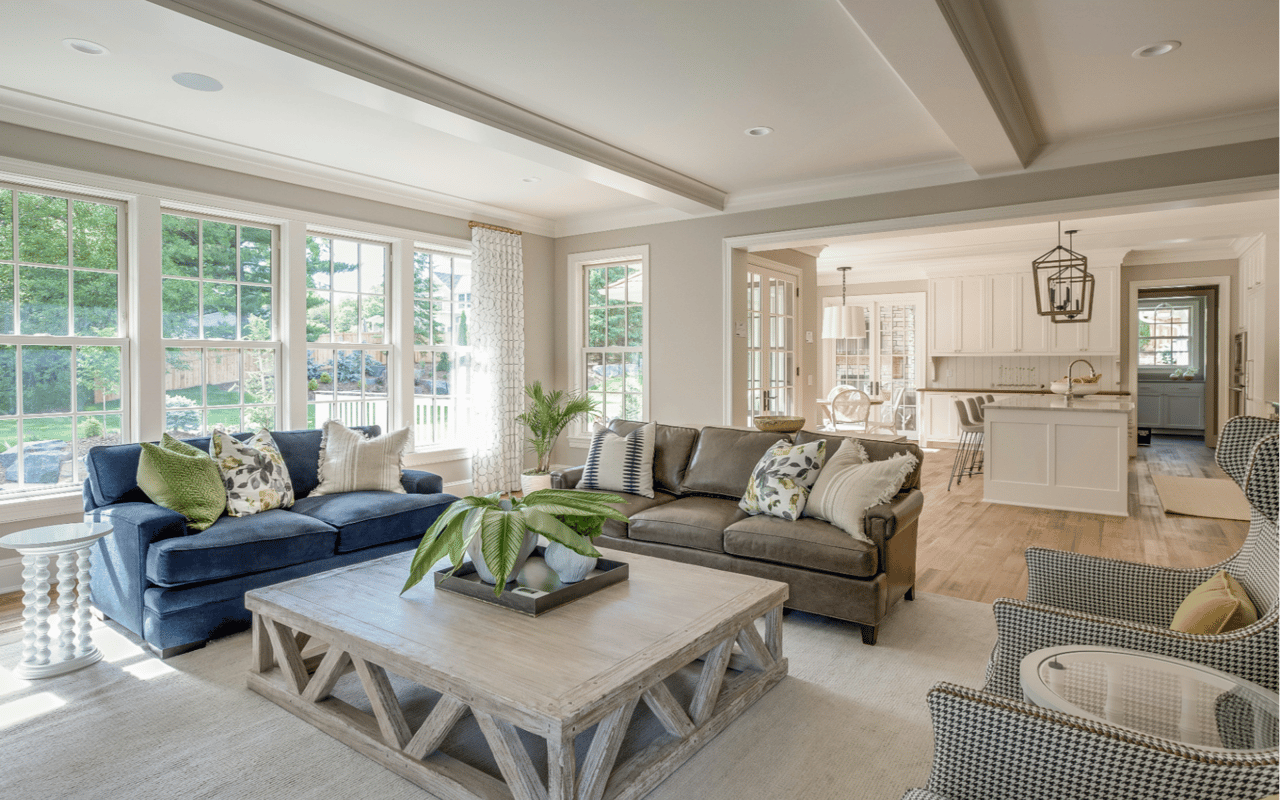
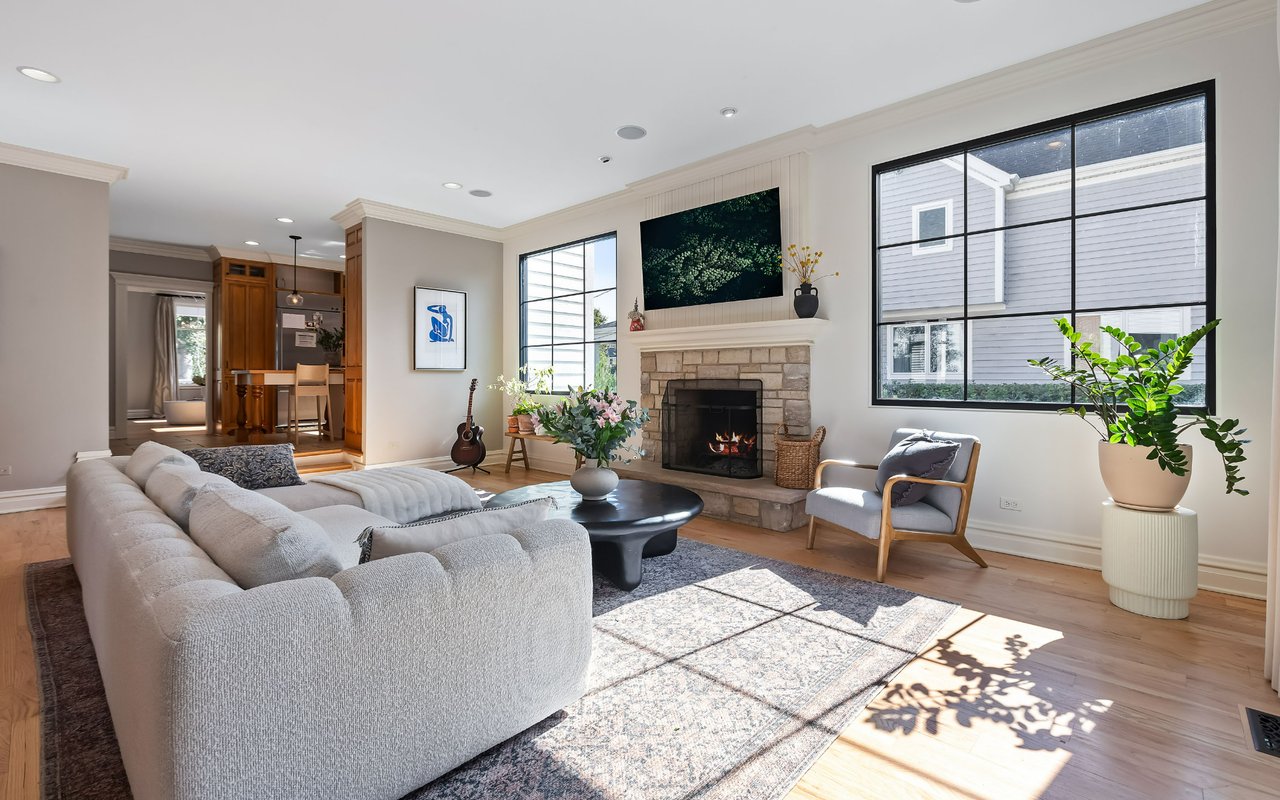
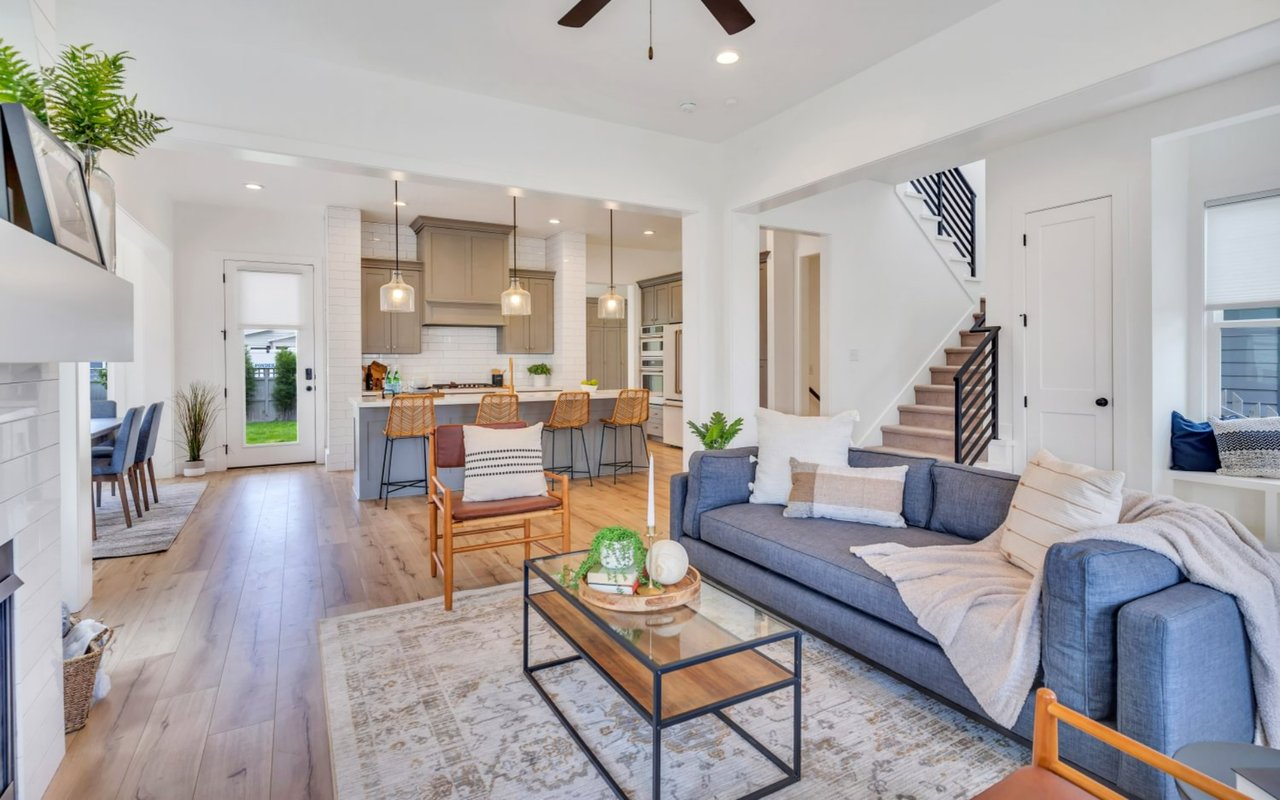
The rooms that matter most in staging are the living room, primary bedroom, and kitchen. Those are also the areas sellers’ agents stage most often. For a historic home, these spaces should feel clean, open, and functional while still letting original details stand out.
Highlight the architecture
In many Barrington historic homes, the goal is to let buyers notice the craftsmanship quickly. That often means emphasizing:
- Original trim and millwork
- Fireplace surrounds
- Stair rails and balusters
- Historic windows
- Front porches
- Built-ins
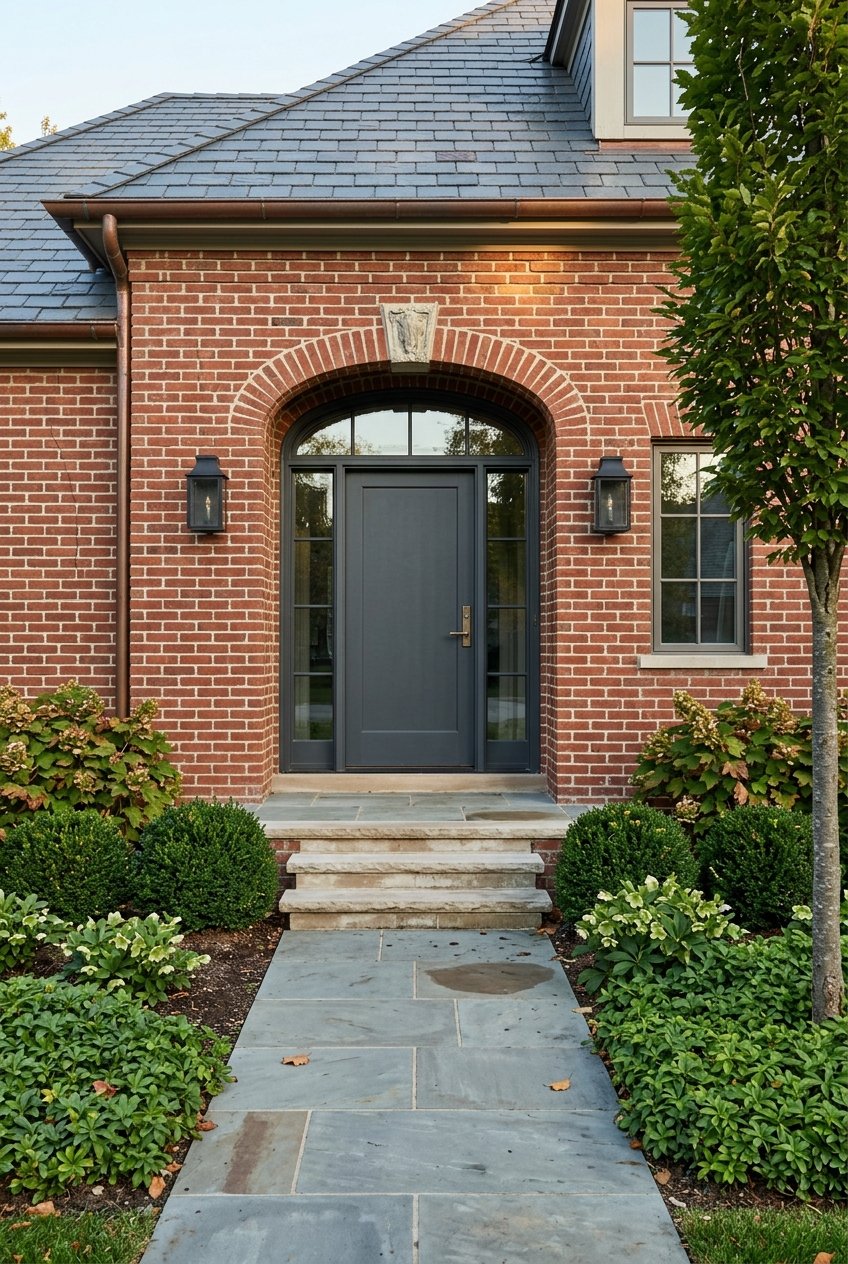
- The home’s streetscape and curb presence
Keep furnishings and decor simple enough that these details remain the visual focus. Historic homes can feel especially compelling when the rooms are edited with care rather than filled to the edges.
Be Careful With Pre-Listing Exterior Updates
It is common to think a few exterior touch-ups will help before listing. Sometimes that is true. But in Barrington’s Historic Overlay District, exterior changes should be checked before work begins.
The Village’s design guidelines allow some updated material replacements when they match the original design, dimension, profile, and texture. At the same time, some window and siding projects are still subject to specific approval and permit rules. If you are considering any exterior refresh, verify the plan first so you do not create delays or documentation issues right before your home hits the market.
Tell a Story Buyers Can Trust
The most effective historic-home marketing usually does two things at once. It captures the emotional value of the home’s character and it backs that up with proof of care. Buyers may fall in love with a wraparound porch or original staircase, but they still want confidence about systems, maintenance, and approvals.
That is why the best position for a Barrington historic listing is often preserved character plus proof of care. When your pricing, presentation, and documentation all support that message, buyers can see both the beauty and the practicality.
Consider the Illinois Tax Freeze Question
If you completed qualifying rehabilitation work on a historic, owner-occupied principal residence, you may want to understand the Illinois property tax assessment freeze program. According to Illinois SHPO, the freeze can apply after sensitive and substantial rehabilitation, with an eight-year freeze followed by a four-year step-up period. The Village notes that Barrington’s Certified Local Government status is one reason local properties can participate.
This will not apply to every seller, and buyer eligibility will depend on the property and program requirements. Still, if your home has approved rehabilitation history, it may be useful to gather that documentation so you are prepared for buyer questions.
Why Local Guidance Matters
Selling a historic home in Barrington is different from selling a typical suburban property. You need a pricing strategy that respects the home’s age and condition, a marketing plan that shows its architecture well, and a clear understanding of local historic review rules. Small details can affect timing, buyer confidence, and negotiation.
That is where experienced local guidance makes a difference. The right strategy can help you present the home honestly, answer buyer questions clearly, and bring its unique strengths to the surface from day one.
If you are preparing to sell a historic home in Barrington, the Rob Morrison Team can help you build a smart plan around pricing, presentation, documentation, and timing.
FAQs
What is the Historic Overlay District in Barrington?
- Barrington’s Historic Overlay District includes more than 350 properties and was created to protect the area’s historic, architectural, and cultural significance while enhancing appeal and property values.
Do exterior changes to a Barrington historic home need approval?
- In general, exterior modifications in the Historic Overlay District require Architectural Review Commission approval and a Certificate of Appropriateness before a building permit can be issued.
How long does Barrington ARC review usually take?
- The Village says ARC review generally takes 60 to 90 days, so it is wise to plan ahead if you are considering exterior work before listing.
Are interior updates regulated in a Barrington historic home?
- No. The Village states that interior work is not under ARC jurisdiction, though permits may still be required depending on the project.
What documents should you gather before selling a historic home in Barrington?
- It is helpful to collect permits, Certificates of Appropriateness, invoices, warranties, inspection reports, and a simple timeline of repairs and replacements.
How should you stage a historic home for sale in Barrington?
- Keep the home clean and uncluttered so buyers can focus on architectural details like millwork, fireplaces, staircases, windows, and porches, especially in the living room, primary bedroom, and kitchen.
Can a Barrington historic homeowner qualify for the Illinois property tax assessment freeze?
- Some owner-occupied historic homes may qualify after sensitive and substantial rehabilitation, with an eight-year freeze and a four-year step-up period, based on Illinois SHPO program rules.