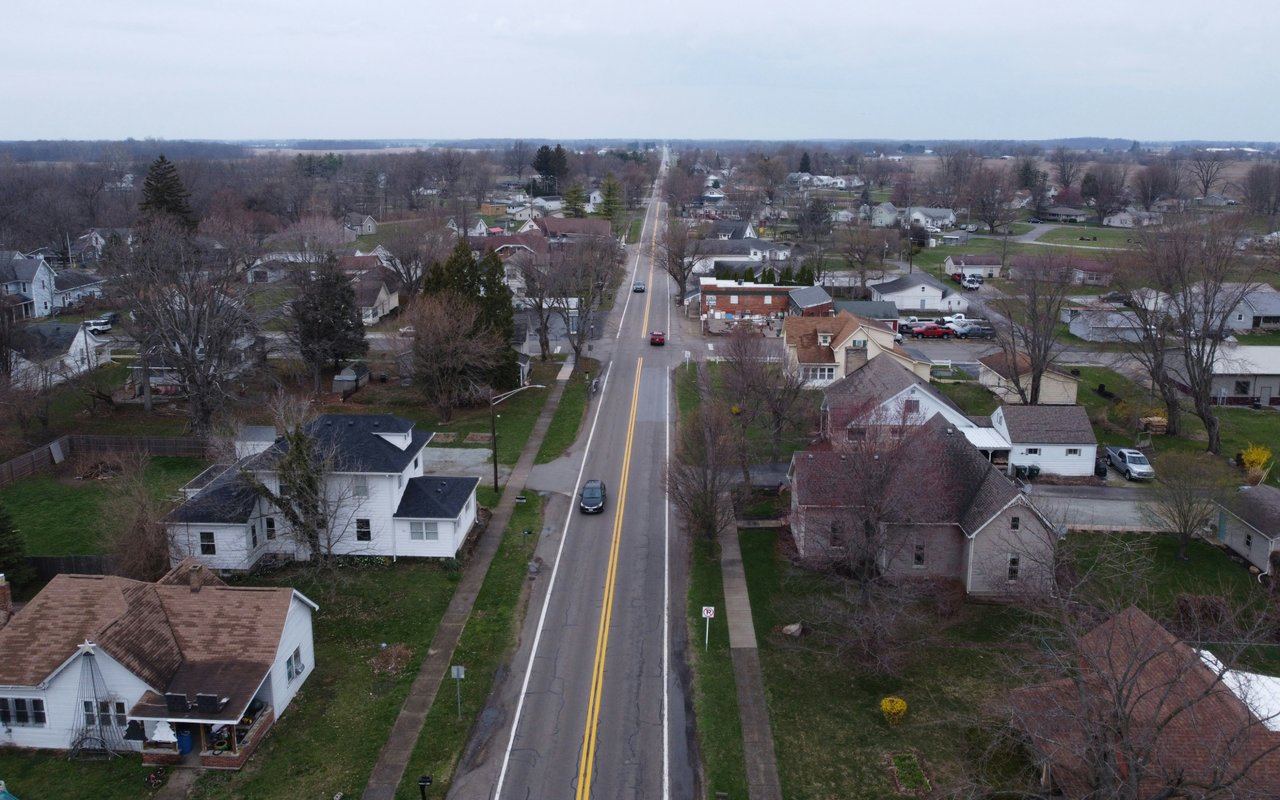
If your workday starts in Chicago, near O'Hare, or somewhere else in the northwest suburbs, where you live in Barrington can shape your routine more than you might think. You want a home that fits your lifestyle, not one that turns every morning into a puzzle of traffic, parking, and train timing. The good news is that Barrington gives you more than one workable path, with rail access, key road corridors, and strong regional connections. Here’s how to think about commuting in Barrington before you buy.
Why Barrington Works for Commuters
Barrington is a historic suburb about 40 miles northwest of Chicago. The Village says the Metra stop sits right in the village center, the train ride to Chicago is about one hour, O'Hare is about 25 miles away, and I-90 intersects Route 59 roughly 6 miles south of the village.
That mix matters because Barrington is not just a train town or just a driving suburb. Your best fit often depends on whether you want easier access to the Metra station or quicker access to major road corridors like Route 14, Route 59, Lake-Cook Road, Barrington Road, and I-90.
Metra Commute to Chicago
For many buyers, the biggest question is simple: Can you realistically commute from Barrington to downtown Chicago? Based on Village and Metra information, yes.
Barrington is on Metra’s Union Pacific Northwest line, which runs between Ogilvie Transportation Center and Harvard. Barrington is fare zone 4, the station is marked accessible, and the station page says it is generally open Monday through Friday from about 5 a.m. to 10 p.m.
What the train option offers
If you work in or near downtown Chicago, the Metra station gives you a real daily commuting option. The Village specifically describes Barrington as offering convenient access to Chicago for business and entertainment, which supports its long-standing appeal for buyers who want suburban living without giving up city access.
The station also offers daily and long-term commuter parking. That can help if you plan to commute a few days a week rather than every day.
What to plan for with Metra
Even in a commuter-friendly town, rail commuting is not fully automatic. Metra advises riders to use its trip planner or schedules tool because times vary by day, timetable times are departure times, and some trips may involve CTA or Pace connections.
In practical terms, that means your total commute is more than the train ride itself. You should also think about your drive or walk to the station, parking, and how much timing flexibility you want on a typical workday.
Driving from Barrington
If your work takes you around the suburbs or you need more flexibility than a train schedule allows, Barrington can also work well for drivers. The Village identifies the main commuter roads as Northwest Highway/US 14, Hough Street/Route 59, Lake-Cook Road/Main Street, and Barrington Road.
Those corridors connect Barrington to the broader northwest suburban road network. Once you reach I-90, the Village notes that you can access multiple interstate highways and travel throughout the region.
Why I-90 access matters
The Illinois Tollway identifies Barrington Road as an I-90 interchange. For commuters, that gives Barrington a useful link to major employment areas beyond Chicago, including destinations across the northwest suburbs.
This is especially important if your job is not in a traditional downtown office. If you commute to office parks, medical campuses, industrial centers, or airport-related jobs, highway access may matter more than rail access.
Barrington and O'Hare commutes
The Village says O'Hare is about 25 miles away. That makes Barrington a realistic option for some households with work tied to the airport or the surrounding business corridor.
Your daily experience will still depend on departure time, route choice, and where your home sits within Barrington. Still, the airport distance is close enough that many relocating professionals will want to keep Barrington on their shortlist.
Where You Live in Barrington Matters
One of the biggest mistakes buyers make is judging a town by one commute pattern. In Barrington, micro-location matters.
The Village serves as the hub of the broader 90-square-mile Barrington area, so a home’s position relative to the station or the major roads can change your routine in a meaningful way.
Homes near downtown Barrington
If you expect to use Metra often, homes near the village center are usually the easiest fit. Areas near Spring Street, Hough Street, and Main Street tend to line up well for buyers who want simpler access to the station.
That can mean less time spent driving across town before or after your train ride. For hybrid workers, it can also make it easier to mix walkable station access with occasional commuter parking.
Homes near major road corridors
If you drive most days, homes closer to Route 14, Route 59, Lake-Cook Road, or Barrington Road may be more practical. These locations can line up better with faster access to I-90 and to jobs across the northwest suburban commuter belt.
This does not mean one area is better than another. It means the right location depends on whether your routine is train-first, road-first, or a blend of both.
Homes farther from the center
If you are looking at homes farther from downtown Barrington, build extra time into your planning. The Village’s comprehensive plan says the Metra station brings significant traffic to the village center during morning and evening rush hours.
That extra traffic can affect how long it takes to reach the station, especially if you are crossing town during peak times. Buyers should also think about rail crossings and how they could affect a daily route.
Rail Crossings and Traffic Considerations
Barrington is crisscrossed by Union Pacific/Metra and CN railroads. The Village also has project pages related to the Route 14 underpass and pedestrian gate work at Hough, Main/Cook, and Hillside, which shows how rail infrastructure can affect local access patterns.
For you as a buyer, this is less about memorizing project details and more about asking the right questions. When you tour a home, think about your likely route to the station, major roads, school drop-offs, errands, and evening return times.
A smart way to test a commute
Before you commit to a home, try the route at the times you would actually use it. A house that feels convenient at noon on a Saturday may feel very different on a weekday morning.
A short practice run can tell you a lot about turn patterns, crossing delays, traffic near downtown, and how easy it is to reach the station or main roads.
Winter Commuting in Barrington
Winter matters in Barrington, especially if you drive or need to reach the station early. The Village says it clears more than 50 centerline miles of roads.
At the same time, key corridors such as Route 14, Route 59, Lake-Cook Road, and Barrington Road outside village limits are handled by state and county crews. That matters because road conditions and plowing responsibility can vary depending on exactly where you travel.
If winter reliability is a big factor for your household, it helps to understand not only your commute route but also who maintains the roads you rely on most.
Transit Options Beyond Metra
Not every commuter drives alone or rides the train. The Village says Pace suburban bus stops are located in the Village, and township-supported Dial-A-Ride service exists for eligible riders.
These options may not be the main answer for every household, but they can add flexibility. For some buyers, that extra layer of transportation support makes Barrington more workable than it first appears.
How to Choose the Right Barrington Commute Setup
If you are comparing homes in Barrington, keep your search focused on how you actually live. A beautiful home is only part of the decision if the commute needs to work five days a week.
Here are a few useful questions to ask yourself:
- Do you commute mainly to downtown Chicago, O'Hare, or another suburban job center?
- Will you ride Metra daily, a few times a week, or only occasionally?
- Do you want to walk to the station, drive and park, or stay closer to major roads?
- How much schedule flexibility do you need?
- How important are winter road conditions and cross-town travel times?
The answers can help narrow your search quickly. In many cases, the best Barrington home is not just the one with the right layout or finishes. It is the one that supports your daily rhythm with less stress.
A local home search becomes much easier when you match the property to the commute, not just the price range or photo gallery. That is especially true in a market like Barrington, where one address may feel train-friendly and another may be better for drivers.
If you want help comparing commute-friendly areas, evaluating access patterns, or finding a home that fits both your lifestyle and your schedule, the Rob Morrison Team can guide you through the Barrington market with local insight and clear communication.
FAQs
Is Barrington a realistic commute to downtown Chicago?
- Yes. The Village says the Chicago train ride is about one hour, and Barrington is on Metra’s Union Pacific Northwest line to Ogilvie Transportation Center.
Is Barrington better for train commuters or driving commuters?
- Barrington can work for both. Homes near the village center tend to fit Metra riders best, while homes near Route 14, Route 59, Lake-Cook Road, or Barrington Road may work better for drivers.
What should homebuyers know about Barrington Metra parking?
- The Barrington station offers daily and long-term commuter parking, which can be useful if you plan to drive to the station for some or all of your trips.
How far is Barrington from O'Hare Airport?
- The Village says O'Hare is about 25 miles away, which can make Barrington a workable option for some airport-area commuters.
What roads matter most for commuting from Barrington?
- The Village identifies Northwest Highway/US 14, Hough Street/Route 59, Lake-Cook Road/Main Street, and Barrington Road as the main commuter roads.
What can affect cross-town commuting in Barrington?
- Traffic near the village center during rush hours, rail crossings, and access around major corridors can all affect how long it takes to reach the station or regional roads.