If you’re thinking about trading Chicago’s density for more space without losing access to the city, Arlington Heights is likely already on your list. It offers a different pace, a true suburban housing mix, and a downtown anchored by a Metra station that still keeps Chicago within reach. If you want a clearer picture of what changes, what costs more, and how to plan your move well, you’re in the right place. Let’s dive in.
Why Arlington Heights Feels Different
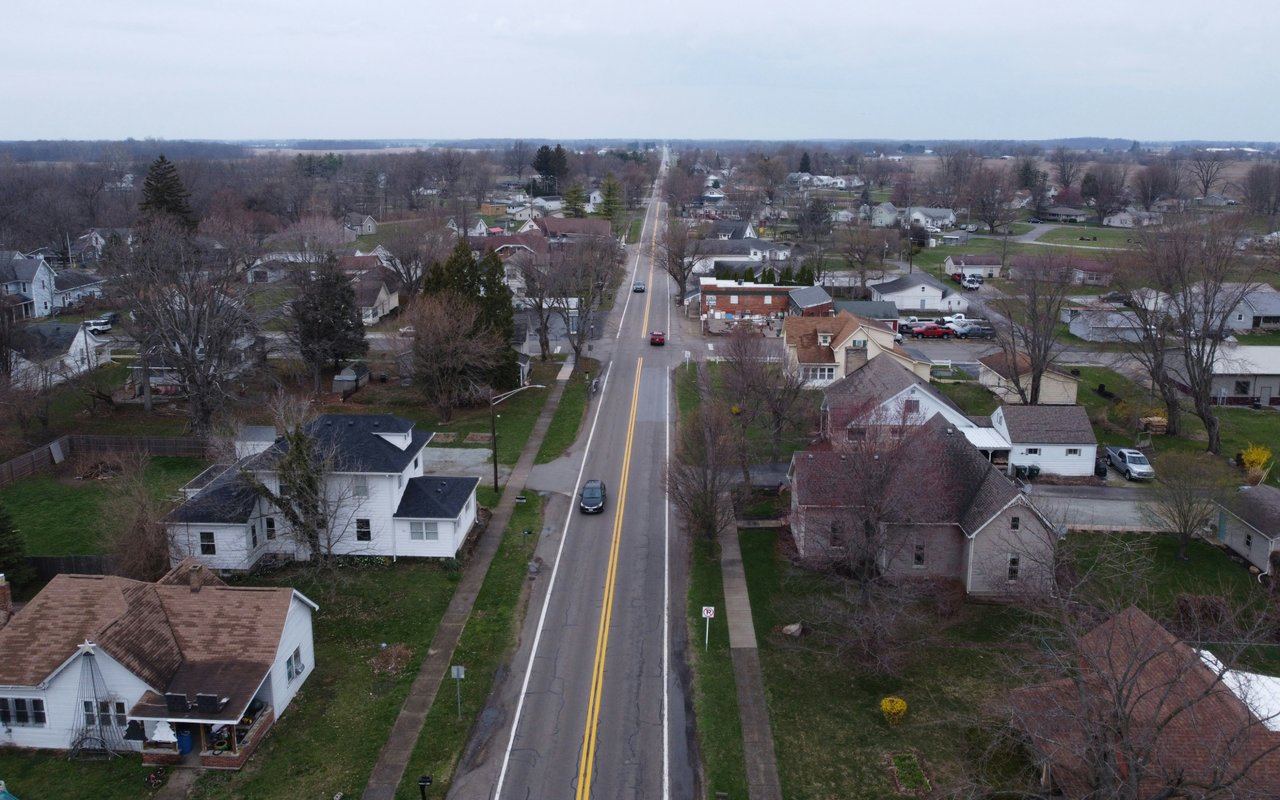
A move from Chicago to Arlington Heights is usually less about leaving the metro area and more about changing how you live day to day. Arlington Heights is much more owner-occupied than Chicago, with 73.3% owner-occupied households compared with 45.5% in Chicago. That points to a more house-oriented market and a more suburban residential pattern.
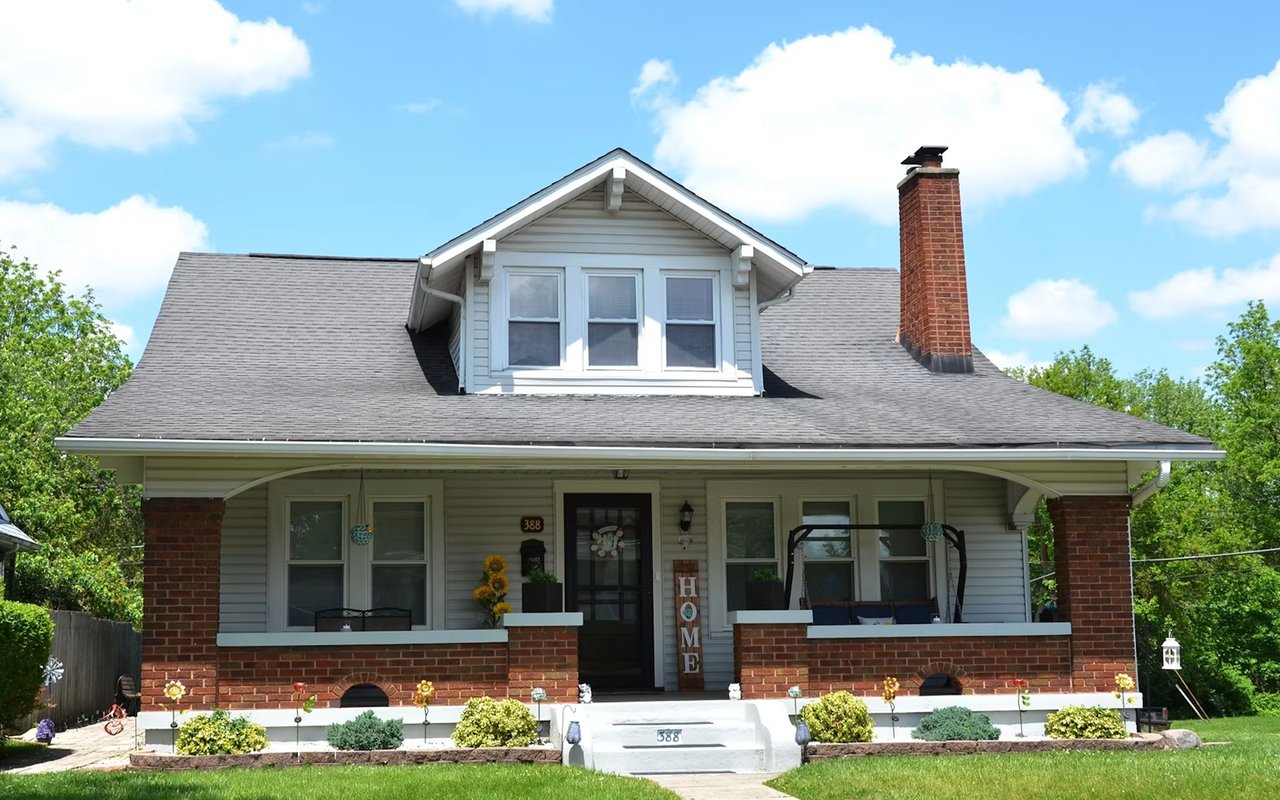
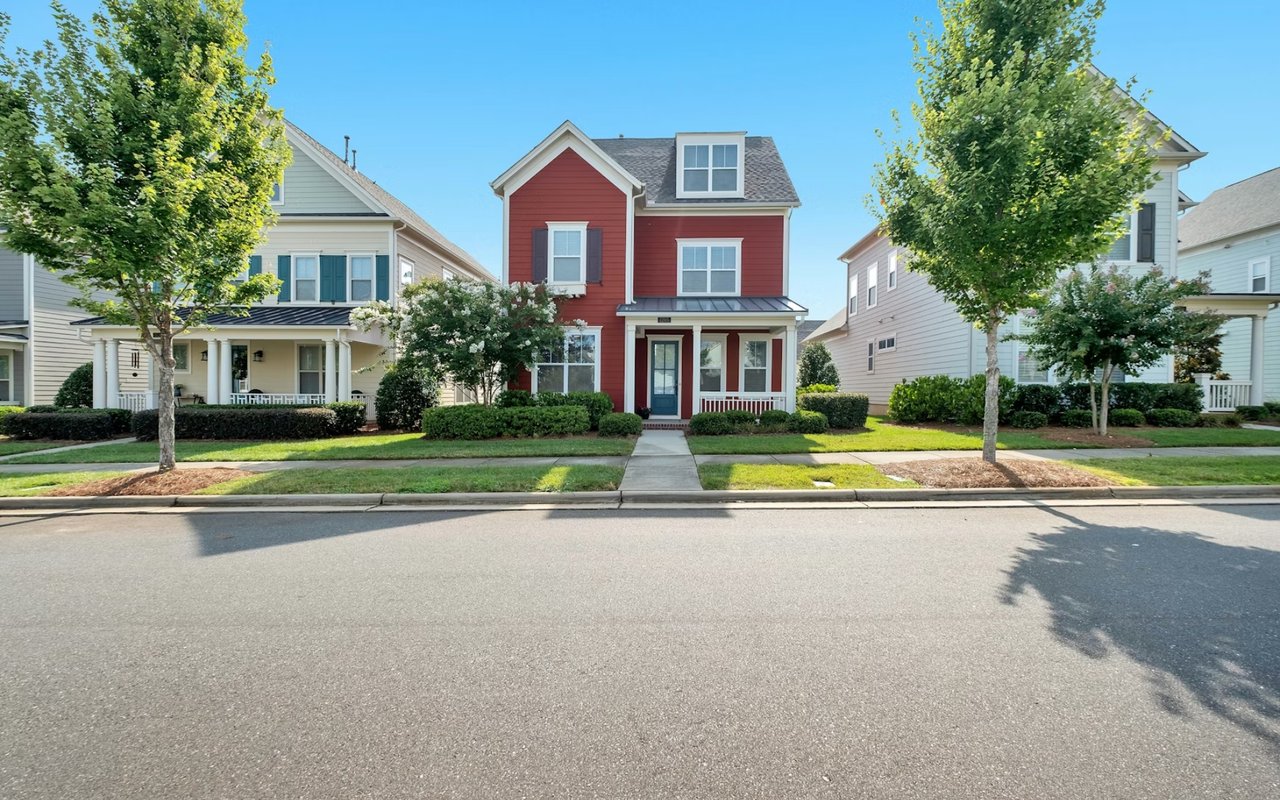
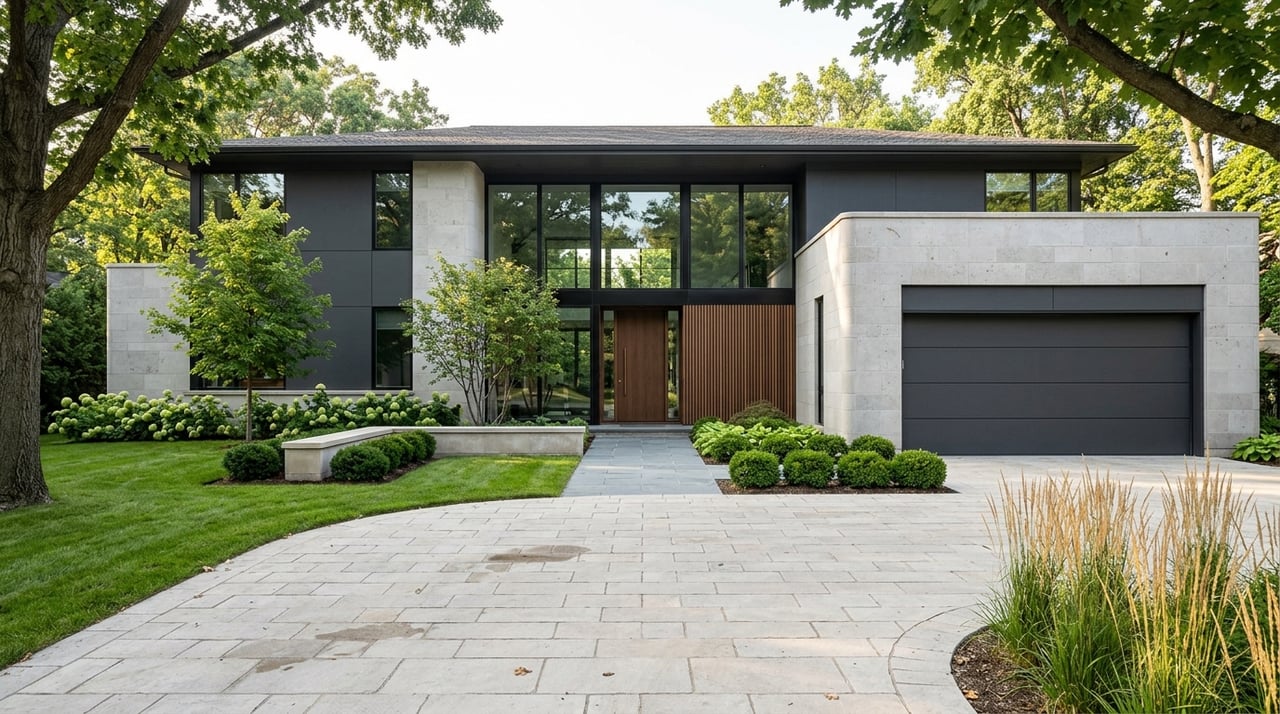
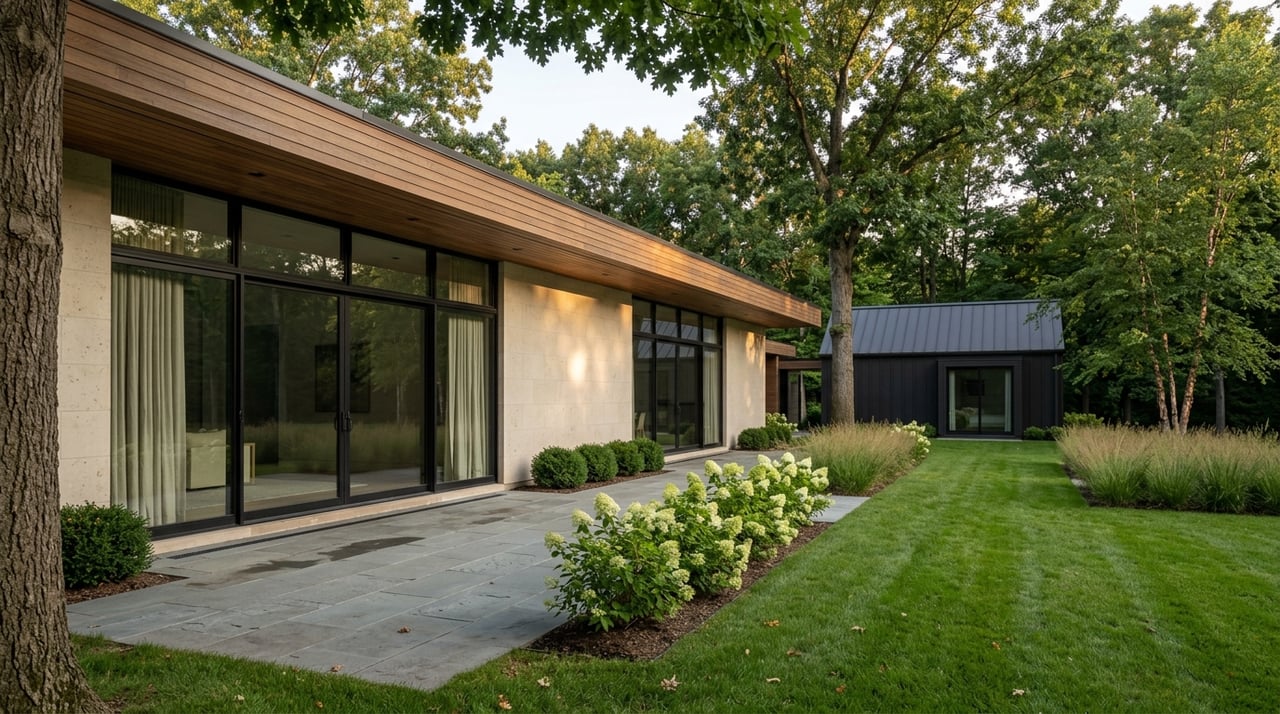
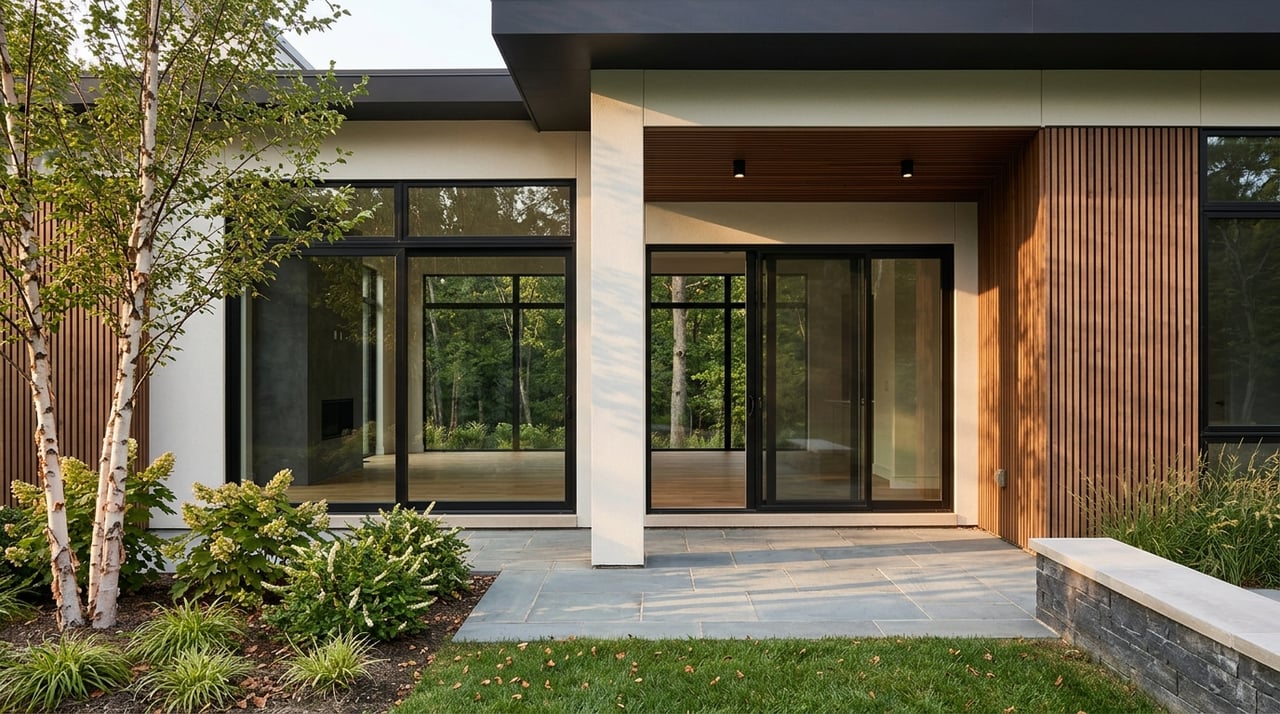
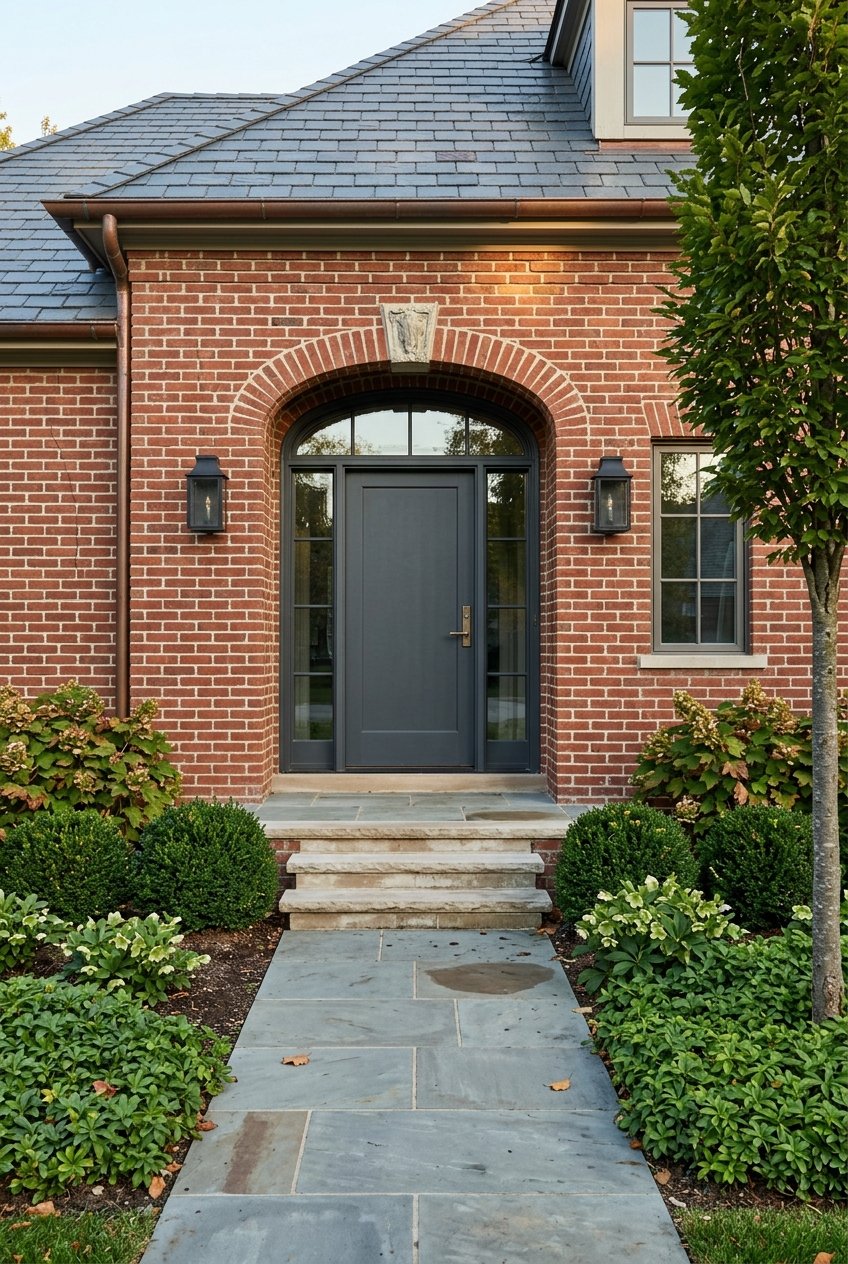
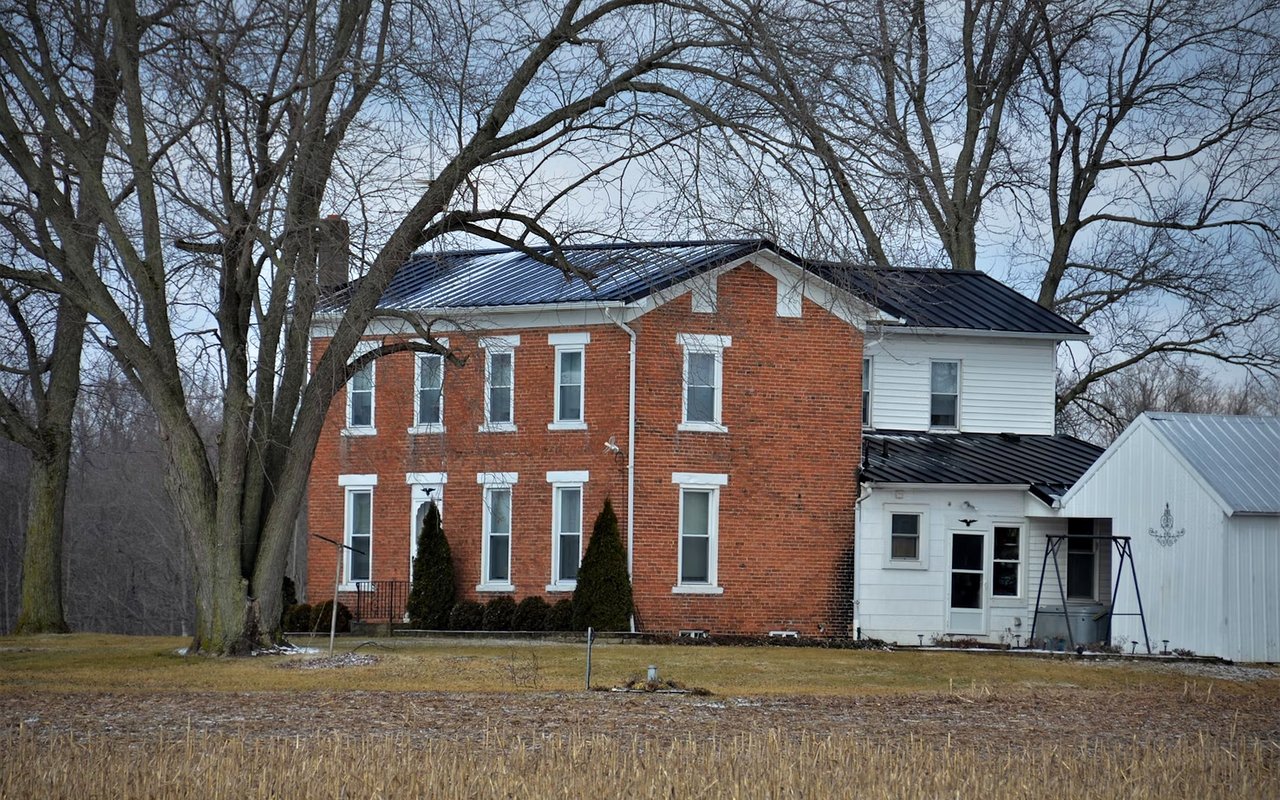
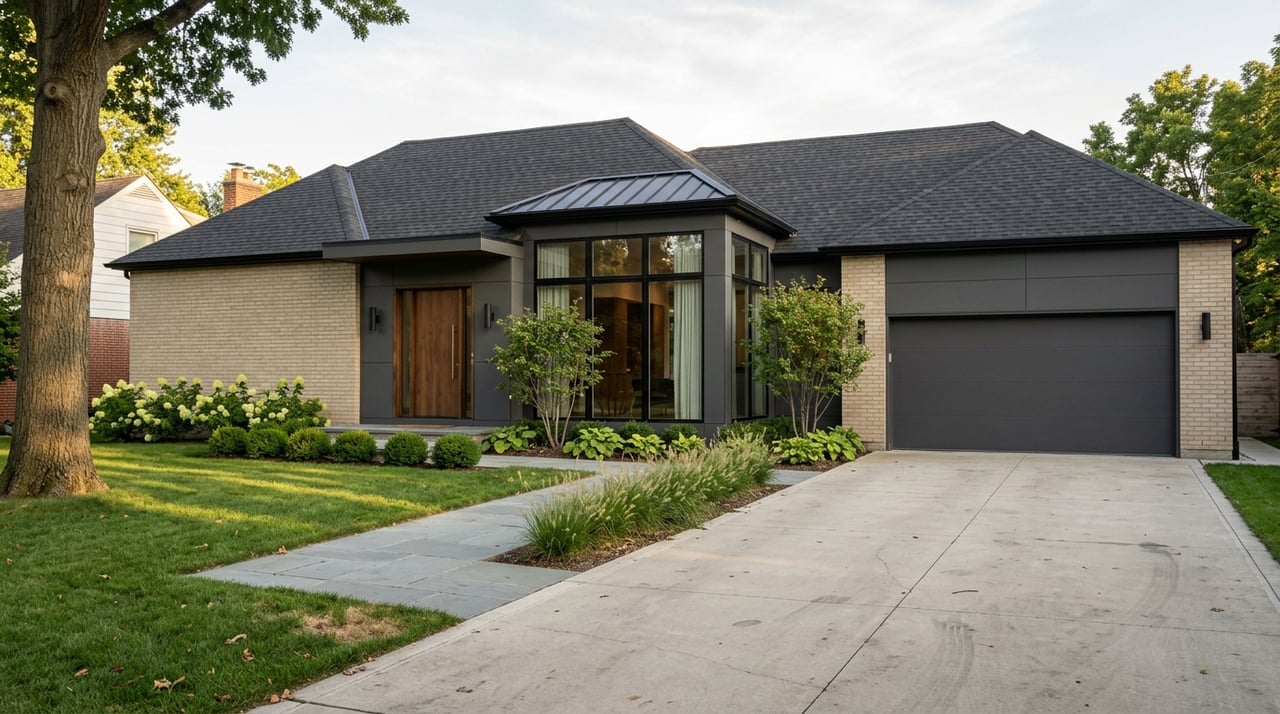
The housing stock also looks different. In Arlington Heights, detached single-family homes make up 53.5% of housing, with another sizable share in buildings with 5 or more units. Chicago, by comparison, has a much more multifamily-heavy mix across condos, apartments, and smaller multi-unit buildings.
For you, that often means more parking, more yard space, and more separation between homes than you may be used to in the city. It can also mean a different routine, especially if your current lifestyle depends on walking everywhere or living without a car.
What Homes Cost in Arlington Heights
One of the biggest surprises for Chicago buyers is that Arlington Heights is currently more expensive than Chicago on a citywide basis. Realtor.com’s May 2026 market summaries show a median listing price of $475,000 in Arlington Heights, compared with $369,000 in Chicago. Median sold prices also come in higher, at $489,000 in Arlington Heights versus $408,500 in Chicago.
That does not mean every home in Arlington Heights costs more than every home in Chicago. It means your budget needs to be grounded in the local suburban market, not citywide assumptions. In both places, homes are moving close to asking price, so pricing and preparation matter.
Arlington Heights is also moving quickly. The median days on market is 20, compared with 29 in Chicago. If you are relocating and waiting to get serious until after you start casually browsing, you may feel behind once you identify the right area and price point.
Neighborhood Pricing Can Vary
In Arlington Heights, the village name alone does not tell the whole pricing story. Realtor.com data shows the Central Business District around a $417,450 median listing price, while Ivy Hill is around $599,450. That is a meaningful spread within the same community.
This is why relocation planning works best when you narrow your search by lifestyle and budget at the same time. If you want rail access and walkability, one area may fit better. If you want a larger home or different lot size, another part of the village may make more sense.
Monthly Costs Matter Too
When you compare Chicago and Arlington Heights, do not stop at purchase price. CMAP reports median monthly owner costs with a mortgage in Arlington Heights at $2,631. Median gross rent is $1,727.
Those numbers are a reminder that your monthly payment picture includes more than the home price. Taxes, insurance, and carrying costs can shape affordability just as much as the list price does.
CMAP also shows that 77.9% of owner households in Arlington Heights are not cost-burdened, while 60.4% of renter households are not cost-burdened. That suggests Arlington Heights has a middle-to-upper suburban cost profile, with affordability varying by home type and location rather than following one simple rule.
Should You Rent First?
For some Chicago movers, renting first can be a practical step. Citywide median rent is lower in Arlington Heights than in Chicago, with Realtor.com reporting $2,164 in Arlington Heights versus $2,369 in Chicago.
If you want time to learn the village, test a commute, or decide what type of home fits your next stage, a short-term rental approach may help you make a more confident purchase later. It can be especially useful if your work schedule or moving timeline is tight.
How the Commute Changes
Arlington Heights gives you direct rail access to Chicago through Metra’s Union Pacific Northwest line. The Arlington Heights station is located at 45 W. Northwest Highway, and the line connects to Ogilvie Transportation Center at 500 W. Madison in downtown Chicago.
That connection is one of the village’s biggest advantages for city relocators. You are not choosing between suburban living and downtown access in an all-or-nothing way. You are choosing a suburb where rail commuting is still part of everyday life for many residents.
At the same time, Arlington Heights is not a car-free environment in the same way parts of Chicago can be. CMAP reports that 62.0% of workers drive alone, 4.3% use transit, and 25.1% work from home. The mean commute time is 27.7 minutes.
Plan for a Mixed Transportation Routine
If you are moving from a Chicago neighborhood where one car or no car worked well, this may be one of the biggest lifestyle adjustments. In Arlington Heights, only 5.3% of households have no vehicle. Meanwhile, 37.5% have one vehicle, 43.0% have two, and 14.1% have three or more.
That does not mean every household needs multiple cars. It does mean Arlington Heights often works best when you are comfortable blending train use with driving, especially for errands, school drop-offs, or activities outside the downtown core.
Metra notes that parking is available at most stations, though it is usually managed by the municipality. If commuting is central to your move, it is smart to test both the train ride and the station parking routine before you commit to a home.
What Daily Life Looks Like
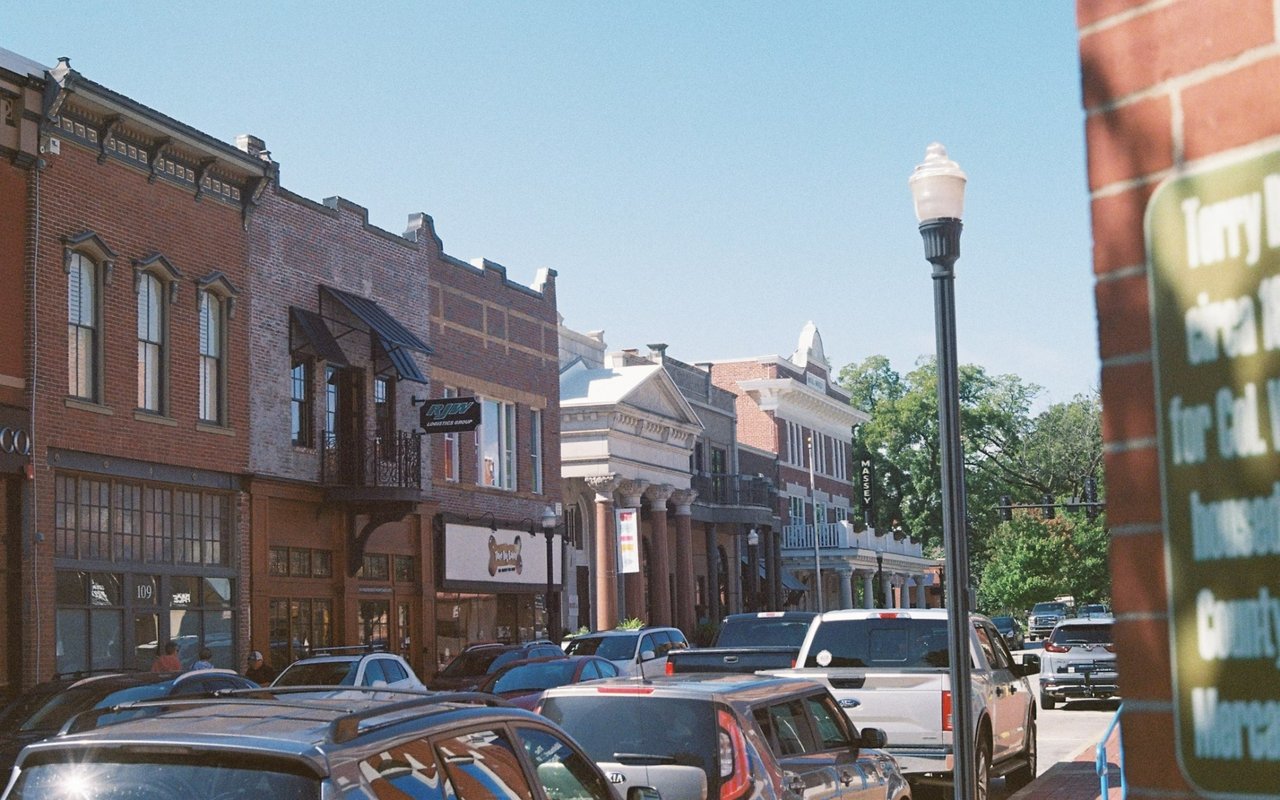
One reason Arlington Heights stands out among suburbs is that it has a real downtown. Village planning documents describe downtown Arlington Heights as the business, cultural, and entertainment heart of the village. It is centered around the train station and functions as a shopping and entertainment area rather than a purely civic district.
The village’s age-friendly plan describes it as a transit-oriented, pedestrian-friendly neighborhood with shopping, restaurants, entertainment, parks, the Metropolis Performing Arts Centre, a Japanese grocery store, quaint shops, and national chains. That mix gives you more built-in activity than you may find in a purely residential suburb.
For many Chicago movers, this becomes the key lifestyle trade. You may give up some of the city’s scale and density, but you still gain an active downtown area that supports dining out, errands, and local events without needing to drive everywhere.
Who Arlington Heights Often Fits Best
Arlington Heights can work well for a range of households, but it tends to appeal most to buyers who want more space while staying tied to the Chicago metro. CMAP data shows that 65.5% of households are family households and 74.0% are owner-occupied. The housing stock remains anchored by detached single-family homes.
In plain terms, that often makes Arlington Heights a strong fit if you want room to grow, a more suburban home layout, or a more ownership-oriented environment. It can also appeal to professionals who want a workable train connection and a downtown district that adds convenience to suburban living.
The key is being honest about your priorities. If your top goal is maximum walkability with minimal car use, your best-fit area within Arlington Heights matters a lot. If your goal is a larger home, more storage, easier parking, or outdoor space, the move may feel like a natural next step.
A Smart Relocation Game Plan
A successful move from Chicago to Arlington Heights usually starts with a simple question: what are you trying to improve in your day-to-day life? Once you answer that, the home search becomes much easier to shape.
A practical approach often looks like this:
- Visit Arlington Heights in person.
- Test the commute to and from Chicago.
- Spend time in downtown and a few target areas.
- Set a realistic monthly budget, not just a price cap.
- Get financing lined up before touring seriously.
- Move quickly once the right home and area come into focus.
That sequence helps you avoid buying based on assumptions. It also helps you compare the convenience of a downtown-adjacent home with the value of a quieter or larger residential setting.
Get Ready Before You Tour Seriously
If you plan to buy, financing prep should happen early. Sellers often want to see that you are ready before they take an offer seriously, and preapproval letters typically expire in 30 to 60 days.
That matters even more in a market where homes are selling in a median of 20 days. You do not need to rush your decision, but you do want your financing and search criteria ready before the right home appears.
Expect a Focused Closing Process
Once your offer is accepted, the process shifts quickly into inspections, insurance, document review, and final loan steps. You will also receive a Closing Disclosure at least three business days before closing.
This stage is where organization matters most. A clear checklist, quick communication, and local guidance can make the difference between a stressful move and a smooth one.
Final Thoughts on Moving From Chicago
Relocating from Chicago to Arlington Heights is often a lifestyle shift more than a geographic one. You stay connected to the region, but your housing options, transportation habits, and daily rhythm can look very different.
If you want more space, a stronger single-family home presence, and a downtown suburb with direct rail access, Arlington Heights offers a compelling mix. The best move usually comes down to matching your budget, commute, and lifestyle goals to the right part of the village.
If you’re planning a move to Arlington Heights or anywhere in Chicago’s northwest suburbs, the Rob Morrison Team can help you compare neighborhoods, understand market timing, and move forward with confidence. Schedule a consultation today.
FAQs
Is Arlington Heights more expensive than Chicago for homebuyers?
- Yes. Realtor.com’s May 2026 data shows Arlington Heights with a $475,000 median listing price and $489,000 median sold price, compared with Chicago at $369,000 and $408,500.
Is Arlington Heights a good option for Chicago commuters?
- It can be, especially if you want Metra access. Arlington Heights is served by the Union Pacific Northwest line, which connects to downtown Chicago at Ogilvie Transportation Center.
Do you need a car in Arlington Heights after moving from Chicago?
- Many households use cars regularly. CMAP data shows most workers drive alone and most households have one or more vehicles, so a mixed car-and-train routine is common.
What types of homes are common in Arlington Heights?
- Detached single-family homes make up the largest share of housing in Arlington Heights at 53.5%, according to CMAP, with a sizable share of larger multifamily buildings as well.
Should you rent in Arlington Heights before buying?
- Renting first can make sense if you want time to learn the area, test the commute, or narrow your preferred location and home type before purchasing.
How fast do homes sell in Arlington Heights?
- Realtor.com reports a median of 20 days on market in Arlington Heights, which suggests buyers should be prepared once they identify the right area and budget.